
India Sees Sharp Rise in Online Content Blocking Orders by Central Government; Deshabhimani Among Affected Media Outlets
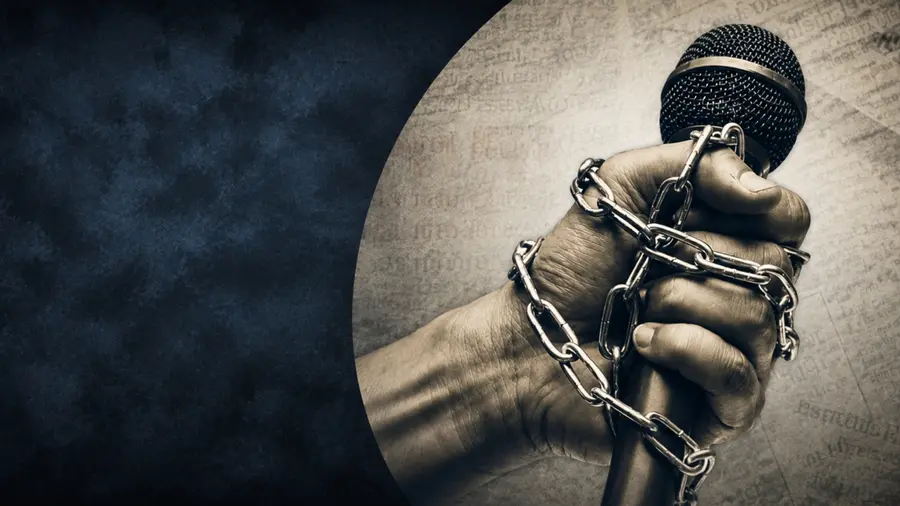
Image used for representation
New Delhi: Government directions to block online content surged sharply in India, with nearly 1.95 lakh blocking orders issued to Instagram, Facebook and YouTube between March and July 2026, according to a report by The Indian Express. The figure translates to roughly 1,275 orders a day, or one every 68 seconds.
As reported by The Indian Express, a considerable share of the orders were issued as student protests over examination irregularities gathered momentum, particularly on Instagram. The protests at Delhi's Jantar Mantar began in June and continued until July 25.
The scale marks a dramatic rise from the previous year. RTI records obtained by them showed that 2,312 blocking orders were sent to 19 platforms through the Home Ministry's Sahyog portal between October 2024 and October 2025 — an average of six a day.
Instagram received nearly one lakh of the latest orders, Facebook around 80,000 and YouTube nearly 15,000. Meta-owned Instagram and Facebook together accounted for about 90 per cent of the directions.
The orders can cover hundreds of individual posts or accounts. Meanwhile, the Home Ministry's 2024-25 annual report recorded more than 1.11 lakh pieces of “suspicious online content” blocked under Section 79(3)(b) of the IT Act.
The surge has raised concerns over the Modi government's expanding control over digital speech. Users and independent media outlets have reported restrictions on protest-related content, criticism of government policies and politically sensitive stories. Alt News has previously reported that several independent and national media outlets like Maktoob Media, Scroll.in, The Hindu and political content creators had faced censorship as their news contents were restricted in India by various social media platforms.
Meta has also integrated its API with Sahyog, allowing government-flagged content to be automatically restricted without separate human review. Digital rights activists have warned that such automation could remove important safeguards and make it difficult to establish whether an order is lawful.
The Centre has simultaneously shortened the takedown deadline for certain unlawful content from 24-36 hours to as little as two-three hours, increasing pressure on platforms to comply rapidly.
Kerala has also witnessed a significant instance involving the restriction of media content. Meta disabled the Instagram account of Malayalam daily Deshabhimani on February 1, 2026, the day the Union Budget was presented. Deshabhimani's Instagram account regularly carried news and cards criticising BJP-RSS policies, the Union government's policies affecting ordinary people and what it described as the Centre's neglect of Keralam. Meta's action, therefore, raised concerns over whether critical journalism was being disproportionately affected. Keralam has witnessed similar concerns.
The account of Malayalam digital outlet No Cap was also disabled around the same period. National news platform The Wire was temporarily blocked in India for about two hours on February 9, while a satirical video remained restricted. DIGIPUB News India subsequently called for greater transparency over the restrictions affecting news organisations and independent media.
The issue is not whether unlawful content should be regulated, but whether the process is transparent and accountable. With government orders rising exponentially and automated takedowns expanding, critics fear that legitimate journalism and political dissent could increasingly be caught in the same censorship machinery.
The central question now is whether India's digital regulation can protect citizens from harmful content without giving governments an unchecked ability to silence criticism.



Related News
Dont Miss it




0 comments