
Centre Shifts Responsibility for LPG Shortage to Oil Companies; Orders Oil Firms to Boost Production Despite Storage Gaps
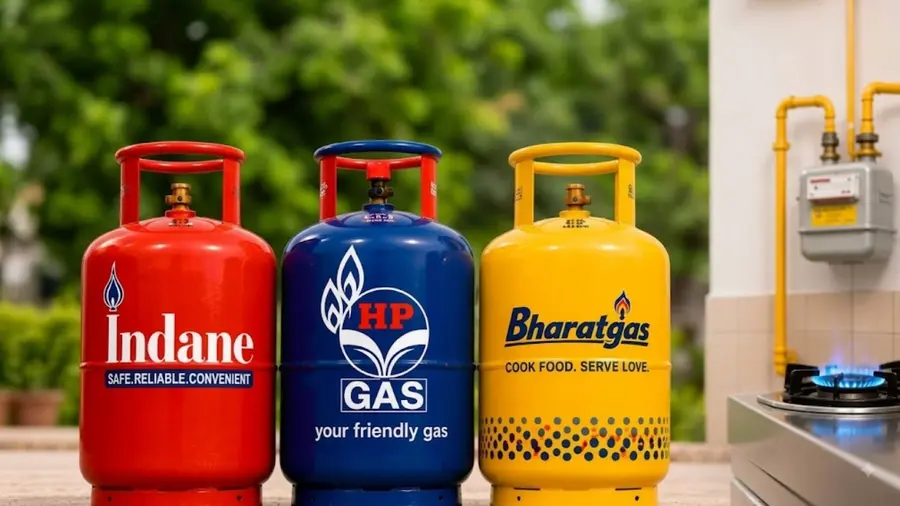
Image used for representation
New Delhi: With the conflict in West Asia showing no signs of easing, the Central government has placed the responsibility for the country’s LPG shortage on oil companies. The government has directed public and private sector oil companies to produce 63,810 tonnes of LPG per day until December. The directive comes despite the lack of adequate storage facilities in the country to store the additional cooking gas that would be produced.
LPG imports into India had come to a halt after the Strait of Hormuz was closed. The worsening cooking gas shortage in the country is largely attributed to the Central government’s failure to anticipate the crisis or put alternative arrangements in place. With fears that LPG imports could continue to face disruptions if peace is not restored in West Asia, the Centre has now directed companies to increase domestic production.
The government issued the new notification by amending the Petroleum Products Act, 1999. This is the first time the government has fixed production targets for oil refineries. The new target accounts for nearly 70 per cent of the country’s total daily LPG consumption.
India requires 33.2 million tonnes of LPG annually, or around 91,000 tonnes per day. However, domestic production stands at only 13.1 million tonnes. This means that 64 per cent of the country’s LPG requirement depends on imports. The current crisis has been largely attributed to the Centre’s major failure to establish adequate storage facilities in a country that is heavily dependent on imports.
The Centre has issued the emergency directive to 24 companies in the public and private sectors. Along with increasing production, the oil companies have also been asked to urgently expand storage capacity and distribution systems.
However, the companies currently lack the infrastructure required to store the additional LPG that would be produced under the Centre’s directive. The LPG shortage emerged in the country when supplies through the Strait of Hormuz were disrupted, partly because of inadequate storage capacity.
The new directive, issued without adequately assessing its practical feasibility, will also require the necessary infrastructure to be established before it can be implemented effectively.
Tags



Related News
Dont Miss it










0 comments