

CBFC Censors Phule Amid Pressure from Right-Wing Groups Over Caste Depictions
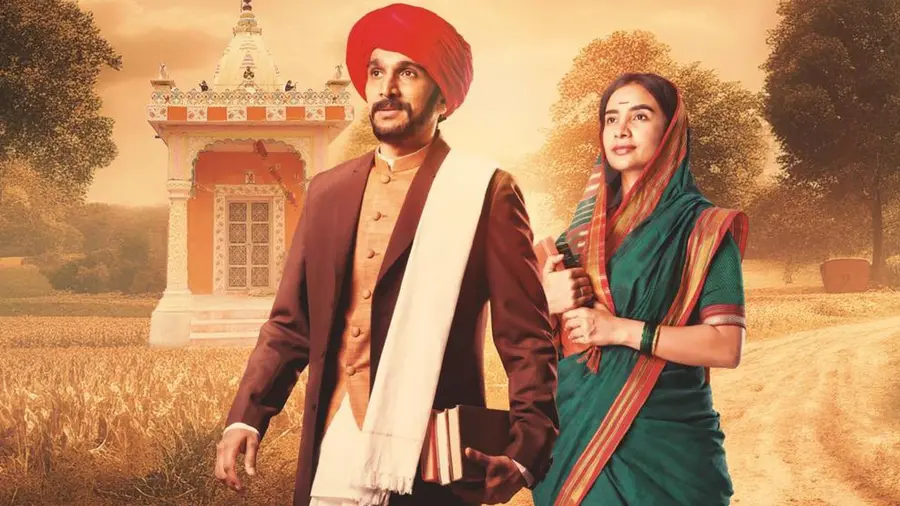
Phule Movie Poster Credit: IMDB

Web desk
Published on Apr 13, 2025, 12:33 PM | 3 min read
The BJP’s interference in freedom of expression has reached a new low. After the Sangh Parivaar objected to the depiction of the Gujarat pogrom in the Malayalam film Empuraan, forcing the filmmakers to make voluntary cuts, a similar situation is now unfolding with the Hindi film Phule. The film, which portrays the lives of pioneering social reformers Jyotirao and Savitribai Phule, has come under fire from Brahmanical groups such as All Indian Brahmin Samaj and Parashuram Aarthik Vikas Mandal, who claim it depicts Brahmins in a negative light. In reality, the filmmakers have simply portrayed the historical realities of the time.
Phule stars Pratik Gandhi and Patralekha in the lead roles. It was originally slated for release on April 11, but after the protests erupted, the Central Board of Film Certification intervened and mandated significant changes to the film. As a result, the release was postponed to April 25. Director Anant Mahadevan defended the film, stating that it presents nothing but the truth. He emphasized that the script was based on extensive research, with no historical distortions.
Jyotirao and Savitribai Phule were trailblazers in the fight against caste discrimination and gender inequality in 19th-century India. Jyotirao founded schools for girls and marginalized communities, established the Satyashodhak Samaj to promote social equality, and openly challenged the caste system and religious orthodoxy. Savitribai became India’s first female teacher and was instrumental in advancing women’s education, supporting widows, and working to end practices like child marriage. Their work laid the foundation for a more inclusive and just society, and their legacy continues to inspire social reform in modern India.
Despite its noble intent, the film faced heavy censorship. The CBFC demanded the removal of caste -related terms such as "Mahar,' "Mang,' "Peshwai,' and references to the "Manu system of caste.' Certain visuals were altered, including a scene showing a Dalit man carrying a broom, which was replaced with children throwing cow dung balls at Savitribai. Dialogues were also modified to soften references to caste oppression.
The word "caste" has also been replaced with "varna," referring to a societal division based on people's occupations—an idea explicitly endorsed in the Manusmriti. However, even occupational roles were deeply rooted in the rigid caste hierarchy.
This move represents a blatant disregard for the freedom of expression guaranteed by the Indian Constitution. The BJP’s intent is clear: to erase the harsh realities of the caste system that existed in India long before British colonisation. The Brahmanical hegemony, which exposes the darker aspects of Hindu society, challenges the carefully crafted narrative the BJP and RSS are trying to promote under the banner of Hindutva. Despite their efforts to present a positive image, these historical truths stand as a powerful counter to their propaganda.



Related News
Dont Miss it








0 comments