
Giving Children ‘Clinical Trial’ Drugs a Serious Lapse; Not Against Generic Medicines, Says Opposition Leader
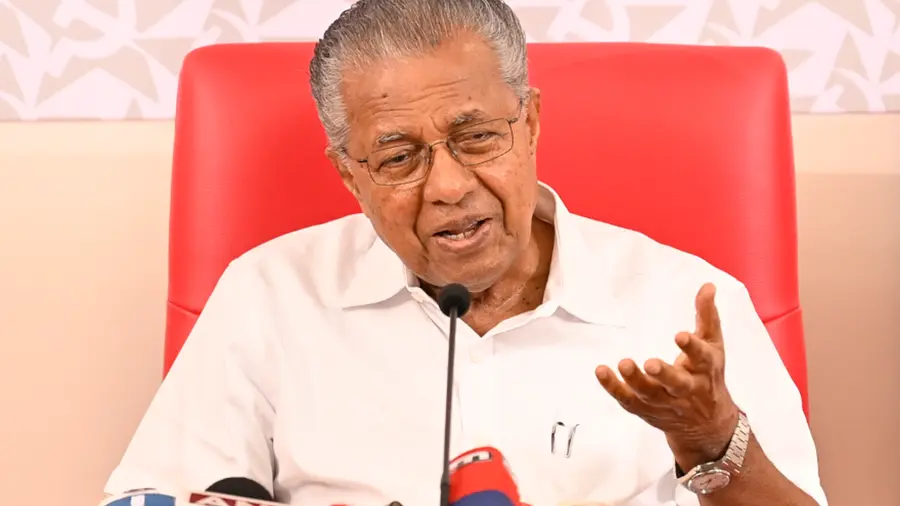
Thiruvananthapuram: Opposition leader Pinarayi Vijayan has accused the government of serious lapses and a lack of transparency in supplying medicines labelled for clinical trials to children with spinal muscular atrophy (SMA) at Thiruvananthapuram’s SAT Hospital.
He said the government had neither adequately acknowledged the seriousness of the issue nor taken steps to address the concerns of patients, their families and the public. Instead, Health Minister K Muraleedharan had attempted to divert attention by portraying the criticism as a campaign against generic medicines, Pinarayi Vijayan alleged.
The Opposition’s position, he said, was that generic medicines were essential to prevent monopolies and exploitation by large pharmaceutical companies. He added that the CPI(M) had a clearer and more established position on patents and generic medicines than the minister, the Congress and the UDF.
The CPI(M) had played a decisive role in the 2005 amendment to India’s patent law, the Novartis case and efforts to make life-saving medicines accessible to ordinary people, he said. Following strong intervention by the Left, Section 3(d), which prevents the practice of “evergreening” patents, was incorporated into Indian patent law.
When Novartis sought a patent for its blood cancer drug Glivec, the matter reached the courts, and the Supreme Court upheld the validity of Section 3(d) in 2013. Pinarayi described the ruling, which prioritised patients’ rights over corporate profits, as a landmark achievement in protecting India’s generic pharmaceutical industry. The party’s position, he said, was that medicine was not a commodity for commercial exploitation but a basic human right.
He said Left leaders had raised concerns about serious lapses by the government and demanded an investigation into whether the required safety standards and drug procurement procedures had been followed.
According to information that has emerged, government approval to procure the medicine was granted in July 2026. The government must clarify whether the prescribed procedures for procuring a new medicine were followed before that approval was issued, he said. Reports also indicate that a short tender was hurriedly issued in September and a purchase order placed with Natco Pharma.
A comprehensive investigation into irregularities in the distribution of the medicine and the minister’s interventions is needed to ensure the children’s continued treatment and safety, Pinarayi said.
Even if the explanation that clinical trials were not required in India were accepted, he questioned why the government system had distributed medicine explicitly labelled “For Clinical Trials Only”.
“If clinical trials were not required here, then for which country and for what purpose was such a trial intended? How was medicine clearly marked ‘For Clinical Trials Only’ distributed? Was this a shortcut to conduct experiments on patients here? Why were patients and their parents not informed about the circumstances under which medicine explicitly labelled for clinical trials was being administered? How did such medicine enter the government system? Were the prescribed procedures followed?” he asked, listing the questions that remained unanswered.
Pinarayi Vijayan said the government had an obligation to disclose all actions taken so far in the matter to the public. The younger generation must not be turned into experimental subjects, knowingly or unknowingly, he said, urging the government to treat the issue with the seriousness it demands.



Related News
Dont Miss it









0 comments