
Minister Veena George Urges Caution to Prevent Bird Flu Transmission to Humans
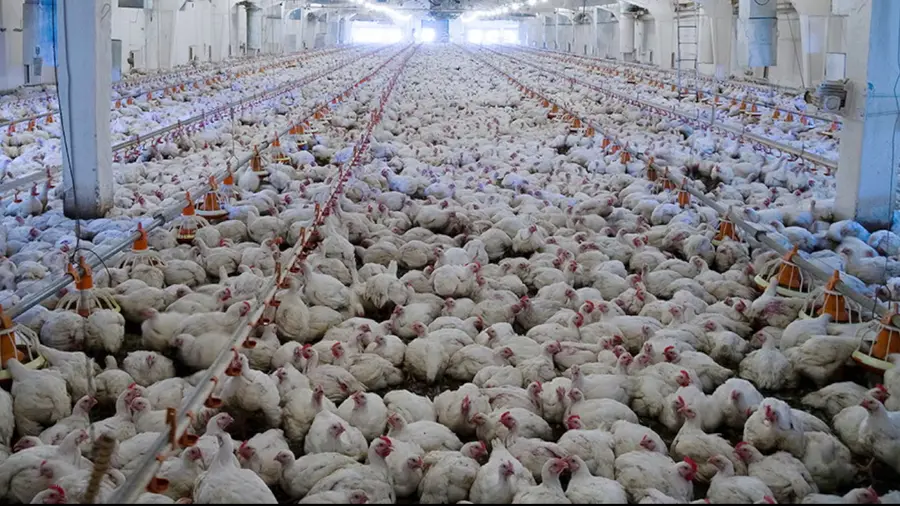
Thiruvananthapuram: In light of reports of bird flu (H5N1) in certain areas of Kottayam and Alappuzha districts, a state -level Rapid Response Team (RRT) meeting, led by Health Minister Veena George, convened to assess the situation. The minister stated that, although bird flu has not affected humans in Kerala so far, precautions are necessary. Vigilance at the field level is essential, and everyone must adhere to the guidelines issued by the Health Department.
The Health Department has issued special guidelines (SOPs) and technical instructions regarding bird flu in the state. The minister directed that social awareness be strengthened and preventive measures taken in Alappuzha and Kottayam districts under the leadership of trained One Health Community Volunteers where bird flu has been reported.
District- level control rooms have been established to coordinate operations. Instructions have been given to ensure the availability of medicines and safety materials, including PPE kits. The Health Department is closely monitoring people in affected areas for fever and other symptoms. Individuals presenting with severe body pain, fever, cough, or difficulty breathing will be specially observed.
Any unusual deaths among birds should be reported to the Animal Husbandry Department. While bird flu has been confirmed in animals in other countries, no such cases have been reported in Kerala. Therefore, sudden deaths among mammals should also be reported. Dead or infected birds should not be handled, and only properly cooked meat and eggs should be consumed.
People handling raw poultry, droppings, or manure are at higher risk and should use safety measures such as masks and gloves. Those handling raw meat as part of their work must wear masks and should never consume raw meat.
Bird Flu – Health Department Guidelines
Bird flu, or avian influenza, is a viral disease that affects birds and can potentially spread to humans. It can infect chickens, ducks, wild birds, geese, and turkeys. Although the disease has not been detected in humans in Kerala, those in close contact with infected birds, caretakers, or poultry handlers must exercise full caution to prevent infection.
Symptoms in Birds
Increased feather loss, thin or weak eggs, reduced egg-laying, lethargy, reluctance to eat, bluish discoloration of combs and wattles, diarrhea, fluid accumulation in eyes and head, bloody nasal discharge, breathing difficulties, trouble standing or walking, pinpoint bleeding on the body, and laboured breathing.
Preventive Measures for Humans
People handling suspected infected birds should wear gloves and masks and wash hands thoroughly and frequently with soap and water. In case of fever, report to health workers and seek specialised treatment. Dead birds, their eggs, or droppings should be deeply buried or incinerated. Meat from healthy birds can be thoroughly cooked before consumption, and eggs should be boiled. Half-cooked eggs should be avoided.
Tags



Related News
Dont Miss it










0 comments