
US-Iran Ceasefire Extension Uncertain After White House Talks Convened by Trump Ends Without a Decision
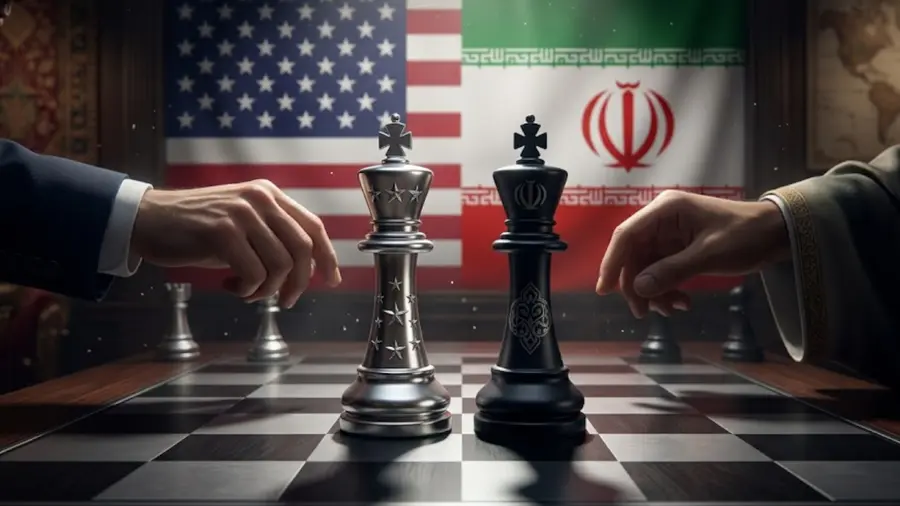
Image used for representation
Washington DC: Efforts to extend the ceasefire between the United States and Iran remain uncertain after a high-level meeting convened by US President Donald Trump ended without a final decision. The meeting was held on Friday in the White House 'Situation Room', the facility used to manage major national security crises.
According to reports, discussions failed to produce a clear consensus, casting fresh doubt over ongoing diplomatic efforts to secure a longer-term truce in the region.
During the meeting, Trump reportedly insisted that Iran provide guarantees that it would never develop nuclear weapons and restore unrestricted international shipping through the Strait of Hormuz. He also demanded the removal of naval mines placed in the waterway and called for Iran to surrender its stockpile of enriched uranium to the United States.
Iran, however, has maintained that its nuclear program is not open for negotiation. Tehran has repeatedly rejected any proposal that would require it to halt or dismantle its nuclear activities as a condition for broader talks.
US officials had earlier indicated that both countries had agreed in principle on Thursday to a memorandum extending the ceasefire for 60 days while allowing further negotiations to continue. However, Iran’s state-affiliated Fars News Agency reported that the document contained no provisions regarding the destruction of nuclear materials.
Iranian officials also criticised Trump’s recent remarks, describing them as a mixture of facts and misinformation. Foreign Ministry spokesperson Esmail Baghaei said Tehran’s primary focus remains ending the conflict and restoring stability, while stressing that the nuclear issue is not part of the current ceasefire discussions.
The latest crisis escalated after the United States and Israel reportedly launched strikes against Iran on February 28. Iran responded with retaliatory actions targeting Israel and Gulf states who are allies of US and imposed restrictions on shipping through the Strait of Hormuz, a vital route for global energy supplies. The confrontation contributed to a sharp rise in international oil prices.
Although a temporary ceasefire has been in effect since April 8, both sides have so far been unable to reach a comprehensive and permanent agreement, leaving the future of the truce uncertain.



Related News
Dont Miss it










0 comments