
Gut Imbalance May Erode Memory, Indo-German Study Finds
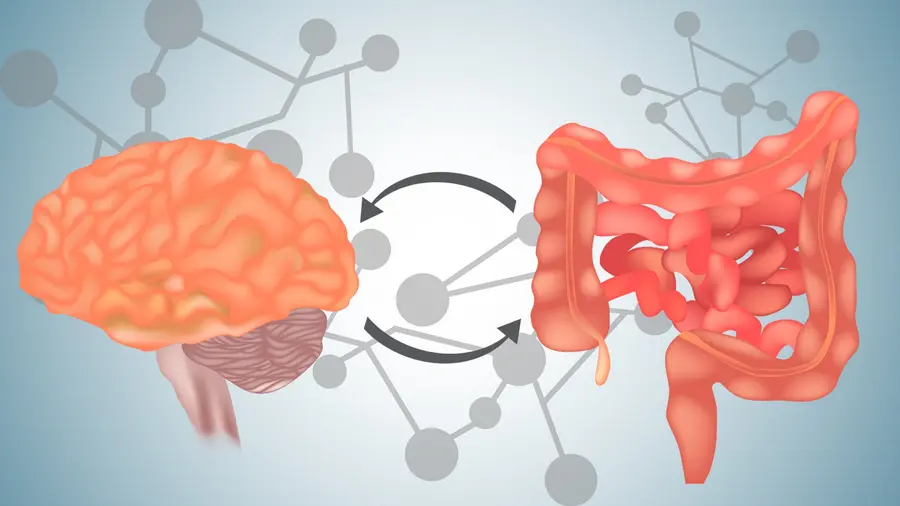
Kochi: An Indo-German research team has identified a biological pathway explaining how disturbances in gut bacteria can lead to impaired memory, learning difficulties and broader cognitive decline, the Cochin University of Science and Technology (CUSAT) said on Thursday.
The findings, published in the latest issue of the open-access journal BMC Biology, show that disruption of the gut microbiome—often caused by prolonged antibiotic use or poor dietary habits—triggers widespread inflammation that eventually affects neural circuits responsible for memory formation and cognitive functions.
The study was carried out under a joint programme supported by India’s Department of Science and Technology (DST) and the German Academic Exchange Service (DAAD). The research team was led by Dr. Baby Chakrapani P. S. of the Centre of Excellence in Neurodegeneration and Brain Health (CENABH) and the Centre for Neuroscience, Department of Biotechnology at CUSAT, along with Prof. Martin Korte of the Technical University of Braunschweig and the Helmholtz Centre for Infection Research (HZI). The work formed part of researcher Krishnapriya’s doctoral studies under Chakrapani’s supervision.
CUSAT explained that the research team studied how antibiotic-induced gut dysbiosis—an imbalance in the gut’s microbial population—affects biological processes far beyond the intestine. The study found that such microbial disturbances set off inflammatory and oxidative responses that weaken the gut barrier and send biochemical signals to the brain, altering its immune environment.
“Gut dysbiosis initiates a systemic inflammatory state that does not remain confined to the gut. These inflammatory cues eventually influence the brain’s own immune cells,” Dr. Baby Chakrapani said.
A key part of the study focused on microglia—the brain’s resident immune cells, which protect neural function by clearing waste and pruning weak synapses. Under prolonged inflammatory stress originating from the gut, the microglia became overactive. Instead of selectively pruning weak connections, they began removing healthy neural synapses essential for memory storage and learning.
“Instead of refining synapses, they began removing critical neural connections involved in forming and storing memories. This excessive pruning led to observable difficulties in learning and memory tasks,” Martin Korte said.
Researchers noted that gut dysbiosis is increasingly common because of frequent antibiotic consumption, highly processed diets, stress and inadequate sleep—all factors that reduce gut microbial diversity. “People often think of gut health only in relation to digestion. But our results show that maintaining a healthy gut environment is also essential for cognitive well-being,” Martin Korte added.
CUSAT said the findings point to new possibilities for interventions. Supporting gut health through careful antibiotic use, targeted probiotics and balanced diets may not only protect digestion but also help preserve cognitive functions.
“We are only beginning to understand how deeply connected the gut and brain really are. This study is one step towards mapping that complex relationship,” Dr. Baby Chakrapani said.
The researchers expect future studies to examine whether restoring gut microbial balance can reverse cognitive deficits and whether similar mechanisms contribute to neurodegenerative diseases.
Tags



Related News
Dont Miss it










0 comments