

SC Sternly Reprimands Greater Noida Executive Magistrate Over Notice to Student Linked to CJP Protest
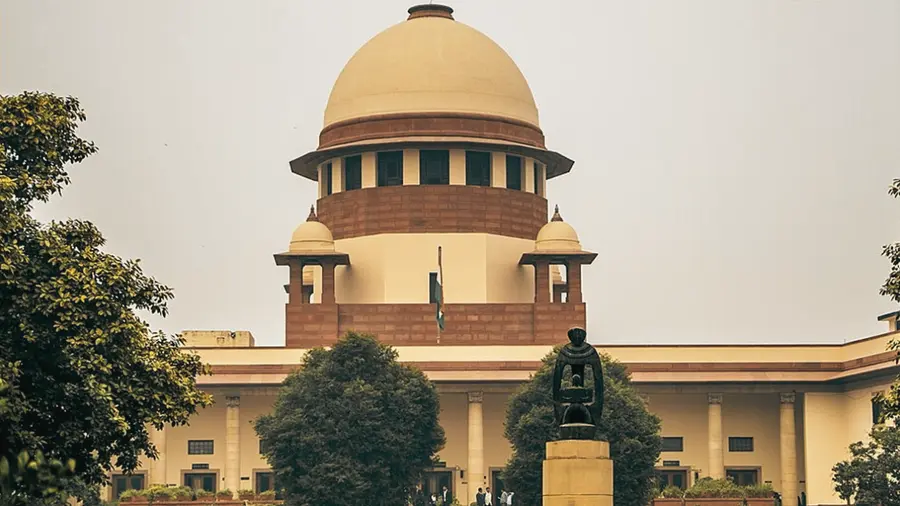
New Delhi: In a sharp judicial rebuke of administrative overreach, the Supreme Court of India strongly reprimanded a Greater Noida Executive Magistrate on Wednesday for issuing a coercive notice to a university student. The notice was served over the student's alleged involvement in campaigning for demonstrations organized by the Cockroach Janata Party (CJP), despite explicit judicial orders forbidding coercive action against student protesters.
The bench, led by Chief Justice of India Surya Kant alongside Justices Joymalya Bagchi and V Mohana, expressed deep outrage at the violation of its directives. The Chief Justice questioned how any executive magistrate could dare to act in defiance of the court's earlier order, which had clearly mandated complete protection for student demonstrators. Reaffirming that no authority holds the power to disregard binding judicial mandates, the bench agreed to seek a formal explanation from the district administration once the notice is formally submitted to the record.
The controversy centers on Akshat Tripathi, a 20-year-old second-year law student at Gautam Buddha University in Greater Noida. Acting on a report from local police, the magistrate issued a show-cause notice under Section 130 of the Bharatiya Nagarik Suraksha Sanhita (BNSS). The order accused Tripathi of spreading misleading, anti-government statements on campus and instigating peers to join CJP-led rallies. To ensure he preserved public peace, authorities demanded that he execute a personal bond of ₹5 lakh along with two solvent sureties of an equal amount.
Appearing for the student, Senior Advocate Bishwajit Bhattacharyya argued that the administrative measure represented a deliberate attempt to create a fear psychosis among young citizens across the country. Although regional media reports and local police confirmed that the notice was quietly cancelled shortly after issuance—following an internal finding that the underlying police assertions were baseless—Bhattacharyya emphasized that generating such notices in the face of existing Supreme Court protection constituted a prima facie case of contempt.
Tripathi maintained his innocence throughout, noting that he was away in his hometown on semester break during the period he was alleged to have been inciting peers on campus. Following the oral submissions, the Supreme Court directed counsel to file a formal petition, signaling its intention to hold the responsible district officials strictly accountable.



Related News
Dont Miss it










0 comments