
Erasing the Past: NCERT Drops Razia and Nur Jahan from Curriculum

Web desk
Published on Jul 19, 2025, 03:58 PM | 3 min read
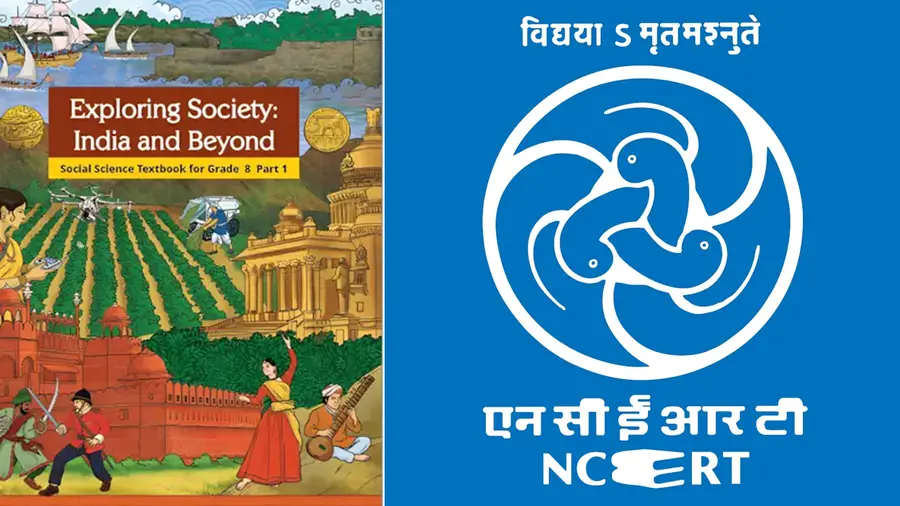
New Delhi: Key figures from Indian history, including Razia Sultana and Nur Jahan, have been removed from NCERT's newly released Class 8 Social Science textbook, continuing a deliberate effort to erase parts of the country's diverse past. The changes, made quietly under the cover of the National Education Policy (NEP), reflect a larger plan to hide real history and replace it with a selectively constructed version.
Razia Sultana, the first and only woman to rule Delhi, and Nur Jahan, a powerful political figure during the Mughal era, were both included in earlier editions of the Class 7 history textbook Our Pasts – II. That textbook featured two detailed chapters on the Delhi Sultanate and the Mughal Empire. These chapters, along with references to these influential women, have now been entirely removed. The content has been shifted to Class 8, but their names and stories have been erased.
The new Class 8 textbook omits any mention of Razia Sultana in its chapter on the Delhi Sultanate. There is no reference to any woman ruler. Similarly, Nur Jahan's name, once cited for her administrative strength and influence, has been scrubbed out. The Delhi Sultanate is now described solely as a time of political instability, looting, and the destruction of temples and learning centres.
The portrayal of the Mughal period has also been fundamentally altered. Akbar is no longer remembered for his administrative reforms or religious inclusiveness, but instead is described as a ruler who carried out mass killings. Aurangzeb is characterised primarily as someone who destroyed temples and gurdwaras. A note within the chapter calls this a "dark era" in Indian history and adds, "no one should be held responsible today for events of the past."
In contrast, Maratha ruler Shivaji is glorified as a Hindu devotee who upheld his faith while respecting others. This stark difference in portrayal shows a deliberate bias in framing rulers along religious lines, shaping a narrative that suits the current political climate.
This isn’t the first time NCERT has made such changes. In recent years, chapters on the Mughal Empire, the 2002 Gujarat riots, caste-based discrimination, and other politically sensitive topics have been removed or altered without public debate. These revisions are introduced silently, leaving teachers, students, and even state education boards in the dark.
Despite growing criticism from historians and educators, NCERT has not offered any transparent explanation for these omissions. The claim that the changes are part of "syllabus rationalisation" rings hollow when entire eras and figures are being deliberately erased.



Related News
Dont Miss it









0 comments