
Surge in Technical Education Sector in Kerala; Significant Rise in Student Admissions
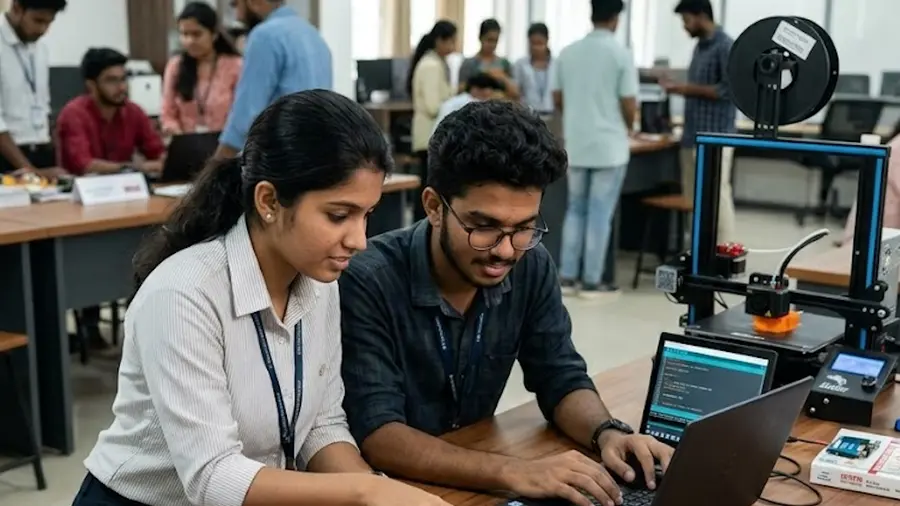
Thiruvananthapuram: Technical courses are reportedly gaining popularity in the higher education sector in Kerala. There has been a significant increase in the number of students enrolling in professional courses at various universities over the past few years. It is estimated that this progress is due to the growing confidence of students in the state’s technical education system.
This change is most evident at APJ Abdul Kalam Technological University, which has the highest number of seats in engineering-related courses in the state. The total enrolment at the university has increased from 55 percent in 2021–22 to 72 percent by 2025–26. According to official figures, total enrolment, including postgraduate programs, has risen from 30,907 to 49,110. Notably, despite the increase in approved seats to 67,974, there has been a significant decrease in the number of vacant seats. Interest in Computer Science and Engineering continues to grow among students.
Admission rates have similarly increased at other prominent universities in the state. The number of students enrolled in engineering programs at Cochin University of Science and Technology (CUSAT) has increased from 1,530 to 1,656. At University of Calicut, the number has risen from 218 to 263, and at University of Kerala, it has increased from 221 onward. This growth is also visible in diploma and polytechnic courses, apart from engineering programs. Total enrolment in polytechnic institutions has increased from 30,780 to 34,783. There has also been a significant rise in regular diploma seats and admissions through lateral entry.
Courses such as B.Arch, BHMCT, and B.Des are also witnessing better admissions compared to previous years. Among these, the number of students joining BCA courses has more than doubled, from 347 to 744. A substantial increase has also been recorded in BBA courses.
A major factor behind this progress is the curriculum reforms introduced in the education sector. To equip students according to the needs of the industrial world, the revised syllabus includes project-based learning, internships lasting up to one year, and skill development modules in collaboration with NASSCOM.
Higher Education Minister R. Bindu stated that the establishment of more than 500 Technology Business Incubators on campuses, along with the provision of targeted training and guidance to job seekers through a digital workforce management system, has paved the way for a major leap in this sector.
Tags



Related News
Dont Miss it









0 comments