

Supreme Court Sets Aside Kerala HC Order Appointing Joint Secretary as Waqf Board Administrator
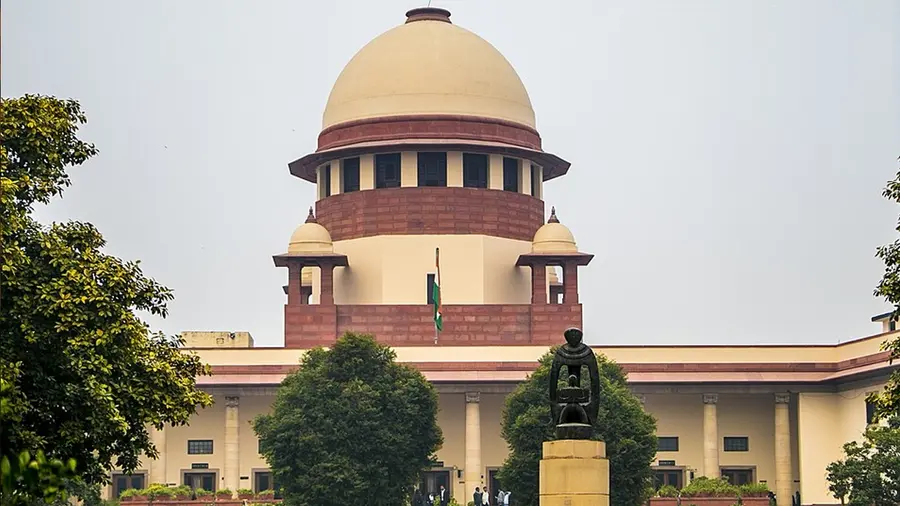
New Delhi: The Supreme Court has intervened in the ongoing Waqf Board matter by setting aside the Kerala High Court's order appointing the Joint Secretary as the Administrator of the Waqf Board.
The apex court quashed the last portion of the High Court's interim order. With this, the Waqf Board Secretary will continue only as an ex-officio member.
While the Supreme Court did not directly interfere with the High Court's decision restraining the Board from taking policy decisions, it expressed its dissatisfaction over the restriction.
The court also directed the High Court to hear the Waqf Board's submissions and consider the matter expeditiously. The direction came while hearing the Board's appeal seeking the removal of the restriction on taking policy decisions.
A bench headed by Chief Justice Surya Kant heard the petition.
In its appeal, the Waqf Board argued that the High Court had failed to consider the relevant facts and the circumstances surrounding the Board.
The Board further contended that the High Court's interim order was contrary to Section 22 of the Waqf Act. It argued that the failure to appoint non-Muslim members cannot be a ground to restrict the functioning of the Board. It also maintained that the Board cannot be invalidated merely because vacancies have not been filled, and even if there are defects in its constitution, its functioning cannot be halted.
The appeal also stated that the High Court has no authority under Section 99 of the Waqf Act to restrain the functioning of the Board, and that such action is permissible only in cases where financial irregularities or similar violations are established.
The Waqf Board, through advocate Subhash Chandran, also submitted before the Supreme Court that the High Court had passed the interim order without hearing the Board. It argued that the government had failed to establish the existence of any extraordinary circumstances warranting such an order and that the interim direction would adversely affect the future functioning of the Board.



Related News
Dont Miss it









0 comments