
Kerala
Brinda Karat Urges Kerala to Lead in Defending Secularism and Cultural Pluralism

Web desk
Published on Aug 09, 2025, 04:18 PM | 3 min read
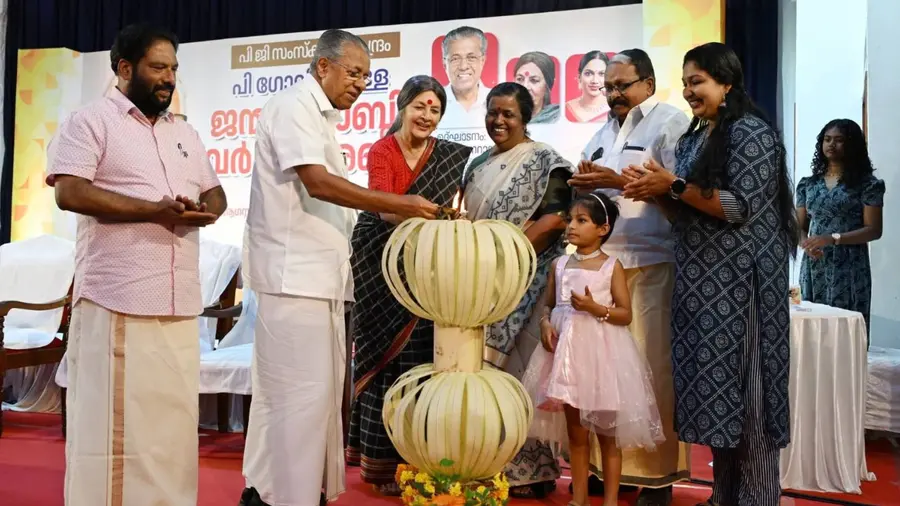
Thruvananthapuram: At an event honouring the 100th birth anniversary of veteran Marxist thinker P. Govinda Pillai, senior CPI(M) leader Brinda Karat made a strong appeal for Kerala to take the lead in protecting India's diverse and inclusive cultural fabric.
Speaking at the event titled ‘Cultural Politics in Contemporary India’, Brinda stressed that India’s pluralistic identity is under threat—from both aggressive neoliberalism and right-wing forces. She pointed out that Kerala, with its rich history of cultural unity amidst diversity, must stand as a beacon for the rest of the country.
“The very idea of equality and secularism is being challenged. Kerala, with its long legacy of struggles for justice, must set an example,” she said.
Brinda strongly criticised neoliberalism for reducing citizens to consumers, arguing that this economic ideology has stripped many of their rights and dignity.
“If I am a consumer, I am visible. If I am poor, a migrant worker, or from the labouring classes, my identity is erased,” she said. “This aspect of neoliberalism, promoting individualism and greed, masquerades as 'aspirational India’. But in a deeply unequal society, aspiration without justice only leads to frustration and social decay.”
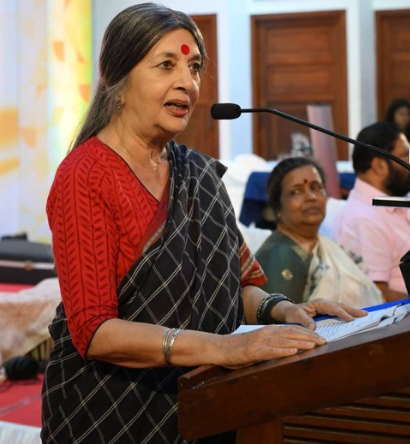
She also accused the Rashtriya Swayamsevak Sangh (RSS) of promoting a monolithic view of Indian culture by tying identity to a singular religious narrative. Brinda said the RSS-backed cultural nationalism seeks to suppress India’s pluralistic traditions and redefines Hinduism through selective religious texts.
“Why is there silence on verses in the Manusmriti that promote caste and patriarchy?” she asked. “Those in power want to bulldoze the diversity of beliefs into a homogeneous cultural model that suits their political agenda.”
Brinda recalled her recent meeting with two Christian nuns from Kerala who were jailed in BJP-ruled Chhattisgarh after being attacked by Bajrang Dal members. One of them, Sister Preeti Mary, had been working with leprosy-affected communities before being targeted for her faith.
“She wept not over the attack or the imprisonment, but because they called her a ‘termite’,” Brinda added, referring to the derogatory term previously used by a Union Minister to describe minorities. “This kind of language is not accidental. It is part of a culture of dehumanisation, of creating hate-based identities.”
Brinda Karat concluded her address with a strong call to action, urging people across the country to resist efforts to rewrite India’s cultural and historical identity.
“We must confront these ideologies boldly, not just to preserve the past, but to build a just and equal future,” she said.
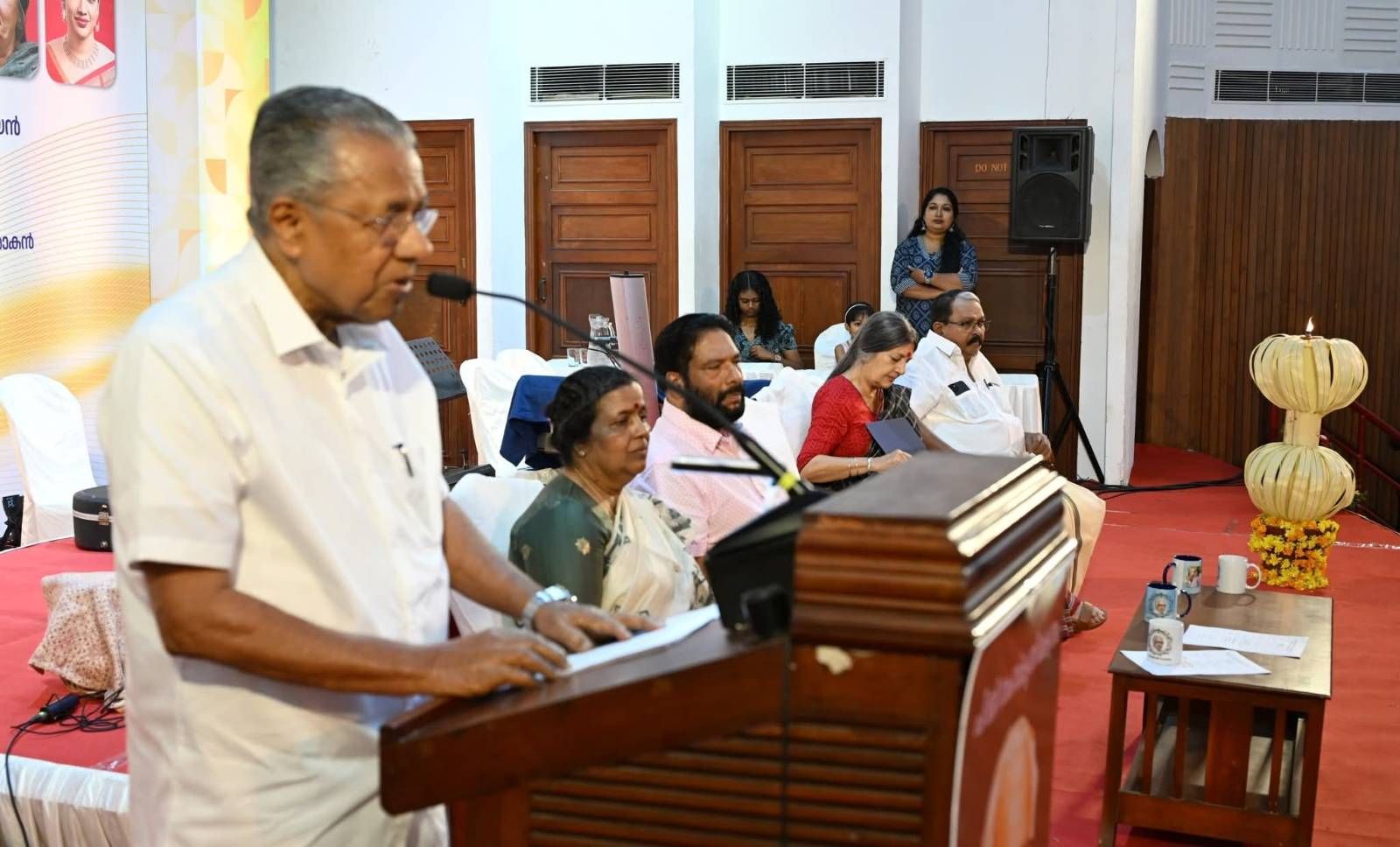 Inaugurating the centenary celebrations, Chief Minister Pinarayi Vijayan paid tribute to P. Govinda Pillai’s legacy as an intellectual, politician, editor, and cultural thinker. Vijayan described him as an “organic intellectual” who remained committed to Marxist principles even during difficult phases within the party.
“PG's contributions touched every area—from politics to literature, from journalism to cinema,” the Chief Minister said. “As the Sangh Parivar intensifies its attacks on secularism and attempts to rewrite history, we must carry forward the legacy of PG.”
To honour Pillai’s life and work, the State government has allocated land in Mettukada, Thiruvananthapuram, to establish the PG Study and Research Centre. The centre will have a public library with his personal collection of over 25,000 books.



Related News
Dont Miss it








0 comments