
Trump Signs Order Setting New Tariffs on Polysilicon Products
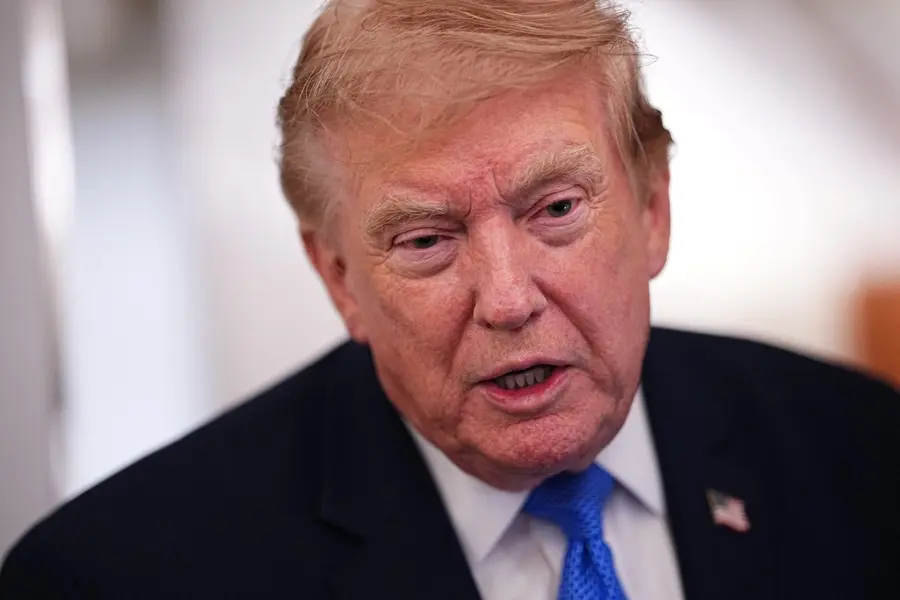
US President Donald Trump speaking to reporters aboard airforce one. (Photo | AFP)
Washington DC: Following the footsteps of his infamous tariffs, US President Donald Trump signed an order Thursday introducing new tariffs and minimum pricing rules for polysilicon, a material central to producing both solar panels and semiconductors, in a bid to strengthen America's foothold in the industry. The order sets a 15 percent tariff on polysilicon-based products starting December 4, alongside minimum import prices applicable to the raw material and related goods such as solar cells and wafers, effective the same day. According to reports, the measures are intended to give domestic manufacturers a fairer competitive position and draw related manufacturing back to US shores. The document also highlighted polysilicon's significance to the semiconductor sector, particularly for defense-related applications. The order was issued following a year-long Commerce Department investigation into polysilicon imports. Commerce Secretary Howard Lutnick called the material a cornerstone input for chip manufacturing, telling reporters at the White House that the administration's objective was to bring not just production, but the entire supply chain, back to American soil. He said the pricing floors were meant to prevent Chinese producers from undercutting the market through dumping, while the tariffs would push companies toward domestic manufacturing. America's share of global polysilicon production capacity plunged from about 50 percent in 2005 to less than 2 percent in 2024. The Commerce Department's investigation began in July 2025 under Section 232 of the Trade Expansion Act of 1962 — a provision Trump has invoked before to impose tariffs on steel, aluminum, automobiles and other sectors. Although the probe didn't identify specific countries, China holds a dominant position in the global solar supply chain. This latest action continues a pattern of trade measures under Trump since he returned to office, having already introduced broad tariffs affecting numerous countries. Although the Supreme Court invalidated a large share of these tariffs in February, sector-specific tariffs tied to Section 232 investigations have remained in place. Just last month, Trump relied on separate legal grounds to impose new tariffs on 60 trading partners, effectively restoring much of his tariff framework after the court's decision.



Related News
Dont Miss it










0 comments