
Six Months of the Iran-US War: How Trump’s Gamble Reshaped the Global Economy, Geopolitics and US Politics
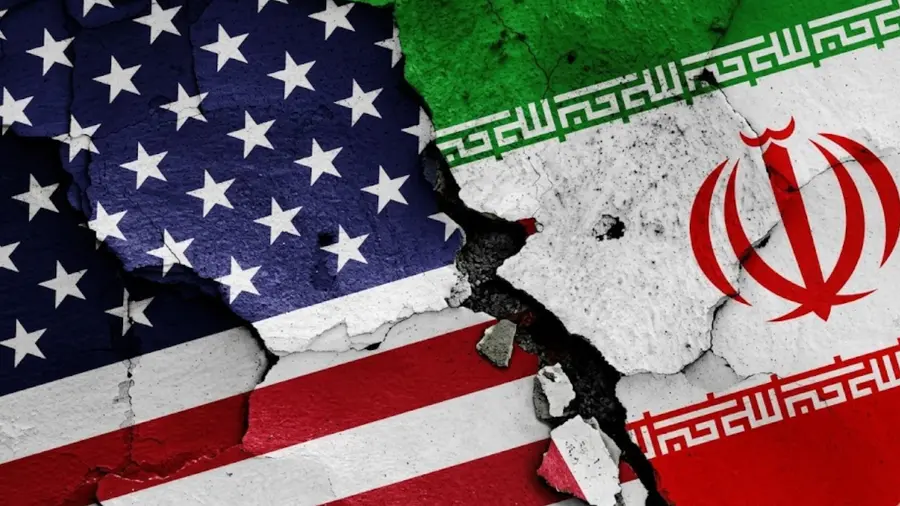
Washington/Tehran: Six months after US President Donald Trump launched the war against Iran alongside Israel on February 28, the conflict has evolved far beyond the short military campaign his administration initially appeared to envisage.
What was presented as a forceful attempt to destroy Iran’s nuclear and missile capabilities has turned into a prolonged strategic confrontation. Large-scale fighting has ebbed and flowed, the Strait of Hormuz has emerged as a critical pressure point, sanctions and economic warfare have intensified, and diplomatic efforts have repeatedly failed to deliver a lasting settlement.
The consequences extend well beyond Iran and Israel. The war has exposed the limits of military power in delivering political outcomes, disrupted global energy markets, altered the calculations of America’s allies and rivals and created a potentially serious political liability for Trump as the United States heads towards the November midterm elections.
A war that refused to end
When Trump launched the war with Israel six months ago, he suggested that the conflict could be resolved within weeks. Instead, the US remains deeply engaged, Iran retains the ability to threaten American interests and regional allies, and Washington continues to search for a viable exit strategy.
The conflict has also come at a considerable human and military cost for the United States. Eighteen US service members have been killed and more than 750 wounded, while American forces have lost aircraft and drones. A Congressional Research Service assessment cited by Reuters said 42 US military aircraft had been lost during the conflict.
Iran, too, has suffered enormous damage. Its military infrastructure and economy have taken severe blows. Yet the central political objective of the campaign — compelling Tehran to surrender or accept a settlement favourable to Washington — remains elusive.
US and Israeli strikes may have significantly damaged Iran’s nuclear infrastructure, but destroying facilities does not necessarily eliminate the knowledge, expertise or capability required to rebuild them. With international access to some sites reduced, uncertainty over Iran’s remaining nuclear material and capabilities has also increased.
The result is an uncomfortable reality for Washington as the military action may have delayed Iran’s nuclear ambitions, but it has not provided certainty over what comes next.
The Strait of Hormuz became the war’s economic battlefield
The conflict’s most immediate global economic impact has been felt around the Strait of Hormuz, one of the world’s most important energy chokepoints. Roughly one-fifth of global oil and natural gas supplies normally pass through the waterway.
The initial market shock was severe. Brent crude, which was trading at around $72 a barrel before the conflict, climbed above $120 at the height of the crisis. The disruption also affected natural gas, shipping and refined petroleum products.
But the consequences have gone far beyond crude prices.
Shipping routes have been disrupted, insurance costs have risen and aviation and manufacturing have faced higher energy and transportation costs. Fertiliser markets have also been exposed because the Gulf region is a major source of ammonia, urea and sulphur.
For import-dependent Asian economies, such disruptions can eventually translate into higher food prices and greater pressure on agricultural production.
That is perhaps the larger economic lesson of the war. A conflict around a single maritime chokepoint can transmit inflation across an interconnected global economy — from fuel and transport to fertilisers, food, manufacturing and household expenses.
The Gulf is no longer simply America’s security backyard
The war has also forced Gulf countries to reassess their strategic calculations.
Saudi Arabia, the UAE, Qatar, Bahrain and Kuwait remain dependent on American security guarantees, but the conflict has demonstrated the vulnerability that comes with being located at the centre of a confrontation between Washington and Tehran.
The result has been a more complicated regional diplomacy.
Qatar and Oman have emerged as important intermediaries, while Gulf governments have sought to maintain communication channels with Tehran even as they continue their security partnerships with Washington.
This does not necessarily mean that America’s Gulf allies are abandoning the United States. Instead, they are increasingly hedging against the possibility that US policy itself could become a source of regional instability.
The war has therefore accelerated an existing shift in West Asia: countries are increasingly seeking multiple diplomatic and economic partnerships instead of relying exclusively on one major power.
China and Russia stand to gain strategically from this environment. The longer Washington remains consumed by another West Asian conflict, the more its attention and resources are divided.
For America’s rivals, the war provides an opportunity to portray US power as overstretched rather than unlimited.
Iran is badly hurt — but not strategically defeated
Inside Iran, the economic damage has been severe.
Iranian President Masoud Pezeshkian has said foreign trade has fallen by 35%. Oil exports have been heavily disrupted, while US sanctions and the naval blockade have added further pressure to an economy already facing significant difficulties.
Yet economic pain has not translated into political capitulation.
Instead, the conflict appears to have strengthened hard-line elements within Iran’s political and security establishment. AP has reported that Iran’s post-war leadership has consolidated around military figures and clerics prepared for a prolonged confrontation with Washington, while moderates continue to argue that negotiations are necessary to prevent further economic deterioration.
This could become one of the war’s most significant unintended consequences.
Washington entered the conflict hoping to weaken Iran’s capacity to threaten the region. But prolonged external pressure can also strengthen the domestic argument of hard-liners: that confrontation with the United States is inevitable and that compromise amounts to surrender.
Iran may have emerged considerably weaker, but it has not emerged politically compliant.
Trump’s biggest problem may now be American voters
The war is increasingly becoming a domestic political issue for Trump.
A Reuters/Ipsos poll found Trump’s approval rating at 33%, matching the lowest level of his second presidency. Support for US military action against Iran had fallen to 31%, while 83% of Americans said they expected the conflict to continue for an extended period.
The figures are particularly significant because Trump has built much of his political identity around projecting strength while criticising the prolonged wars associated with previous US administrations.
Six months into the Iran conflict, however, Americans are facing a war with no clear endpoint and rising energy costs.
Gasoline prices above $4 a gallon have become an increasingly visible concern. For voters dealing with household expenses, the connection between a distant war and the cost of filling a car is far more tangible than Washington’s arguments about strategic deterrence.
That creates a serious political challenge for Republicans heading into midterm elections in November.
The midterms could become a referendum on the war
The November midterm elections will not formally be a referendum on Trump. But because the president remains the central figure in the Republican Party, the Iran war is likely to become part of the broader verdict on Republican rule.
Republicans face the difficult task of defending narrow congressional majorities while convincing voters that Trump’s economic policies are improving their lives. The Iran conflict complicates that message.
It has also reopened divisions within the Republican Party over foreign intervention. Some Republicans continue to support maximum pressure on Tehran, while others are increasingly questioning the costs, casualties and duration of the war.
For Democrats, the political argument is straightforward.
Trump promised to avoid the kind of prolonged West Asian wars associated with earlier administrations. Yet six months after launching the campaign against Iran, American troops remain involved, the conflict has not produced a decisive political settlement and energy costs remain a concern.
The war could therefore turn the midterms into something larger than a contest over taxes, immigration and domestic policy. It could become a judgement on Trump’s central claim that American military power can deliver quick and decisive victories.
Tags



Related News
Dont Miss it








0 comments