
Last US–Russia Nuclear Arms Treaty Expires, Raising Fears of Global Arms Race
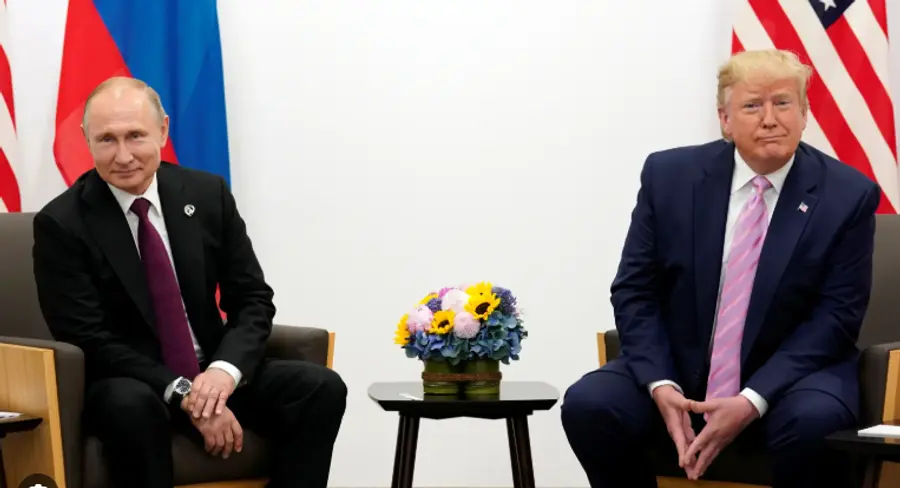
Washington DC: The New START treaty, the last remaining nuclear arms-control agreement between the United States and Russia, officially expired on Thursday, ending more than half a century of formal limits on the world’s two largest strategic arsenals and prompting fresh concerns about a renewed global arms race.
Signed in 2010 and extended once for five years, the New START pact capped each side’s deployed nuclear warheads and delivery systems and included mechanisms for mutual inspections, confidence-building and transparent reporting. The treaty’s expiration means there are no longer binding legal limits on US and Russian nuclear weapons for the first time since the Cold War era.
Both capitals acknowledged the end of the pact in official statements. The Kremlin expressed regret over the treaty’s lapse and pledged that Russia would continue to act “responsibly” on nuclear matters, even as it reserved the right to pursue military-technical measures in response to perceived threats. Meanwhile, Beijing — a non-signatory to New START — said it regretted the treaty’s end and called on the US and Russia to resume dialogue on strategic stability.
Security analysts warn that the expiration could undermine decades of arms-control efforts and destabilise a system that has helped restrain nuclear competition. With limits and verification protocols no longer in force, there are fears that both powers — and potentially other nuclear actors — may be incentivised to expand their weapons or modernise delivery systems without the checks and balances the treaty provided.
The timing of the expiration, amid persistent geopolitical strains — including the ongoing war in Ukraine and tense US–Russia relations — adds to unease in diplomatic circles. Past offers by Russia to voluntarily maintain treaty limits for another year were not taken up by the United States, in part because Washington insisted any future arrangement should involve China, a position Beijing has rejected.
Global leaders and advocates for disarmament, including religious and international figures, had appealed for the treaty to be renewed in recent days, warning that its lapse could jeopardise efforts under the Nuclear Non-Proliferation Treaty (NPT) and widen the field for nuclear competition. Even with the pact now expired, US and Russian officials have left open the possibility of future talks, though no concrete plans for a successor agreement have been announced.



Related News
Dont Miss it







0 comments