
Shashi Tharoor Defends Karnataka Bulldozer Raj
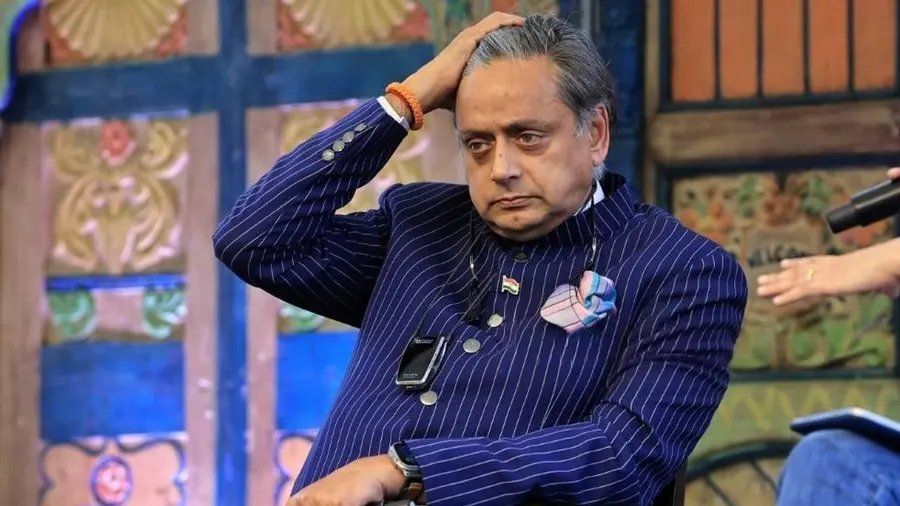
Photo Credit: AFP

Web desk
Published on Jan 02, 2026, 10:25 PM | 2 min read
Thiruvananthapuram: Shashi Tharoor MP has sparked fresh controversy by defending the bulldozer operations in Karnataka, claiming that there is no justification for saying the affected residents were poor or from minority communities. He insisted that the demolitions were carried out strictly according to the law and argued that the targeted areas were unfit for healthy habitation, making the action necessary.
His remarks have sent ripples of unease through the Kerala Congress leadership, coming in the wake of the Siddaramaiah government’s sudden demolition of nearly 500 homes in Fakir Layout and Waseem Layout. The operations, carried out without prior notice, have provoked widespread outrage. Despite promises that new houses would be delivered to evicted families by New Year’s Day, these assurances remain unfulfilled, leaving thousands of families to live amidst rubble, with no temporary shelters or rehabilitation support in sight.
The controversy is further compounded by Siddaramaiah’s own shifting stance. While he had initially pledged to provide homes to all those affected by the bulldozer drive, he later diluted this commitment, stating that assistance would be extended “only to those eligible,” effectively framing the government’s action as an act of sympathy rather than a legal or moral obligation. This gap between promise and delivery underscores the human cost behind Tharoor’s legalistic defence of the demolitions.
By framing the demolitions as purely legal and necessary for public health, Tharoor sidesteps the very real human toll. His dismissal of poverty and minority status as irrelevant ignores the entrenched socio-economic vulnerabilities of the affected residents. These were not mere illegal structures, they were homes, and their destruction has upended lives on a massive scale.
Forced evictions without notice, inadequate rehabilitation, and unkept promises represent a deeply troubling exercise of state power, disproportionately targeting marginalised communities. Tharoor’s defence risks normalising coercive state action and comes across as deeply insensitive, tone-deaf, and politically expedient, appearing to prioritise legalistic justification over human compassion.



Related News
Dont Miss it










0 comments