
57 Years Since Keezhvenmani: Dalit Labourers Martyred for Justice, Wages, and Land

Anjali Ganga
Published on Dec 25, 2025, 02:24 PM | 5 min read
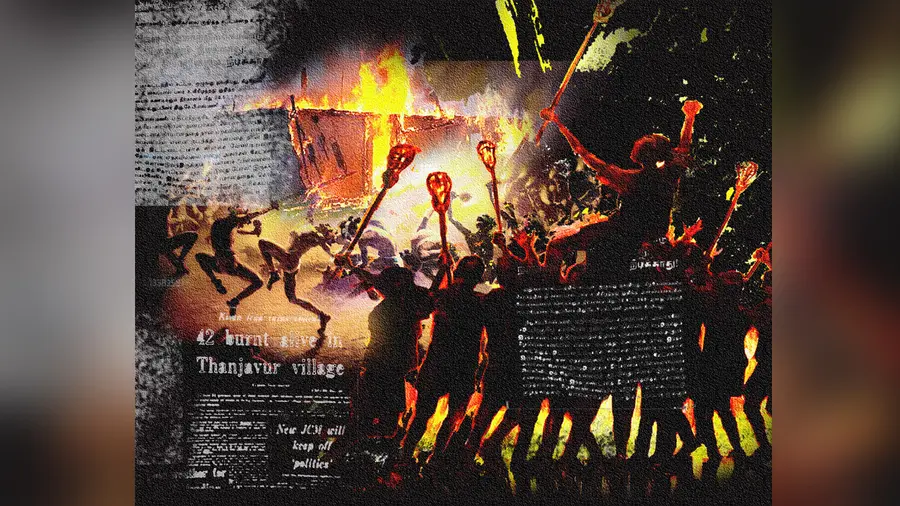
This year marks the 57th anniversary of the Keezhvenmani massacre, a tragic and defining moment in the history of Dalit and workers’ struggles in India. On the night of December 25, 1968, in Keezhvenmani village near Nagapattinam in Tamil Nadu, 44 Dalit agricultural labourers, including women and children, were brutally burnt alive. Their only 'crime' was demanding a fair increase in wages for their labour on land owned by upper-caste landlords.
The attack, carried out by armed gangs and supported indirectly by state authorities, has since become a symbol of upper-caste terror and the extreme social and economic oppression faced by landless workers in post-independence India.
The labourers, living in makeshift huts, were entirely dependent on daily wages from landlords who controlled thousands of acres of fertile land. Despite the meagre nature of their demand, an extra handful of rice weighing just 600 grams, the landlords, angered by their collective organisation, launched a violent counterattack.
Women, elderly, and children were trapped in huts set on fire. Some children who attempted to escape were dragged back into the flames. Contemporary news reports confirm that 44 people, including 20 women and 19 children, were killed in a single night. The horror of Keezhvenmani shocked Tamil Nadu and remains etched in the collective memory of the state’s oppressed communities.
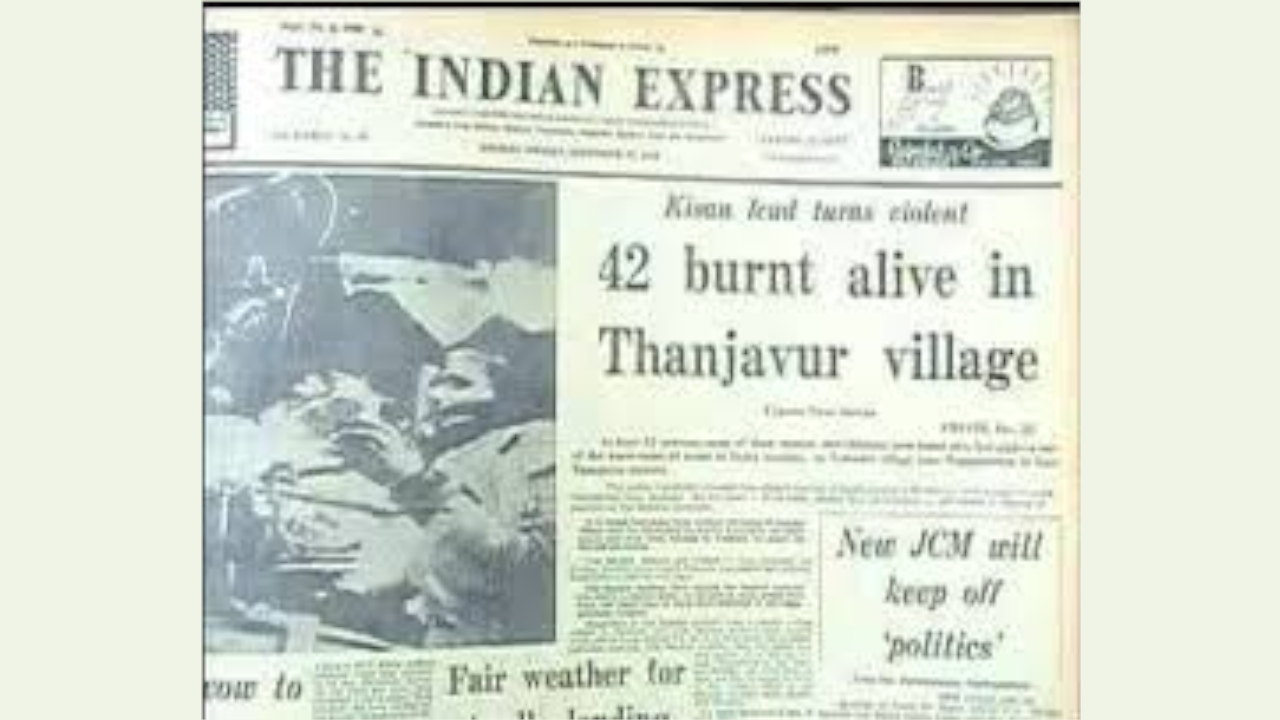 News Report on Keezhvenmani
The Workers’ Struggle and CPI M Leadership
The Keezhvenmani massacre did not occur in isolation; it was part of a broader struggle by landless Dalit agricultural workers for dignity, fair wages, and land rights. The CPI M played a crucial role in organising the labourers, raising awareness of their demands, and challenging entrenched feudal hierarchies. Red flags of protest were raised across the village, and the workers declared they would not retreat without justice. Their resolve alarmed the landlords and the local administration, who viewed any collective assertion by Dalits as a threat to social and economic hierarchies.
Despite the scale of the tragedy, both state and central authorities largely failed to act against the perpetrators. The DMK government under C N Annadurai did not take significant action, and even though Karunanidhi, then PWD minister, visited the site, the upper-caste landlords faced little immediate consequence. Police protection was extended to the landlords, while the surviving workers continued to struggle for their rights. The central Congress government also sided with the landlords, further delaying justice.
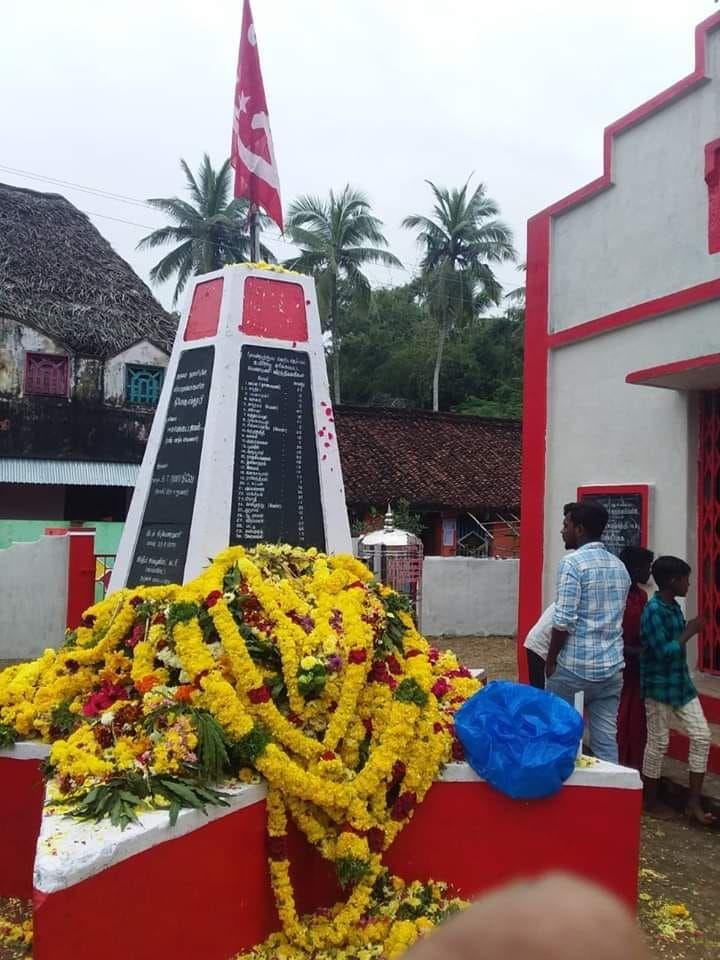 Martyr Monument in Keezhvenmani
It was only in 1978, a decade later, that a court order finally granted land to the surviving Dalit labourers. However, the AIADMK government at the time collected large fees for the land titles, disrupting proper distribution. As a result, many families did not immediately receive land. Despite these hurdles, the Keezhvenmani struggle became a landmark case for organised labour and anti-caste movements in Tamil Nadu, setting a precedent for the redistribution of land to the landless and reinforcing the importance of collective resistance.
Impact on Anti-Caste and Land Reform Movements
Keezhvenmani became a catalyst for wider anti-caste and land reform movements across Tamil Nadu. The massacre highlighted the systemic oppression faced by Dalits and the urgent need for redistributive justice. Subsequent struggles by agricultural labourers, often led by leftist parties such as CPI M and later by local unions, focused on fair wages, land ownership, and protection from upper-caste violence.
One concrete impact of the Keezhvenmani struggle was the acceleration of land redistribution policies in Tamil Nadu. For example, the Tamil Nadu Land Reforms (Fixation of Ceiling on Land) Act of 1961, which had already limited private land holdings, gained momentum in the late 1960s and 1970s with increased pressure from Dalit and workers’ movements.
Surviving Keezhvenmani families were among those who eventually received legal ownership of land, and the massacre inspired other villages to demand enforcement of land ceilings, ultimately helping thousands of landless workers across districts like Thanjavur, Nagapattinam, and Tiruvarur gain land. The tragedy underscored the connection between caste oppression and land inequality, making Keezhvenmani a touchstone for agrarian and anti-caste activism in Tamil Nadu.
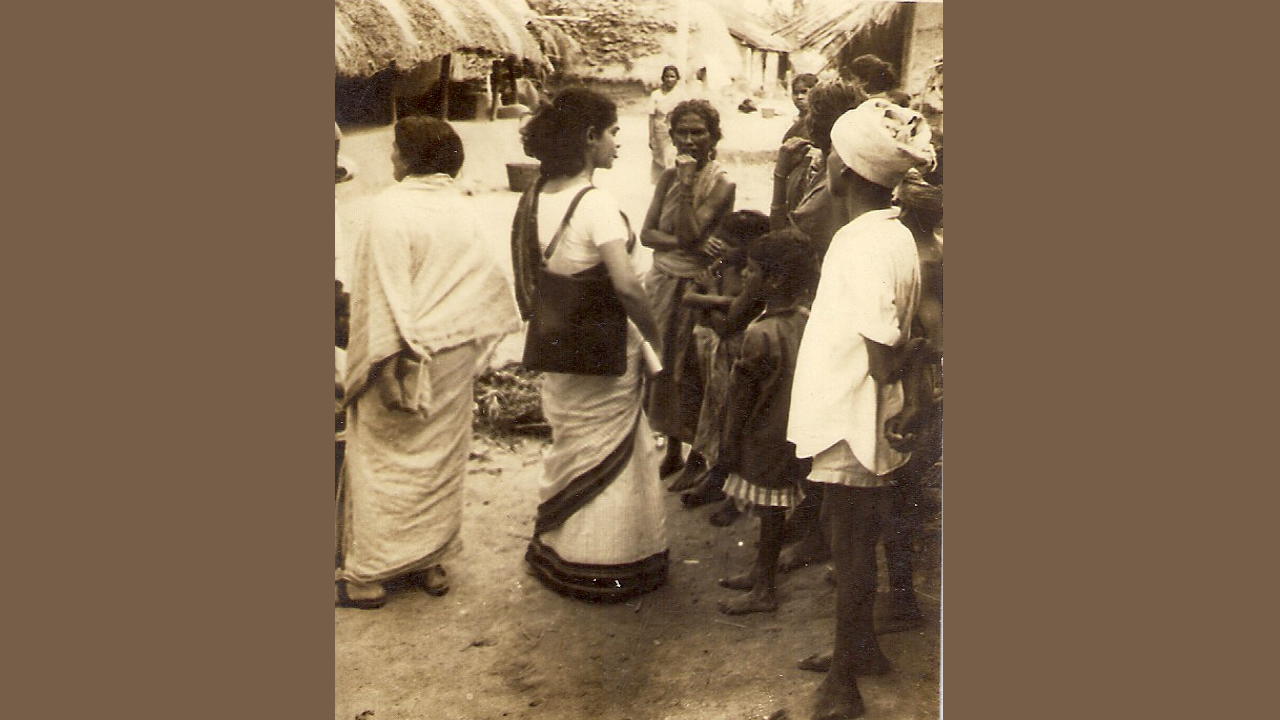 Maithili Shivaraman in Keezhvenmani
The CPI M, through legal battles and public advocacy, ensured that the Keezhvenmani massacre did not fade into obscurity. Works such as Maithili Shivaraman’s Haunted by Fire: Essays on Caste, Class, Exploitation and Emancipation documented the massacre, preserving the memory of the 44 martyrs and highlighting the broader fight for workers’ rights and social justice. Keezhvenmani remains a place of pilgrimage for activists, scholars, and thousands of visitors seeking to honour the courage of those who stood up against oppression.
Keezhvenmani on Screen
The tragic events of Keezhvenmani inspired the critically acclaimed Tamil film Asuran, directed by Vetri Maaran and starring Dhanush and Manju Warrier. Dhanush, who played the character "Shivasami,' won the National Award for Best Actor. The film’s flashback sequences are directly inspired by the Keezhvenmani massacre, portraying the brutality faced by Dalit agricultural workers and their struggle for dignity. Asuran, based on Poomani’s novel Vekkai, draws heavily from this tragic event.
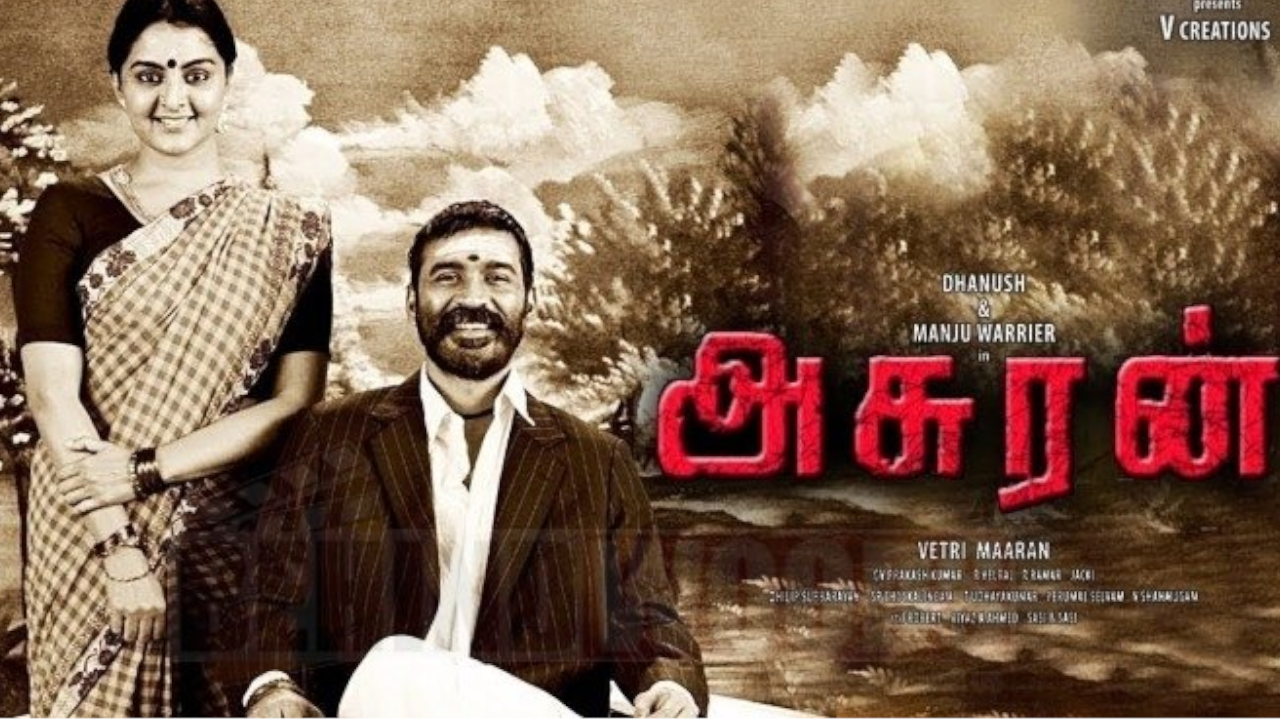 Asuran Film Poster
The film brings to life the courage and resilience of Keezhvenmani’s martyrs and underscores how their struggle shaped subsequent anti-caste movements and land reform initiatives in Tamil Nadu.
Keezhvenmani, 57 years on, remains an enduring symbol of resistance, courage, and the relentless fight of the working class against caste oppression. It is a reminder of the sacrifices made by Dalit labourers for land, dignity, and justice, and the powerful legacy of organised struggle that continues to inspire generations across Tamil Nadu and India.



Related News
Dont Miss it





0 comments