
When Even Death Is Denied: The Relentless Persecution of India’s Minorities

Anjali Ganga
Published on Jul 08, 2025, 02:47 PM | 5 min read
Have you ever imagined being denied a final resting place just because you pray differently? That your right to grieve, to mourn, to bury your dead could be blocked by mobs, threatened by neighbours, ignored by authorities? Sounds unthinkable. Yet, this is the lived reality of thousands in today’s India.
For religious minorities, especially Christians and Muslims, life has become a painful negotiation for dignity, safety, and sometimes, even the right to die in peace. What was once whispered bias has now erupted into loud, organised persecution.
 Credit: AP Photo/Manish Swarup
Since Narendra Modi took power in 2014, under the ideological umbrella of the RSS, this persecution has sharpened and spread. It is no longer isolated. It is systemic.
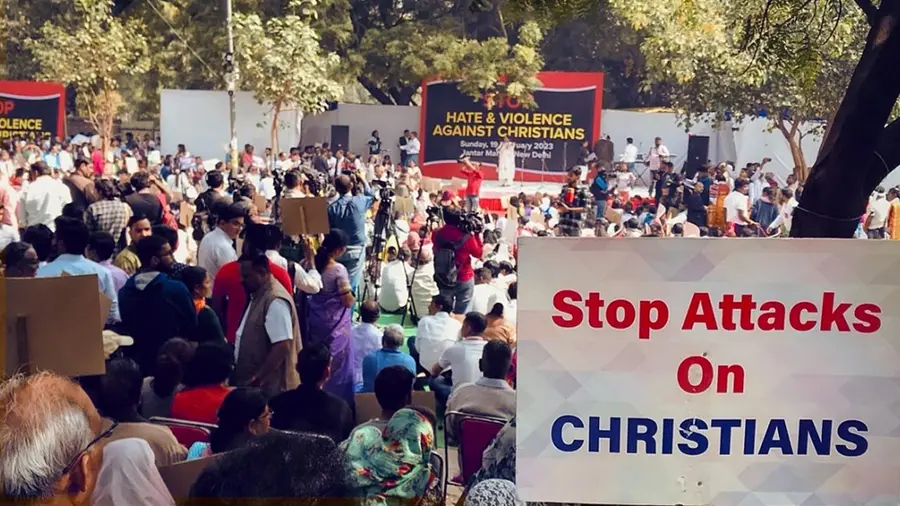
In northern and central India, Christians live in constant fear. Their homes are no longer sanctuaries. Their churches, once spaces of peace, are targets of violent rage. Priests, nuns, pastors, and ordinary believers are being assaulted, arrested, and silenced. The accusation used to justify this violence is always the same: religious conversion. But these allegations are repeatedly proven to be false. Truth doesn’t seem to matter anymore.
The last fifteen months have been among the darkest in the history of India’s Christian community. Over 840 cases of violence were reported. Of these, 640 have been verified by credible human rights organisations. In just January, February, and March of 2025, 121 new cases were recorded. These are not distant statistics. These are broken lives, grieving mothers, and communities stripped of their right to exist.
Christians have faced attacks almost daily. Churches are vandalised. Prayers are disrupted. Men and women are beaten, dragged to police stations, and jailed. In 2024, at least four Christians were murdered for their faith. One hundred and thirteen were injured. Sixty of them were women. Pastors and priests are under attack almost every single day, and on Sundays, the violence often doubles.
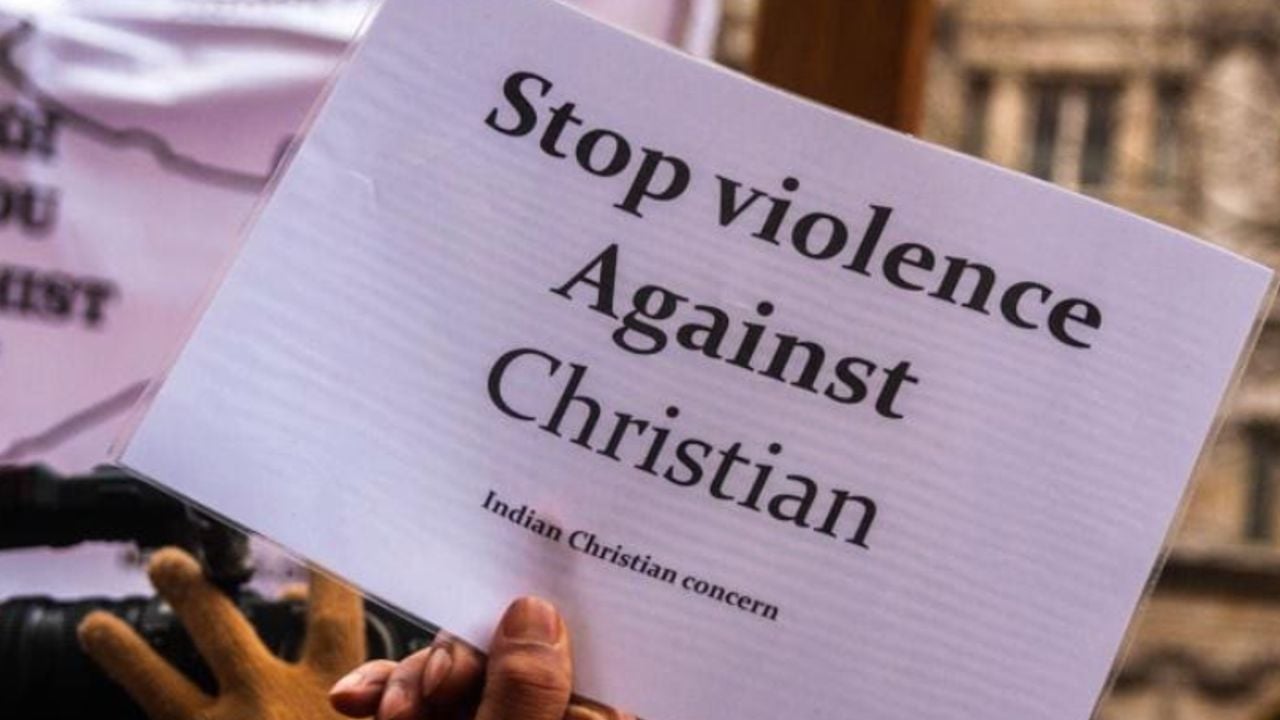
Legal harassment is another layer of persecution. First Information Reports have been filed against 197 Christians. Of these, 128 were related to alleged religious conversions. Seven hundred and twenty-four individuals were imprisoned or detained, including 129 pastors. In some cases, Christians were forcibly converted to Hinduism. In others, entire families were socially boycotted and denied access to basic resources. In the state of Chhattisgarh alone, many such instances have been reported.
Among the most horrifying trends is the denial of burial rights. In multiple villages, Christians were refused access to cemeteries. Their dead were left unburied for days. Families were threatened with violence. Villagers were ostracised for participating in funeral rites. This is not just about religious freedom. This is about basic human dignity. To be denied the right to bury your dead is to be stripped of your most fundamental identity.
The state machinery has remained alarmingly silent. In many cases, police refused to file complaints. Victims were instead arrested. In some incidents, local authorities sided with the mobs. Anti-conversion laws, now in place in several Indian states, are being misused to criminalise peaceful worship and community gatherings. These laws are vague and arbitrarily applied, and they have become tools to harass religious minorities.
Christian-run schools, hospitals, and charities are being choked through administrative harassment. Licenses are cancelled. Grants are withheld. Offices are raided under the guise of regulatory checks. The broader intent is clear: dismantle Christian civil society and erase its contribution to the social fabric of the country.
None of this is happening in secret. National and international organisations, including the UN Special Rapporteurs, have raised repeated concerns. But the Indian state has not responded with either remorse or reform. Instead, the machinery of persecution continues with confidence and impunity.
This is not the first time religious violence has torn through India’s conscience. Odisha still carries the scars of the 1999 murder of missionary Graham Staines and his sons. In 2008, Kandhamal burned as over 100 Christians were killed, 75,000 displaced, and 400 churches and homes destroyed. Today, the same hate is being reproduced in new forms, from Chhattisgarh to Uttar Pradesh.
 AP Photo/ Sajad Hussain
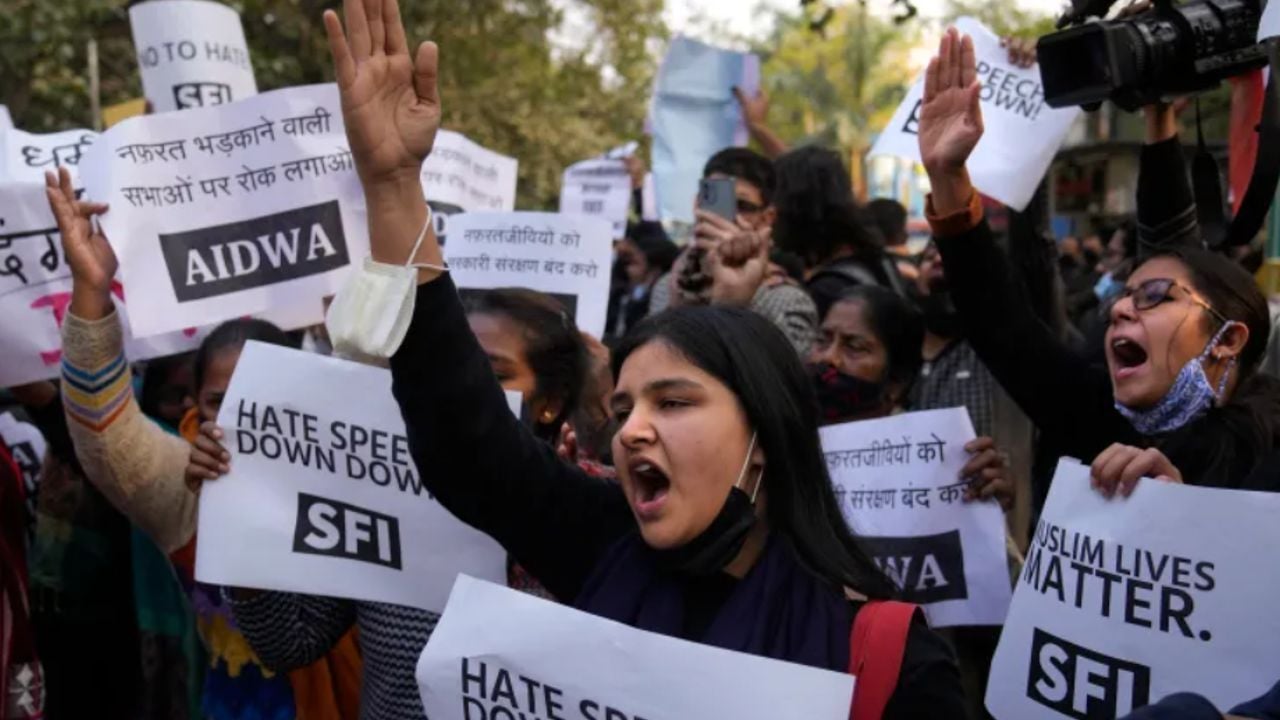
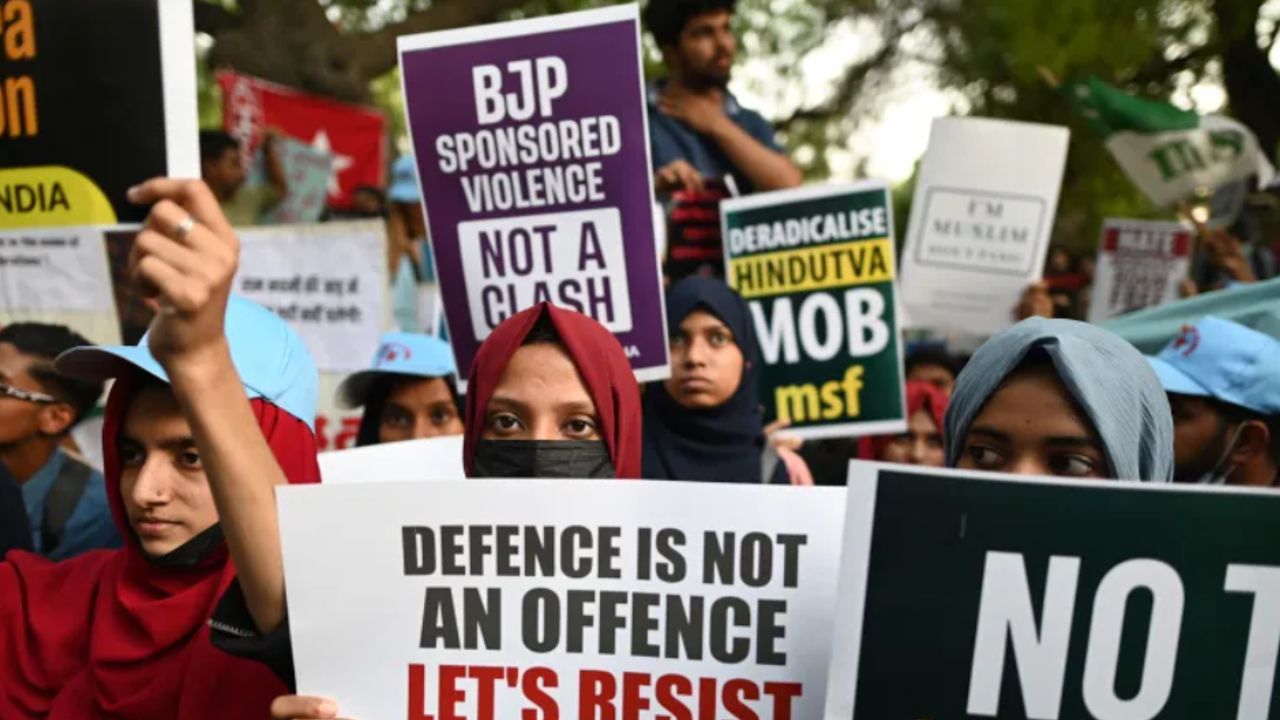
Muslims, India’s largest religious minority, are facing parallel horrors. In 2024, demolitions of homes and shops followed protests or minor law-and-order incidents. These demolitions were carried out under the banner of anti- encroachment drives but were clearly retaliatory and discriminatory. Families were not served notices. There was no legal process. Bulldozers became instruments of political revenge.
Muslims also continue to face exclusion from welfare schemes, under representation in government jobs, and targeted removal from voter lists. Hate campaigns online portray them as violent, anti-national, and culturally incompatible. The silence of regulatory bodies fuels these dangerous narratives.
The use of preventive detention laws and surveillance tools against Muslim youth, activists, and journalists has raised serious concerns. Custodial deaths have been reported. Many remain behind bars for months, even years, without trial. Representation in legislatures is dismal. In the criminal justice system, the bias is even more stark. Muslims make up a disproportionately high number of undertrial prisoners, especially under draconian laws like UAPA.
Muslim civil society has shown incredible resilience. Legal aid groups, community health workers, and educators continue to push against the tide. But their space to function is shrinking by the day. With increasing state hostility, even these grassroots efforts are being cornered.
What has changed over the past decade is not just the frequency of violence, but its legitimacy. Hate is now seen as governance. Prejudice is paraded as patriotism. And justice is becoming a memory.
When a nation begins to deny even the dead their resting place, it is not just minorities that suffer. The entire moral fabric of the country unravels. A democracy that cannot protect its most vulnerable has already failed its promise.
Tags



Related News
Dont Miss it








0 comments