
Labour
‘Abandoned by the Centre’: Kerala’s NTC Mill Workers Face Fifth Year Without Pa

Web desk
Published on Aug 19, 2025, 06:42 PM | 3 min read
Thrissur: It has been over five years since 23 textile mills under the National Textiles Corporation (NTC) — a union government undertaking — were shut down, leaving thousands of workers across India in limbo. These public sector mills, including five in Kerala, have since fallen into a state of decay, with workers trapped in mounting debt, facing foreclosure threats, and battling for basic survival.
The closure, which began in 2020 under the guise of the COVID-19 pandemic, has since turned into a prolonged shutdown, with no signs of reopening. The Kerala State Textile Mill Workers Federation (CITU) warns of a humanitarian crisis brewing among former workers and their families, citing unpaid wages, denied medical care, and long-term uncertainty about pensions and employment.
Trade union leaders criticised the union government's economic policy — particularly the unregulated import of cheap textiles from foreign countries — for sounding the death knell for these public sector mills. As international textiles flood Indian markets, locally-produced fabrics struggle to stay competitive, especially those manufactured in state-owned mills already burdened with outdated machinery and limited financial support.
"Instead of supporting Indian industry, the current policies are making us dependent on foreign manufacturers," said M.R. Rajan, General Secretary of the Textile Workers Federation.
Among the 114 NTC mills originally nationalised across the country, only 23 remain. Kerala had five NTC mills that once provided employment to hundreds: Alagappa and Kerala Lakshmi mills in Thrissur, Mahi Mill, Kannur Mill, and Vijayamohini Mill in Thiruvananthapuram. All of these were closed simultaneously in 2020. Parvathi Mill in Kollam, another textile unit, has been non-operational for years.
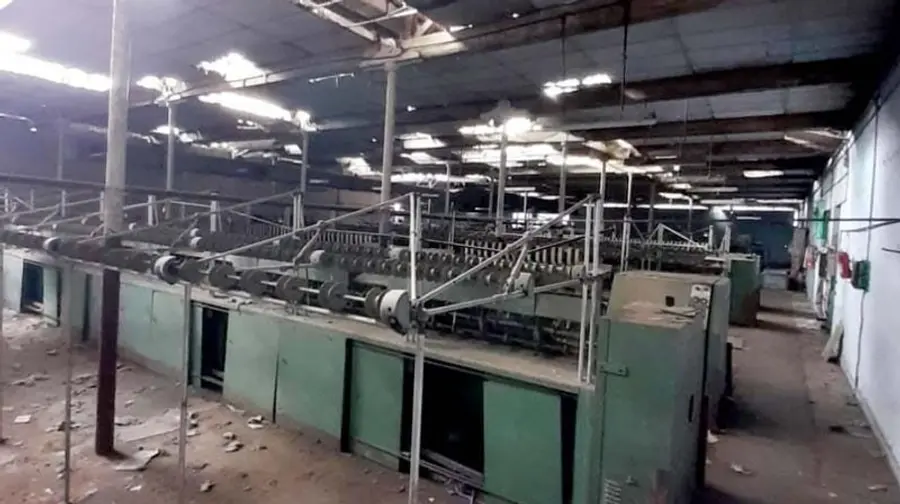
In the absence of maintenance or preservation, machinery worth crores of rupees is now rusting away. The physical infrastructure of these mills is deteriorating rapidly, with no efforts made toward revival or re-purposing.
Tens of thousands of temporary workers have not received a single rupee in wages since the shutdown. While permanent workers were paid salaries until October 2024, even that has now stopped. As of now, they have gone ten months without any income.
Contributions to Employees’ State Insurance (ESI) have lapsed, stripping workers and their families of access to critical healthcare. Workers earning above Rs. 21,000 — who are excluded from ESI protections — receive no alternate support from the company or the government. Additionally, the company’s failure to make regular Provident Fund (PF) contributions is affecting workers' EPF pension eligibility, leaving their future insecure.
Despite repeated pleas and protests, the NTC management and the union government have shown no intent to revive the mills or even engage with workers’ unions. Critics argue this is part of a broader effort to systematically dismantle the public sector, making way for privatization and real estate takeovers.
"Every passing day adds to the loss — not just for workers, but for the country," Rajan added. "Idle infrastructure, unpaid pensions, and shattered livelihoods — this is what remains of India’s once-proud textile legacy."
In response to this ongoing neglect, a mass protest will be held on August 20, organised by the Joint Workers’ Union, in front of the closed mill premises. Unions from across the state are expected to join in solidarity, demanding immediate reopening of mills, payment of pending wages, restoration of medical and pension benefits, and a clear roadmap for revival.



Related News
Dont Miss it







0 comments