
Orange UV Alert in Six Districts in Keralam as Heat, UV Radiation Levels Surge; IMD Issues District-Wise Warnings
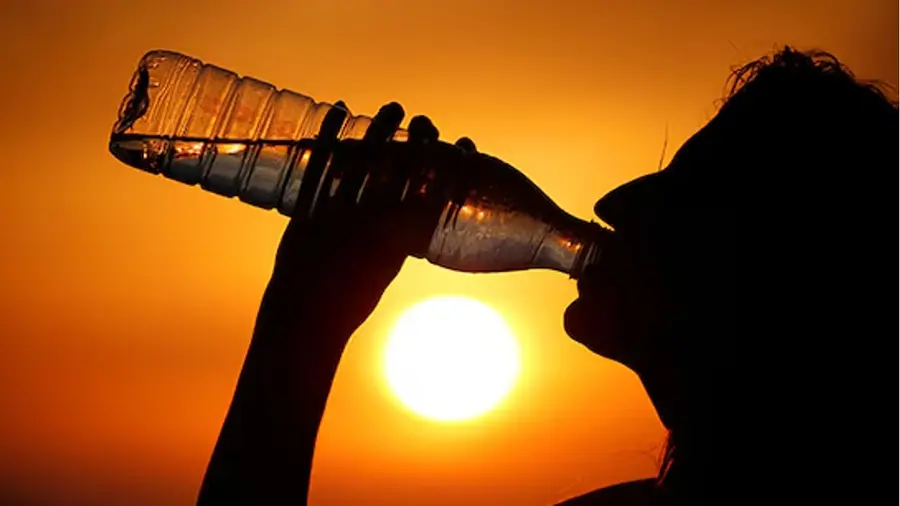
Image used for representation
Thiruvananthapuram: The India Meteorological Department has issued a fresh round of heat and ultraviolet radiation warnings for Keralam, with temperatures expected to remain significantly above normal through Sunday. The State Disaster Management Authority has declared an Orange UV Alert in six districts and a Yellow Alert in five others, urging the public to take serious precautions.
Palakkad is expected to record the highest maximum temperature at 40°C, followed by Kollam at 39°C and Kottayam at 38°C. Pathanamthitta, Alappuzha, Ernakulam, Thrissur, Malappuram, Kozhikode, Kannur, and Kasaragod are forecast to reach 37°C, while Thiruvananthapuram is likely to touch 36°C — between 2°C and 3°C above seasonal normal. The combination of high temperatures and humid air is expected to cause hot and oppressive conditions across all these districts, with the exception of highland areas.
Orange Alerts — indicating UV index readings between 6 and 8, requiring serious protective measures — have been issued for the following locations: Kottarakara (Kollam), Konni (Pathanamthitta), Chengannur (Alappuzha), Changanacherry (Kottayam), Munnar (Idukki), and Thrithala (Palakkad).
Yellow Alerts have been issued for Kalamassery (Ernakulam), Ollur (Thrissur), Ponnani (Malappuram), Beypore (Kozhikode), and Mananthavady (Wayanad).
Authorities have specifically cautioned outdoor workers, sea and inland fisherfolk, water transport workers, motorcyclists, tourists, and those with skin conditions, albinism, eye ailments, cancer, or compromised immunity to exercise extra vigilance.
UV index levels peak between 10 am and 3 pm. The public is advised to avoid prolonged direct sun exposure during these hours, wear full-sleeved cotton clothing, use hats, umbrellas, and sunglasses when stepping out, and rest in shade during travel breaks. Authorities also noted that UV levels tend to be higher at elevated altitudes, in tropical zones, and near water bodies and sandy surfaces, which reflect ultraviolet radiation.



Related News
Dont Miss it








0 comments