
Analyzing Wayanad Rehabilitation: Government Efficiency vs Congress Claims

Web desk
Published on Jan 07, 2026, 08:45 PM | 3 min read
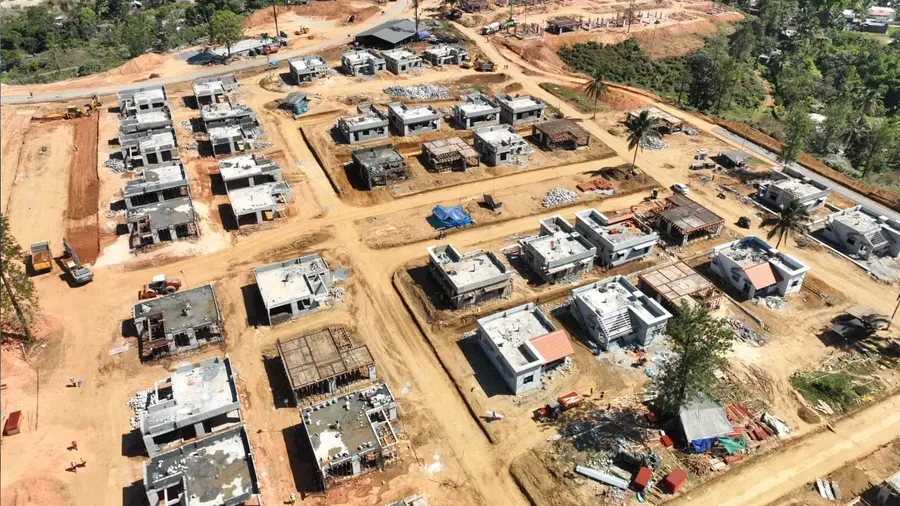
Thiruvananthapuram: In the aftermath of the Mundakkai Chooralmala landslide on July 30, 2024, the Kerala government has efficiently moved forward with rehabilitation, constructing houses on its own land to ensure timely resettlement of affected families. In contrast, Congress has yet to acquire land for housing construction, despite making public announcements and pledges.
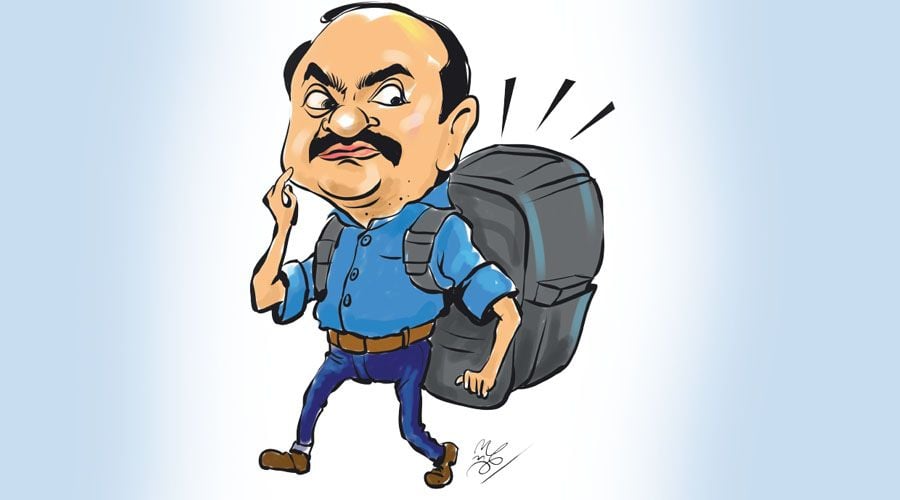
Today, Congress leader V D Satheeshan claimed that the government delayed land allocation for a year. However, from the very first government meeting, it was clarified that the land could not be handed over to NGOs or political parties; they would need to secure land independently. Yet, even after a year, Congress has still not managed to acquire any land. Satheeshan now contends that it was only three months ago that they realised government land would not be available to them. A closer examination of the timelines and actions of both the government and Congress reveals a stark contrast.
Congress: Announcements Without Execution
Congress’ response to the disaster primarily consisted of public announcements rather than concrete action. Within days of the landslide, the party promised over 100 houses, with Youth Congress pledging 30 more. A fundraising app was launched in early September 2024 by Rahul Gandhi, yet the app was soon deactivated. Questions regarding total funds raised remain unanswered, even to the KPCC president, and there is no clarity on land acquisition or estimated project costs. Despite over a year and a half passing since these announcements, there is no public evidence that Congress has secured land or made tangible progress on housing.
Congress Timeline:
▪️ July 30, 2024: Landslide disaster at Mundakkai Chooralmala, Wayanad.
▪️ August 2–3, 2024: Congress announces over 100 houses.
▪️ August 2024: Youth Congress pledges 30 houses.
▪️ September 4, 2024: Following the government’s CMDRF fund collection, Congress launches its own fundraising app, inaugurated by Rahul Gandhi.
▪ Till now there is no further action has taken.
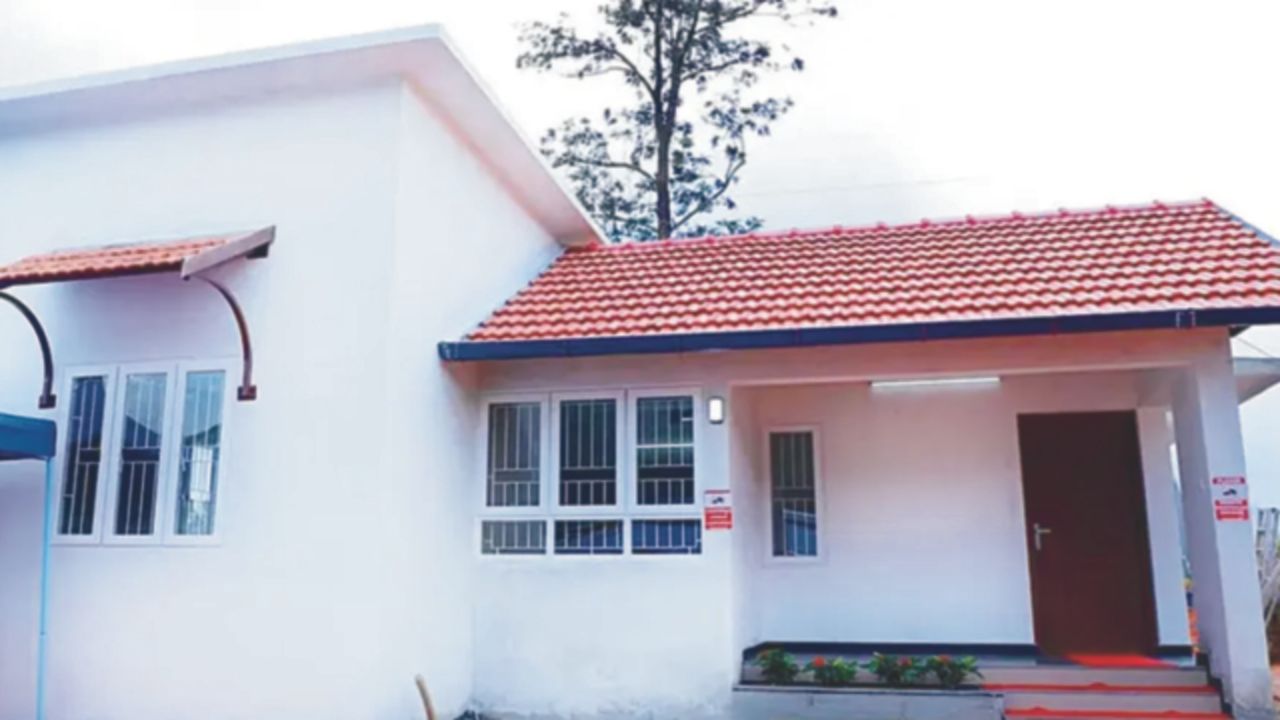 House constructed in Mundakkai Chooralmala Township
Kerala Government: Structured, Record -Backed Action
In contrast, the Kerala government followed a systematic, documented approach:
July 30, 2024: Disaster occurs.
August 9, 2024: Government announces financial assistance.
August 30, 2024: Comprehensive resettlement plan unveiled.
December 22, 2024: Special cabinet meeting accelerates resettlement; draft plan by Chief Secretary approved for 1,000 sq. ft. houses under KIIFB.
January 1, 2025: Master plan approved.
March 27, 2025: Foundation stone laid for the township.
April 16, 2025: Construction begins for model houses by Uralungal Labour Contract Society (ULCCS).
May 15, 2025: 351 crore rupees sanctioned for the township project.
January 2026: First phase of 327 houses completed; government announces handover in February 2026.
A comparative evaluation of timelines underscores the disparity between announcement and execution. While Congress has remained largely symbolic in its approach, the government has moved steadily from planning to completion. Within one and a half years, over 300 houses are ready for handover, while Congress’ promises have yet to materialise into land acquisition or housing construction.
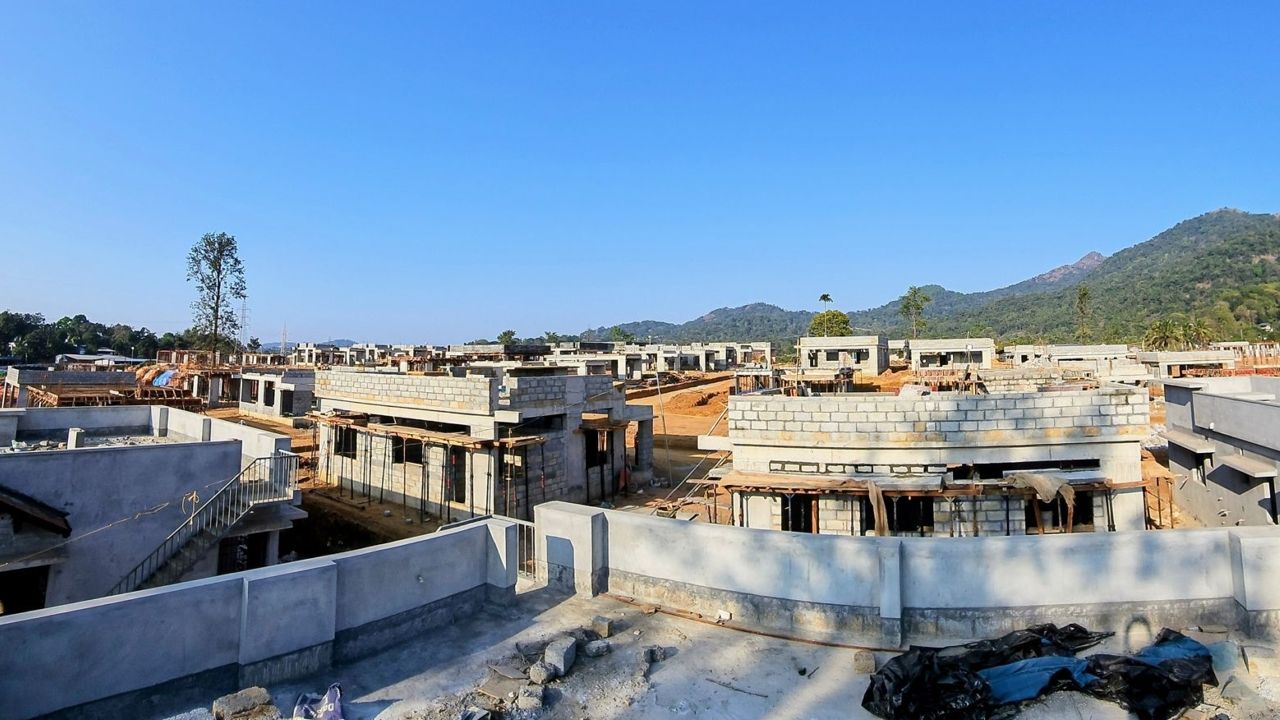 Construction progressing in Mundakkai Chooralmala township
The Mundakkai Chooralmala case highlights the difference between political rhetoric and administrative execution. The Kerala government’s structured, transparent, and time-bound approach has ensured that disaster-affected families see tangible results, while Congress’ claims of government inaction lack evidential support. For citizens monitoring rehabilitation, the record clearly favours efficiency and accountability over unsubstantiated political statements.



Related News
Dont Miss it








0 comments