
Kerala invests 43.55 crore rupees to create jobs and empower women in the cashew sector

Anjali Ganga
Published on Jan 21, 2026, 11:38 AM | 3 min read
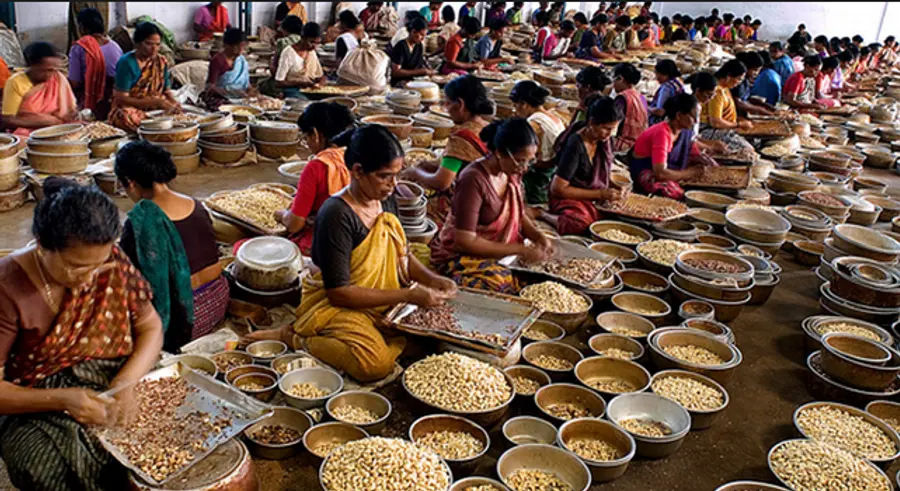
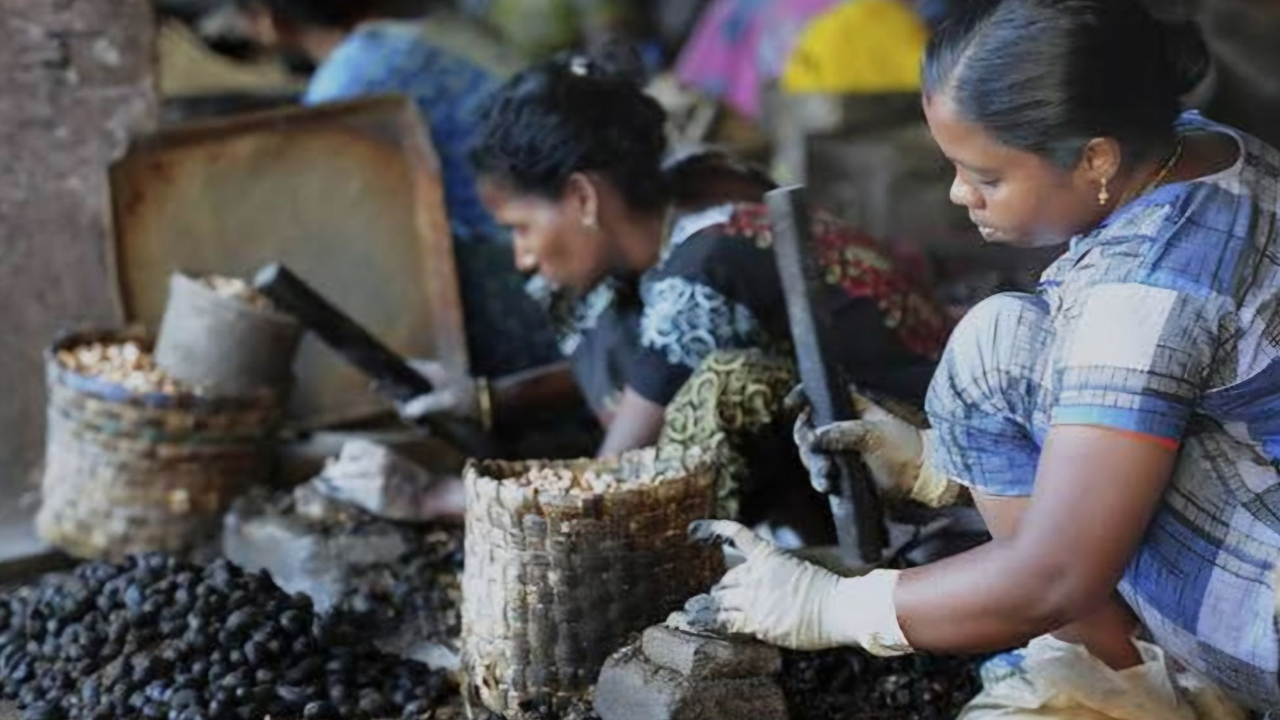
Thiruvananthapuram: The Kerala government has launched a wide -ranging initiative to modernise and revitalise the cashew industry, creating substantial employment opportunities, particularly for women from economically disadvantaged, BPL, and rural households. Funds were allocated for factory modernisation and renovation, resulting in 561 new jobs and completion of test work for 415 cutting workers. Through the Cashew Development Corporation and CAPEX, 785 additional workers received employment. Minimum wages were increased by 23 per cent, and partial mechanisation was introduced to enhance efficiency while sustaining jobs.
Positive responses have been received from African countries, strengthening cashew exports and imports. In 2022-23, 78,182 metric tonnes of raw cashews were exported through the Cashew Development Corporation and CAPEX. Agreements were signed to import 5,000 metric tonnes each from Ghana and the Ivory Coast. In addition to the 43.55 crore Indian rupees already approved for further imports, an additional 33 crore rupees were sanctioned. For the 2025-26 financial year, steps are being taken to import 20,000 metric tonnes of raw cashews from various African countries to ensure continued employment for cashew workers.
To promote the cashew industry and support private entrepreneurs, interest concessions on bank loans and other incentive schemes were implemented. In 2022-23, 37 crore rupees were allocated for this purpose, including 2 crore rupees for reviving the private cashew sector and implementing short-term incentive schemes. For repayment of ESI/PF contributions by employers, 20 crore rupees were provided, along with 5 crore rupees to create women-friendly physical infrastructure and 5 crore rupees for renovation of shelling units. Through the interest subsidy scheme, 2.2 crore rupees were allocated to private entrepreneurs in 2022-23, followed by 43.53 lakh rupees in 2023-24.
A ‘one-time settlement’ scheme was implemented to revive idle factories, ensuring more working days for employees. For the first time in history, 20 crore rupees were distributed specifically for ESI/PF repayment, creation of women-friendly infrastructure, and shelling unit renovations. Additionally, 80 lakh rupees were provided as interest subsidies to promote private cashew entrepreneurs.
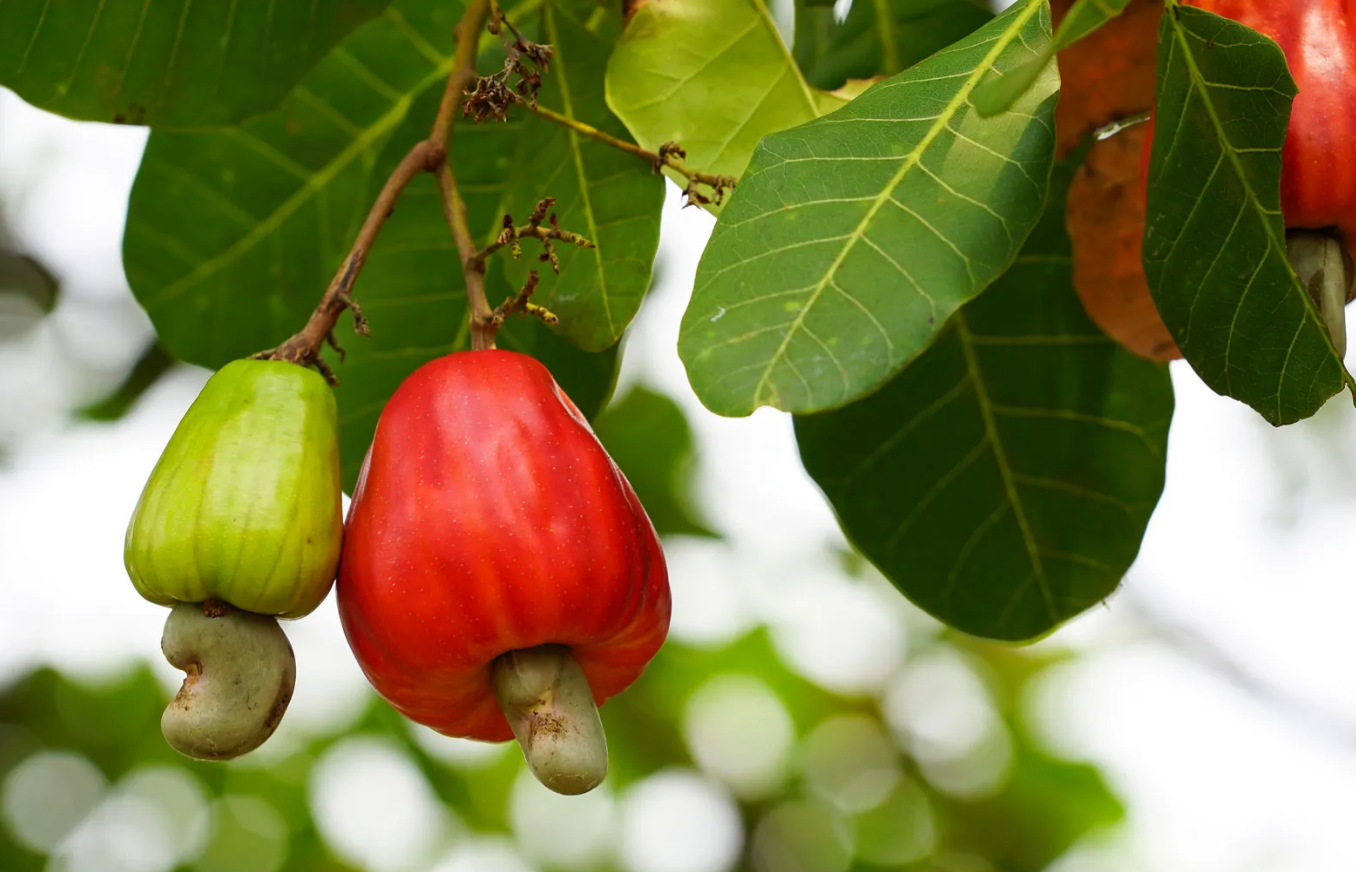
The government has introduced innovative measures to increase domestic production and sustain livelihoods. High-yield, controllable, and non-spreading cashew seedlings have been planted in areas unsuitable for other crops, including under coconut plantations and barren lands. For cashew cultivation in 2024-25, advanced planting methods, normal density, high density, and ultra-high density, were adopted. A total of 5,11,192 cashew seedlings were distributed free of cost for cultivation across 2,009.09 hectares. To further boost production, beekeeping initiatives were also implemented in cashew plantations.
These efforts have particularly benefited women from rural, economically disadvantaged backgrounds, providing stable employment and fair wages. Through modernisation, innovative cultivation techniques, infrastructure development, and targeted financial support, Kerala is creating a sustainable model for reviving the cashew industry while securing livelihoods for women and rural communities.



Related News
Dont Miss it









0 comments