
Devaswom Pleader Appointment: Nothing Will Happen Without Minister’s Knowledge; Questions Raised Over Minister’s Role
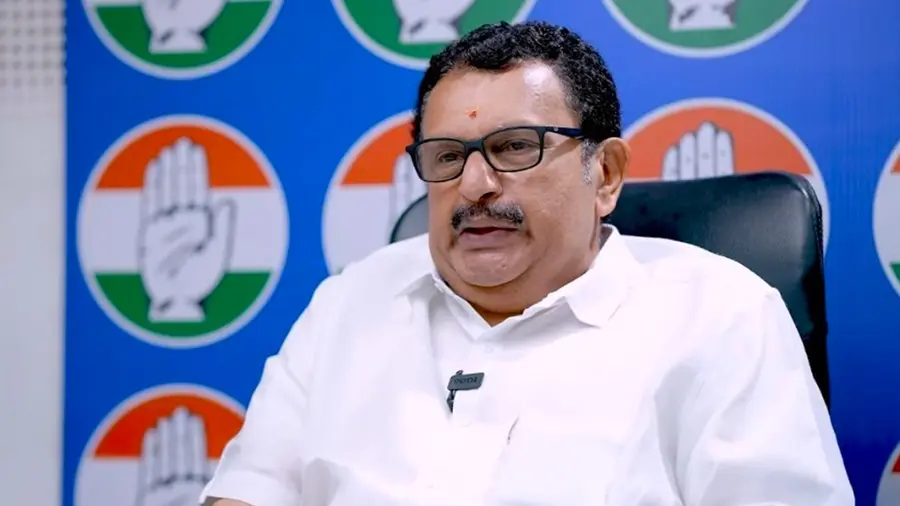
Devaswom Minister K Muraleedharan
Thiruvananthapuram: Strong criticism has been raised against Devaswom Minister K Muraleedharan over his claim that he was unaware of the appointment of the accused’s lawyer in the Sabarimala gold theft case as the Devaswom Department’s Special Government Pleader.
The minister had stated that the appointment was not made by him but by Chief Minister V D Satheesan and that full freedom had been granted to the Chief Minister in the matter. However, the allegation argues that, under established government procedure, no decision can legally be taken on a departmental file without the knowledge of the concerned minister.
Referring to Secretariat business rules, critics argued that files relating to matters requiring Cabinet consideration must ordinarily be routed through the concerned department minister before reaching the Chief Minister. If the Chief Minister directs that the matter be placed before the Cabinet, the file returns through the same departmental channel.
Once a matter proceeds for Cabinet consideration, a Deputy Secretary or an officer of higher rank prepares the Cabinet note. The document is then submitted again to the Chief Secretary.
If the Chief Secretary suggests corrections to the draft Cabinet note, it is returned to the concerned department for revisions. After incorporating those changes, the revised note once again reaches the office of the department minister through the Chief Secretary.
Once approved, the Cabinet note — consisting of five copies in English and 35 copies in Malayalam — is again routed through the Chief Secretary and the department minister before reaching the Chief Minister.
Following that, either on the day before the Cabinet meeting or earlier, the Cabinet note, agenda note, and related documents are delivered in sealed covers with strict confidentiality to the offices of all ministers.
If the Cabinet takes a decision on the matter, a copy of the decision, including the item number and date, is signed by the Chief Secretary and sent back to the concerned department minister.
Thereafter, within 48 hours, the department secretary is required to issue the formal government order in their own name and provide a copy to the Chief Secretary. However, before issuing such an order, the file is again submitted to the department minister.
Based on this process, critics argued that a Cabinet decision should not normally occur without the department minister’s involvement except in highly urgent circumstances.
The criticism therefore questions the minister’s explanation that the appointment of the Devaswom Special Government Pleader happened without his approval and argues that such a position raises concerns about collective responsibility within the government.
The statement concludes that, according to the critics, advocate K B Pradeep should not be the focus of accountability and instead calls for the resignation of Minister K Muraleedharan, alleging that the public was misled.



Related News
Dont Miss it








0 comments