
Severe Heatwave Continues to Scorch Western Europe, Disrupting Daily Life
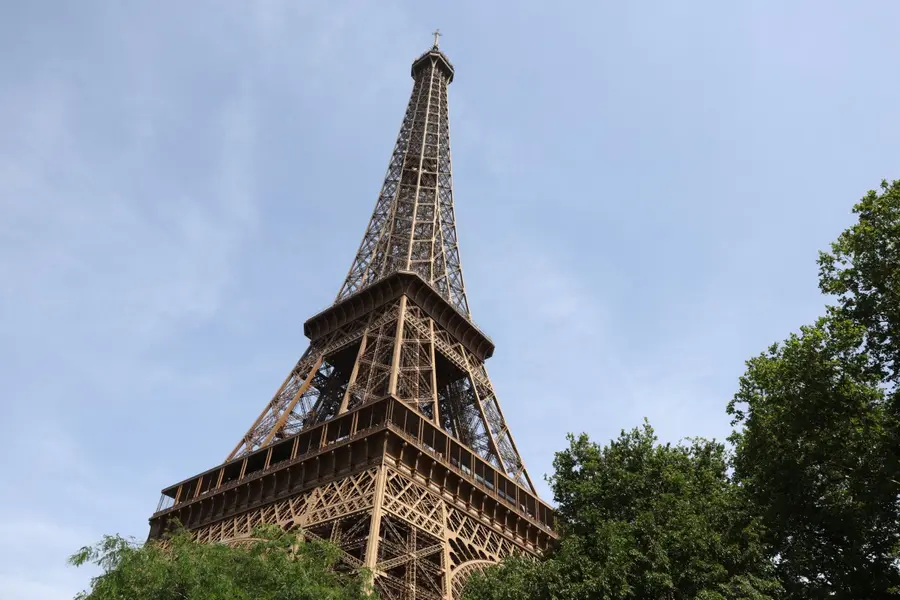
Eiffel Tower has announced its early closing due to heatwave in Paris on June 23, 2026. (Photo | AFP)
Paris: A severe heatwave continues to affect large parts of Western Europe, with France recording some of the highest daytime and nighttime temperatures in its history. The extreme weather has disrupted normal life, leading to school closures, transport interruptions, and restrictions at tourist destinations.
Several deaths have also been reported amid the intense heat.
In southwestern France, temperatures reportedly reached 44.3°C in Pissos on Tuesday, while the country’s average daytime temperature climbed to 29.8°C, described as an unprecedented level by French weather authorities.
The previous night also recorded unusually high temperatures, with 21.6°C overnight, making it one of the warmest nights ever documented in the country.
Meteorologists attribute the heatwave to atmospheric changes linked to the El Nino phenomenon combined with the formation of a “heat dome”, which has intensified and trapped hot air across the region.
France has issued Red Heat Alerts across 72 departments, the highest level recorded so far. The heatwave is now expanding toward Northern Europe and the United Kingdom.
In the UK, 35.8°C was recorded in Wiggonholt, West Sussex on Wednesday, marking one of the highest June temperatures in recent years. Temperatures may rise further in the coming days.
Heat alerts are also in effect across several European countries, including Italy, Spain, Germany, and Switzerland. In Italy, major cities such as Rome, Florence, and Milan remain under red alert.
The impact on public services has been significant. More than 1,800 schools in France were fully closed, around 8,000 schools adjusted schedules, power disruptions affected nearly 68,000 residents in Brittany after transformers reportedly failed under extreme heat.
Rising river temperatures forced reductions in output at several French nuclear power plants, affecting electricity supply. Authorities also shortened operating hours at major tourist attractions, including the Eiffel Tower and the Louvre Museum.
In the Netherlands, widespread train service disruptions were reported due to the weather.
Forecasts suggest above-normal temperatures could continue across Europe in the coming months, raising concerns over public health, infrastructure resilience, and energy demand.



Related News
Dont Miss it









0 comments