

New US Import Tariffs Take Effect After Supreme Court Strikes Down Trump’s Earlier Levies
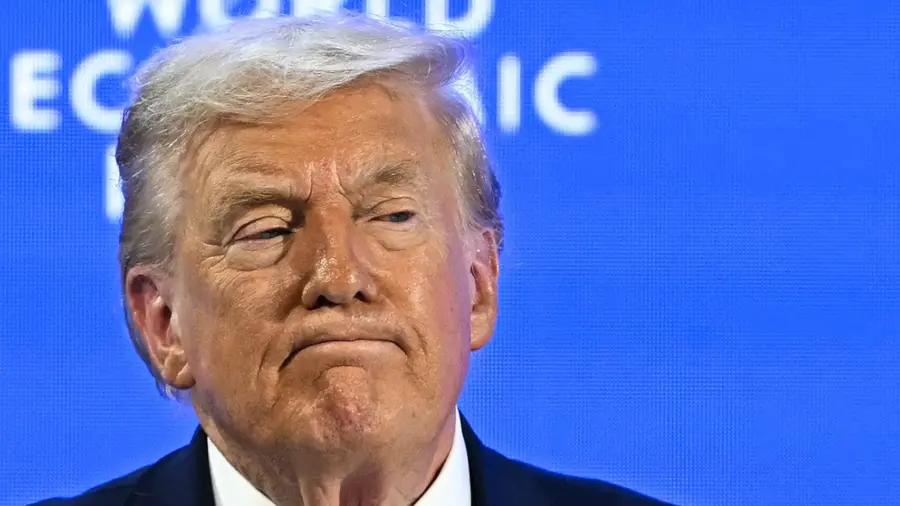
Washington DC: New U.S. import tariffs imposed by Donald Trump have come into effect Tuesday, just days after the Supreme Court of the United States struck down key parts of his earlier tariff regime.
In a 6–3 decision last week, the Supreme Court ruled that Trump’s sweeping tariff levies imposed under emergency economic powers were unconstitutional because only Congress has authority to impose taxes and duties under US law. That ruling invalidated a range of “reciprocal” tariffs on goods from numerous countries, prompting legal and political backlash.
Within hours of the ruling, Trump moved quickly to rebuild his trade stance by signing a new order under Section 122 of the Trade Act of 1974, a legal authority that allows the president to impose temporary tariffs of up to 10 percent on most imports without prior congressional approval. Those duties — designed to apply broadly across US trade — took effect early Tuesday and will remain in place for up to 150 days unless Congress acts to extend them.
The new tariff framework, which includes exemptions for certain North American trade partners and some agricultural and industrial products, reflects the administration’s intent to preserve protectionist measures despite the court’s rebuke. Trump has also signalled plans to potentially raise the rate to as much as 15 percent and pursue further tariff actions targeting specific sectors, keeping trade tensions elevated.
US Customs authorities will also stop collecting duties under the invalidated emergency powers tariffs, meaning imports previously subject to those levies no longer face those charges — though the new 10 percent tariff now applies.
The tariff reset comes amid widespread uncertainty among US businesses and international trading partners. Industry groups have criticised the legal and economic whiplash felt as companies grapple with shifting trade charges and seek clarity on whether past duties might be refunded following the court’s ruling.
Internationally, allies and exporters closely watching these developments have raised concerns that tariff unpredictability could undermine investment and disrupt negotiations on broader trade agreements. Economists say the short-term tariffs may temper the most disruptive effects of the Supreme Court’s decision — but that longer-term economic relations remain in flux as Washington navigates legal and legislative pathways for trade policy.



Related News
Dont Miss it










0 comments