
India Awaits Official Request From Bangladesh Before Deciding on Sheikh Hasina’s Extradition
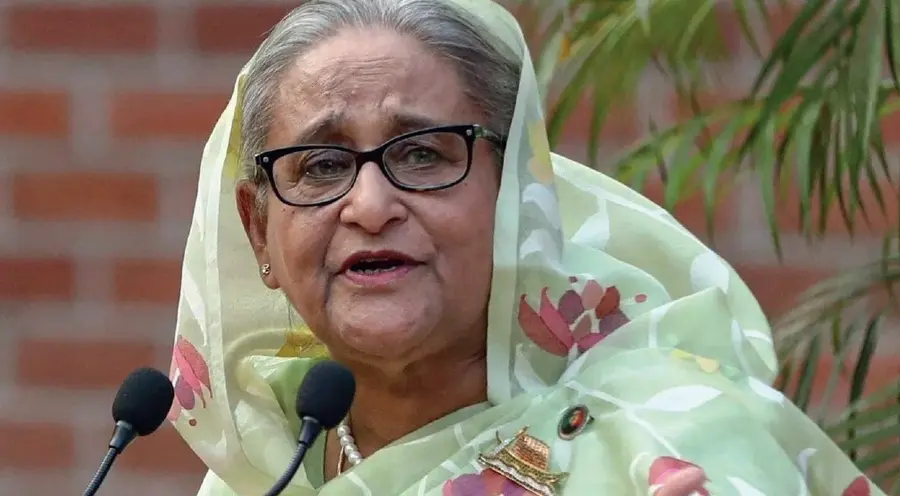
A decision on handing over former Bangladesh Prime Minister Sheikh Hasina—who has been sentenced to death—to Bangladesh will be taken only after New Delhi receives an official request from Dhaka. India is trying to ensure that the issue does not further worsen relations between the two countries. High-level sources said the matter is being handled with extreme caution. Bangladesh’s position is that India must hand over Sheikh Hasina, who is living in India after being forced to flee the country during the 2024 protests. Bangladesh will formally submit the request today.
Meanwhile, political observers believe that India is unlikely to hand over Hasina quickly. India is fully aware that the death sentence against Hasina is a retaliatory move by the interim government led by Muhammad Yunus. Bangladesh is currently governed by forces known to be hostile towards India, and Yunus himself is a staunch critic of New Delhi. Those who ousted Hasina are also people who regularly oppose India’s stance. In such a political climate, if India hands her over, it would amount to validating all the anti-India actions taken by the current Bangladeshi establishment, said Professor Sanjay Bhardwaj of JNU’s South Asian Studies department.
India–Bangladesh relations are currently at a standstill. Once strong cooperation in economic, security, and political spheres has now been replaced by mistrust. Bangladesh will not allow bilateral relations to progress positively unless Hasina is handed over, said former Indian High Commissioner to Bangladesh, Pinak Ranjan Chakravarty.
Meanwhile, the announcement of fresh elections in Bangladesh is seen as a positive sign. Elections are scheduled for February. Sheikh Hasina’s Awami League has been banned in the country. The main opposition, the Bangladesh Nationalist Party (BNP), too, has been sharply critical of New Delhi. Even so, India will have better chances of dialogue once a new government takes office. The current situation is not conducive to moving forward; Bangladesh needs a new government, and India must wait for that, Chakravarty added.
Related News
A woman who served as Prime Minister for almost 20 years and became part of world history is now a refugee fearing for her life. The mass national uprising against Hasina’s government began as student-led protests over the reservation policy that granted job quotas for the children of freedom fighters. The government’s attempt to suppress the movement using security forces led to widespread violence. According to UN reports, 1,400 people were killed during the protests between July 15 and August 15, 2024.
Removed from power on August 5, 2024, Hasina fled to India for safety. After her ouster, an interim government under Muhammad Yunus took charge. The International Crimes Tribunal (ICT)—a body earlier used by Hasina to prosecute war criminals—tried her in absentia for the 2024 crackdown and sentenced her to death.



Related News
Dont Miss it





0 comments