
‘Thanthapperu’ seeks to reclaim the lost voice of Cholanaikkan tribe, says Director Unnikrishnan

Web desk
Published on Dec 16, 2025, 07:29 PM | 3 min read
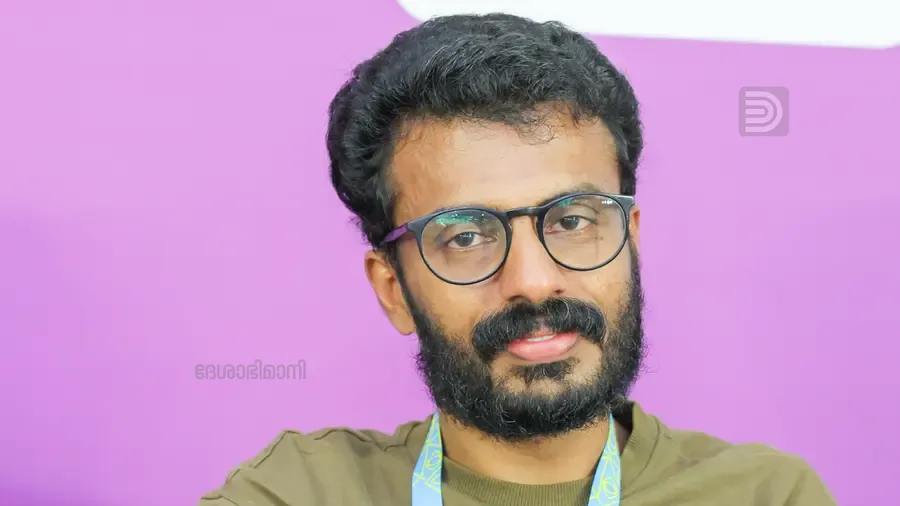
Thiruvananthapuram: Director Unnikrishnan Avala’s latest film, Thanthapperu (Life of a Phallus), which was screened at the 30th IFFK, has been praised as a powerful exploration of tribal identity and survival. The film delves into the lives of the Cholanaikkan tribe, tracing their evolution over the past fifty years, beginning from the Emergency era, and examining their self-realisation and destiny.
Q: How do you approach the politics of tribal identity in the film?
Unnikrishnan Avala:The politics in Thanthapperu can’t really be summed up in a single sentence. It works on multiple layers, there’s the struggle for mates, or Inavetta, the male ego, and the broader crisis of identity.
Set against the Malabar backdrop, where a shortage of brides is a growing social issue, the film mirrors this reality within the Cholanaikkan tribe. Our protagonist loves his wife deeply, but he struggles to express it, he lacks what I call the "language of affection.'
The narrative unfolds in three layers: memories of the Emergency, the harshness of the present, and a dream-like realm where the boundaries between the two blur.
Q: The Cholanaikkan language is central to the film. How did you navigate the linguistic and cultural challenges during shooting?
Unnikrishnan Avala: That was one of the most significant aspects of the film. The Cholanaikkan dialect is primitive, with no script, and blends Tamil, Telugu, Kannada, and Tulu. Calling it a "Malayalam film" was a challenge, especially during censorship. Since there’s no official slot for this dialect, we had to register it under ‘Other.’
The language carries the culture and soul of the characters. As a director, I wanted the audience to hear their authentic voice, so we used subtitles rather than altering it for convenience.
Q: What was the casting process like, given that you worked with tribal members who have little or no exposure to cinema?
Unnikrishnan Avala: It was a Herculean task, but also thrilling. Most of the cast still live in caves and have no concept of cinema. They are fiercely independent and resist any form of authority. To get them to perform, I had to spend years building what I call a "bridge of hearts", becoming one of them, earning their trust, sharing their lives.
Q: I heard the film was inspired by Mani, a tribal man who sadly passed away during production.
Unnikrishnan Avala: Yes. Mani was our “Location Captain” and a pillar of the project. His death in an accident during shooting was devastating. Earlier, we had also lost Madhettan, another elder, who was killed by an elephant in the early stages of production.
Mani’s passing almost brought the project to a halt. But then the tribe members themselves stepped in, insisting, “Unniyetta, we must finish this film for Mani.” They even used their earnings from the honey-gathering season to fund the final three scenes.
In a way, Mani’s death gave the film new momentum. The tribe wanted him to live forever through these frames, and that became a driving force for all of us.



Related News
Dont Miss it






0 comments