
Trapped in the Cabin: The Human Cost of Loco Pilots

Anjali Ganga
Published on Apr 10, 2025, 05:41 PM | 4 min read
In the roaring heart of India's railway network, a silent battle brews—between the relentless demands of the tracks and the basic human needs of those steering the nation's lifeline: the loco pilots. These unsung heroes, responsible for transporting millions every day, are now raising their voices louder than ever. And at the core of their demand is something startlingly simple: the right to eat, rest, and use a toilet.
For years, Indian Railways has ignored these basic necessities. Now, with a growing number of women entering the workforce as loco pilots, the urgency is impossible to overlook. "It is not just a demand—it’s a matter of dignity," says K C James, Secretary- General of the All India Loco Running Staff Association (AILRSA), one of the key organisations backing this fight.
Despite persistent appeals, the Railway Board recently deemed these needs “not operationally feasible,” citing concerns that unscheduled breaks for meals or nature’s call could increase the risk of accidents—blaming "negligence" by loco pilots for many incidents. The message landed like a slap across the face of those already burdened by high-stakes, high-pressure jobs.
No Toilets, No Breaks
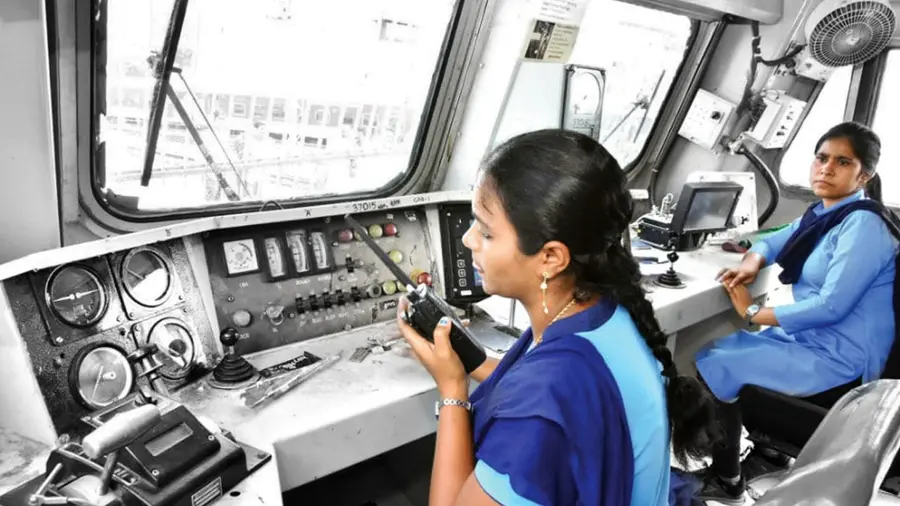
Inside a locomotive cab, conditions are far from humane. Temperatures soar to 60°C in peak summers and dip close to 4°C in winters. Wind seeps through door and window gaps. The constant hum of the engine isn't just background noise—it's deafening, reaching up to 98.4 decibels. That’s above OSHA’s safe limit for an 8-hour workday, and yet, pilots often work far longer shifts. “There are journeys where there’s no halt for over five hours,” says AILRSA in its press release. “Imagine doing that without a toilet, in scorching heat, fully focused, and still being told you’re the one at fault.”
For female pilots, the struggle is even more pronounced. Biological needs are being sidelined, with no toilets in the cab and no accommodations on long hauls. “It’s a health risk. It’s also inhumane,” a female pilot who wants to be unnamed, has been in service for over a decade.
The CVVRS Controversy
Further fuelling the discontent is the rollout of the Crew Voice and Video Recording System (CVVRS). Marketed as a safety tool, the system records both internal and external visuals inside the locomotive. Initially meant to help loco pilots monitor the train’s formation, it has morphed into a 24/7 surveillance mechanism. AILRSA and its members argue that the system, rather than preventing accidents, is being used to punish workers. “We’ve seen cases where pilots were pulled up for yawning or shifting posture. This is not safety—it’s surveillance,” says James. “There’s no proof that CVVRS improves safety, and operational data is already being recorded. Why monitor our every move?” They are demanding a rollback to the original CVVRS plan—external monitoring only, with internal footage accessed only by accident inquiry teams.
A recent proposal by the Railway Board has further stirred concerns. It seeks to redefine high-speed trains from those operating above 110 kmph to above 130 kmph. While it may sound like a technical adjustment, the implications are serious: many trains currently staffed by a pair of Loco Pilots (or Co-Pilots) could now be manned by a single Loco Pilot and an Assistant Loco Pilot (ALP).
“Running a train at those speeds demands shared decision -making, rapid reflexes, and constant alertness—especially on long, non-stop runs,” AILRSA warns. Removing Co-Pilots, they say, is a recipe for fatigue-induced errors and compromised safety. This isn’t just a gut feeling. Several past committees, including the High-Power Committee, have recommended that all trains above 110 kmph—and any journey lasting over four hours without a stop—must have Co-Pilots on board.
The 8- Hour Fight
The association has long been advocating for a reduction in duty hours, demanding an 8- hour cap on shifts. The reasons are rooted in science and human endurance. Long hours in extreme temperatures, high noise levels, and constant mental alertness lead to burnout and health issues, they say. Yet, pilots are often expected to go well beyond this limit without complaint. “This isn’t just about us. It’s about ensuring passengers reach their destination safely. You can’t expect someone who hasn’t eaten or used a toilet in five hours to give their 100 per cent focus,” says a pilot who recently worked a 12- hour stretch.
The struggle of loco pilots isn’t just a labour issue; it's a matter of human rights. At the very least, the people responsible for moving the nation deserve safe, humane working conditions. They deserve privacy, rest, basic hygiene, and dignity on the job. As trains thunder across the length and breadth of the country, the people behind the wheels are quietly calling for change. The question remains: will the system listen before the next accident, or after?



Related News
Dont Miss it








0 comments