

Crackdown on Dissent? The Rising Tide of Government Take down Notices in India

Anjali Ganga
Published on Mar 30, 2025, 11:16 AM | 5 min read
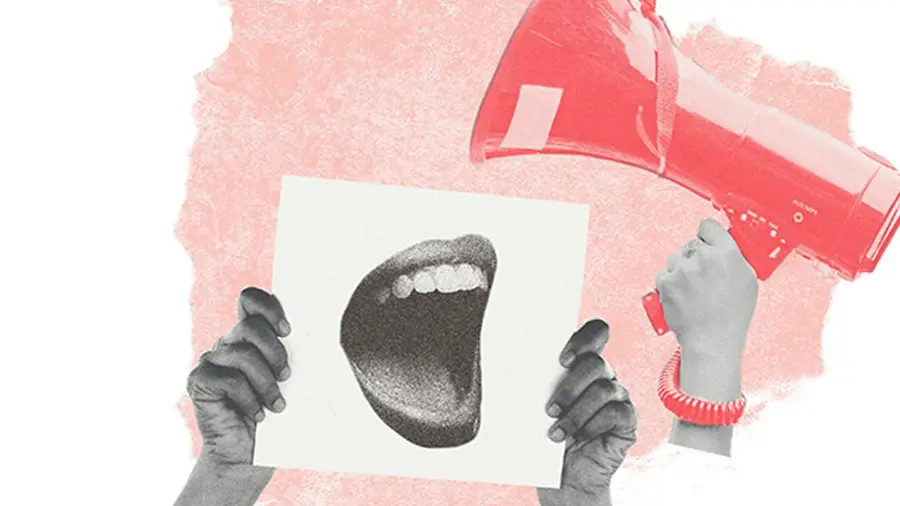
The digital age has ushered in an era of unprecedented free expression, enabling citizens to voice their opinions on social media without fear of censorship. However, in India, this freedom is facing increasing restrictions, with the government issuing a growing number of take down notices to social media platforms, particularly X (formerly Twitter). Alarmingly, recent reports suggest that nearly 30 per cent of these take down requests target posts mentioning Union Ministers and government agencies. This raises pressing concerns about government overreach, the suppression of dissent, and the future of digital democracy in the country.
The Mechanism Behind Take down Notices
Under the Information Technology (IT) Act, 2000, the Indian government has the power to order social media platforms to remove content deemed illegal or a threat to national security. These orders are issued through the Indian Cyber Crime Coordination Centre (I4C), primarily under Section 79(3)(b) of the IT Act. Unlike Section 69A, which mandates a structured and judicially reviewed process, Section 79(3)(b) allows direct intervention, bypassing traditional legal safeguards.
While intended to combat cyber crime and misinformation, these take down notices have increasingly been used to silence critics. The fact that nearly a third of them target content about government figures and agencies suggests that they may serve a political agenda rather than just a national security function.
The Sahyog Portal Controversy
To streamline content moderation, the government introduced the Sahyog portal, a digital tool under I4C meant to facilitate real-time take down requests between law enforcement and social media platforms. While authorities claim this portal enhances efficiency, critics argue it serves as a backdoor to censorship.
Tech giant X has refused to participate in the portal, citing concerns that it enables unchecked government control over online speech. By allowing authorities to demand content removal without proper legal oversight, platforms risk becoming extensions of state propaganda rather than neutral arbiters of public discourse.
Legal Battle: X vs. The Indian Government
In response to these aggressive take down orders, X has filed a lawsuit in the Karnataka High Court, challenging the Indian government’s actions as unconstitutional. The platform argues that these take down orders violate the landmark 2015 Supreme Court ruling in the Shreya Singhal case, which clarified that content could only be removed following proper judicial review.
By relying on Section 79(3)(b) instead of the legally structured Section 69A, the government is accused of creating a parallel content regulation system that lacks transparency and fairness. This case is set to be a critical test for the future of free speech in India, determining whether tech companies can resist political pressure or must comply with sweeping censorship demands.
The Broader Implications for Digital Rights
The Indian government’s approach to social media take downs reflects a larger global trend of increasing state control over online platforms. If left unchecked, such policies could lead to:
1. Self Censorship – Citizens may hesitate to express their opinions for fear of government retaliation.
2. Digital Authoritarianism – The government’s ability to dictate online discourse may erode democratic values.
3. Platform Compliance Pressure – Social media companies may be forced to prioritise government demands over users’ rights to free expression.
4. Erosion of Public Trust – Users may lose faith in digital platforms as spaces for open discussion.
The Way Forward
To balance national security with digital freedoms, experts suggest the following reforms: - Judicial Oversight- Take down notices should be subject to legal review before enforcement. - Transparency Reports - The government should publicly disclose the number, nature, and justification of take down requests. Platform Independence - Social media companies should have the right to challenge government directives. Public Discourse - A national conversation on digital rights should be encouraged to prevent government overreach.
During the farmers' protest, allegations arose against the social media platform X for taking down certain political posts. Later, X confirmed that these actions were carried out solely in compliance with executive orders. Additionally, several accounts were suspended during the protest in an effort to curb the intensity of public outrage. The ongoing legal battle between X and the Indian government should be seen as a demonstration of the tech giant's bargaining power in the electoral politics of the world's largest democracy. While X argues that it is protecting freedom of speech, this situation should be viewed through the lens of strategic influence rather than mere advocacy for free expression.
As India navigates the complexities of digital governance, the conflict between free speech and government control has become more pronounced. The legal battle between X and the Indian government is more than just a corporate dispute—it is a defining moment for the future of internet freedom in India. Will the courts uphold democratic values and protect free expression, or will regulatory overreach become the new norm? Only time will tell, but one thing is clear: the fight for digital rights in India is far from over.
Tags



Related News
Dont Miss it







0 comments