
Cinema
Santosh Blocked by CBFC: Censorship Overrules Critical Storytelling
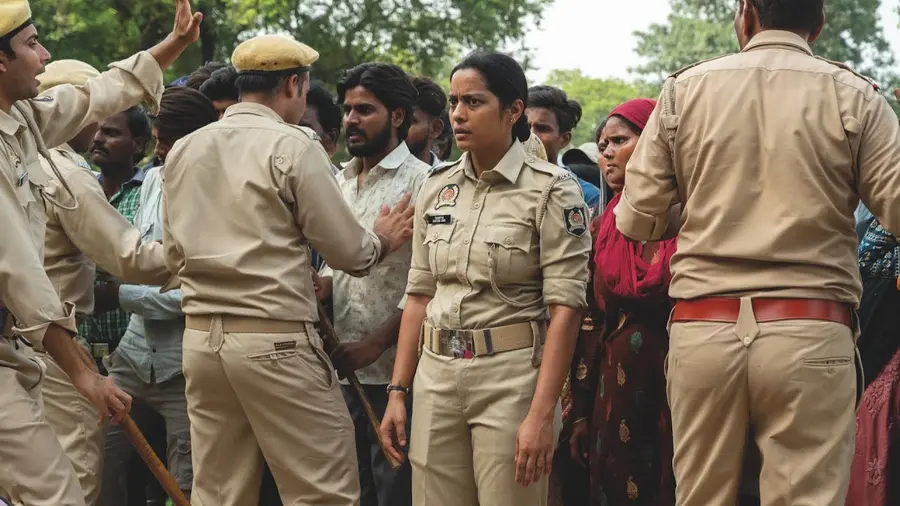
Image courtesy: Screenshot from the official trailer of Santosh

Web desk
Published on Mar 27, 2025, 07:07 PM | 3 min read
Santosh, a film that has earned global recognition, now faces a significant roadblock in India as the Central Board of Film Certification (CBFC) has denied its theatrical release. The board's decision comes after expressing concerns over the film's portrayal of issues such as misogyny, caste discrimination, and police brutality, which form the core of the narrative.
Directed by British-Indian filmmaker Priya Suri, Santosh is set in North India and follows the journey of a young widow who joins the police force. She investigates the murder of a Dalit girl, diving into systemic biases in law enforcement, the mistreatment of marginalized communities, and the widespread normalization of custodial violence. The film also tackles themes like rising Islamophobia and sexual violence, offering an unflinching look at these deeply rooted societal issue.
The film has been widely celebrated on the international stage. It premiered at the Cannes Film Festival, was chosen as the UK's official entry for the Oscars in the International Feature category, and received a British Academy Film and Television Arts (BAFTA) nomination for Best Debut Feature. Shahana Goswami, who plays the lead role, won Best Actress at the Asian Film Awards, and the film has earned praise from global critics for its raw and authentic portrayal of contemporary India.
However, in India, the ‘official’ response has been less favorable. The CBFC’s rejection of the film was particularly surprising to Suri, as the script had initially been submitted without issue. The film also had a distribution deal in place with one of the country’s largest cinema chains.
In a statement, Suri expressed her shock and disappointment, noting that the issues highlighted in Santosh are not unprecedented in Indian cinema. “We were all taken aback by the decision," she said. "I did not expect this level of resistance since these are topics that have been explored in other films."
The CBFC reportedly requested extensive edits, which would have required altering large portions of the film. Suri, however, stated that making these changes would have compromised the integrity of the story. “I tried to find a way to comply with their requests, but it became impossible to preserve the film’s core message while making the necessary cuts,” she explained.
Inspired by the 2012 Delhi gang rape case, also known as the Nirbhaya case, Santosh was developed in consultation with Indian NGOs to ensure its portrayal of social issues was both accurate and sensitive. Suri clarified that the intention behind the film was never to sensationalize violence but to offer a candid reflection of the challenges faced by marginalized groups in India.
The CBFC’s refusal to approve the film underscores the difficulties filmmakers face when tackling sensitive topics in Indian society. With no formal appeals process in place following a rejection, filmmakers like Suri have few options, often resorting to costly and uncertain legal battles. Though Suri has not ruled out pursuing this route, she remains committed to sharing Santosh with Indian audiences.
Despite the setbacks, Suri remains optimistic. "This film shows another side of India, but it is filled with humanity," she said. "Every project I have worked on has been deeply connected to India, and I believe Santosh is an essential part of the ongoing conversation about social justice and change." As of now, Santosh’s release in India hangs in the balance, with Suri determined to overcome the obstacles standing in the way of its cinematic journey.
Tags



Related News
Dont Miss it







0 comments