
Wild Elephants Trigger Panic in Kerala: Three Deaths in One Week

Web desk
Published on Apr 15, 2025, 04:49 PM | 3 min read
Thrissur: Kerala is nowadays facing the grim consequences of human-elephant conflict, with three people losing their lives in separate attacks within just two days. The latest tragedy unfolded early Tuesday near Athirappilly in Thrissur district, where a wild elephant fatally trampled two members of the Kadar tribal community — 34-year-old Satheesh and 30-year-old Ambika — as they were returning from the Vanchikadavu forest area. A day earlier, 20-year-old Sebastian, a tribal youth from the Adichilithotti settlement, was killed in a similar attack while collecting honey deep inside the forest.
In another incident on April 6 in Mundoor, Palakkad, 25-year-old Alan, a resident of Kayaramkodu, was fatally attacked by an elephant while returning home with his mother, who sustained serious injuries and is now undergoing treatment at Palakkad District Hospital.
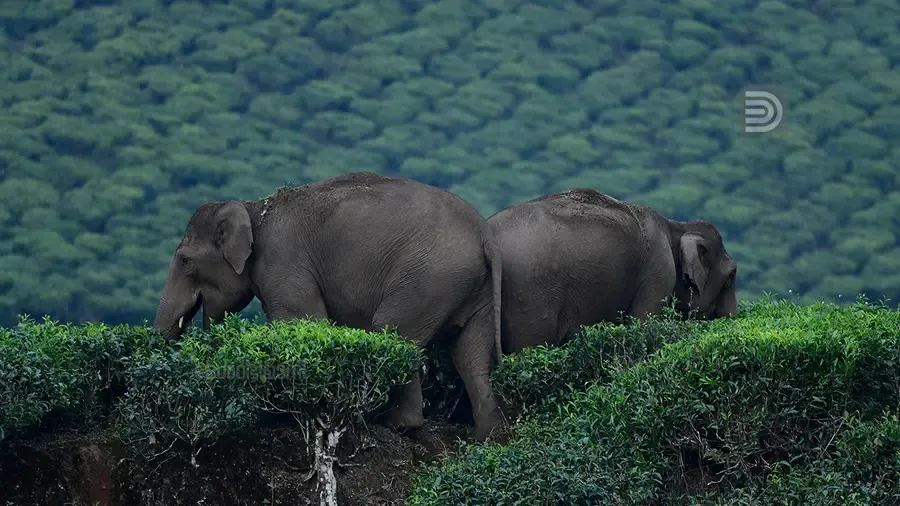
The situation is far from isolated. Back in February, four people were killed within 48 hours in Wayanad district in a series of elephant attacks, underscoring the severity of the conflict that continues to escalate across Kerala.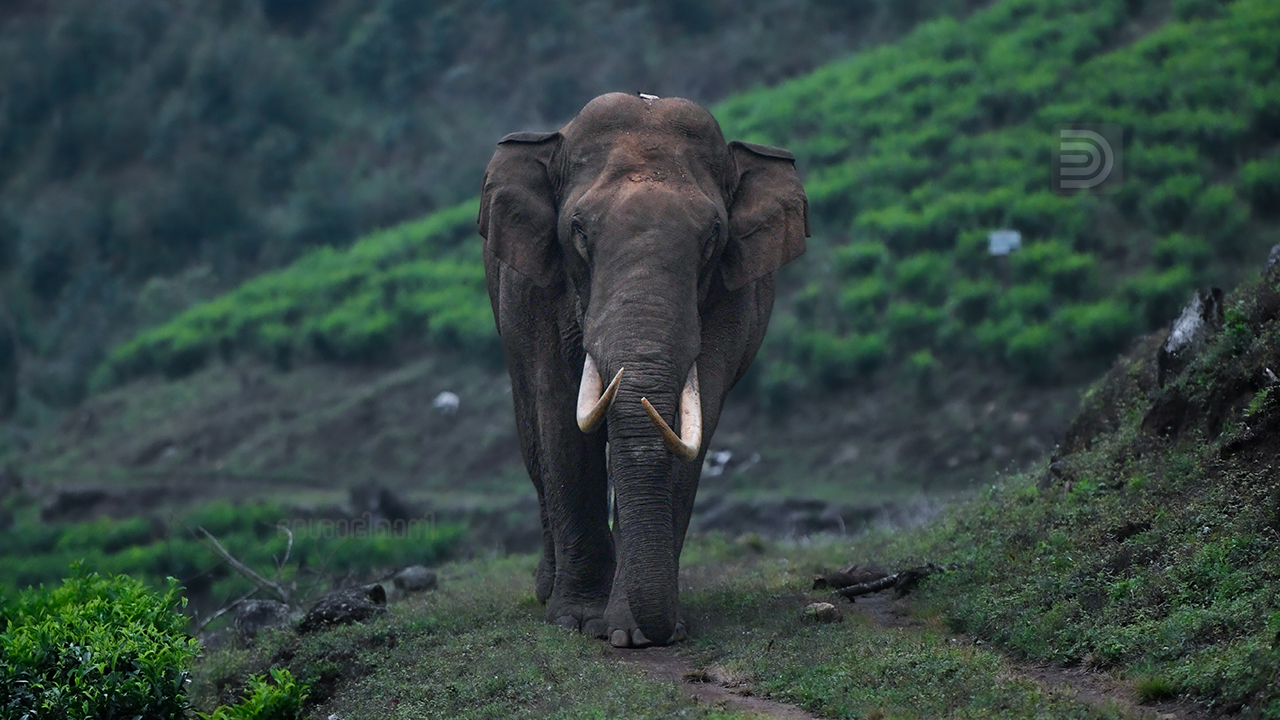
Wild elephants are now a common sight in many rural and tribal pockets, particularly in districts like Wayanad, Thrissur, Pathanamthitta, and Idukki. Kerala is home to an estimated 600 wild elephants — one of the highest concentrations in the country. Once symbols of grandeur and wilderness, these animals are increasingly seen as threats, pushing entire communities to live in constant fear.
The problem extends beyond Kerala. In neighbouring Tamil Nadu and Karnataka, similar patterns are being observed. Elephants are crossing into Kerala from drier regions of Karnataka in search of water, especially during the summer months. In Tamil Nadu, particularly in the Nilgiri district, herds have been spotted in areas like Coonoor, Mettupalayam, Marapalam, and Barliyar, with elephants regularly roaming along the Coonoor-Mettupalayam road.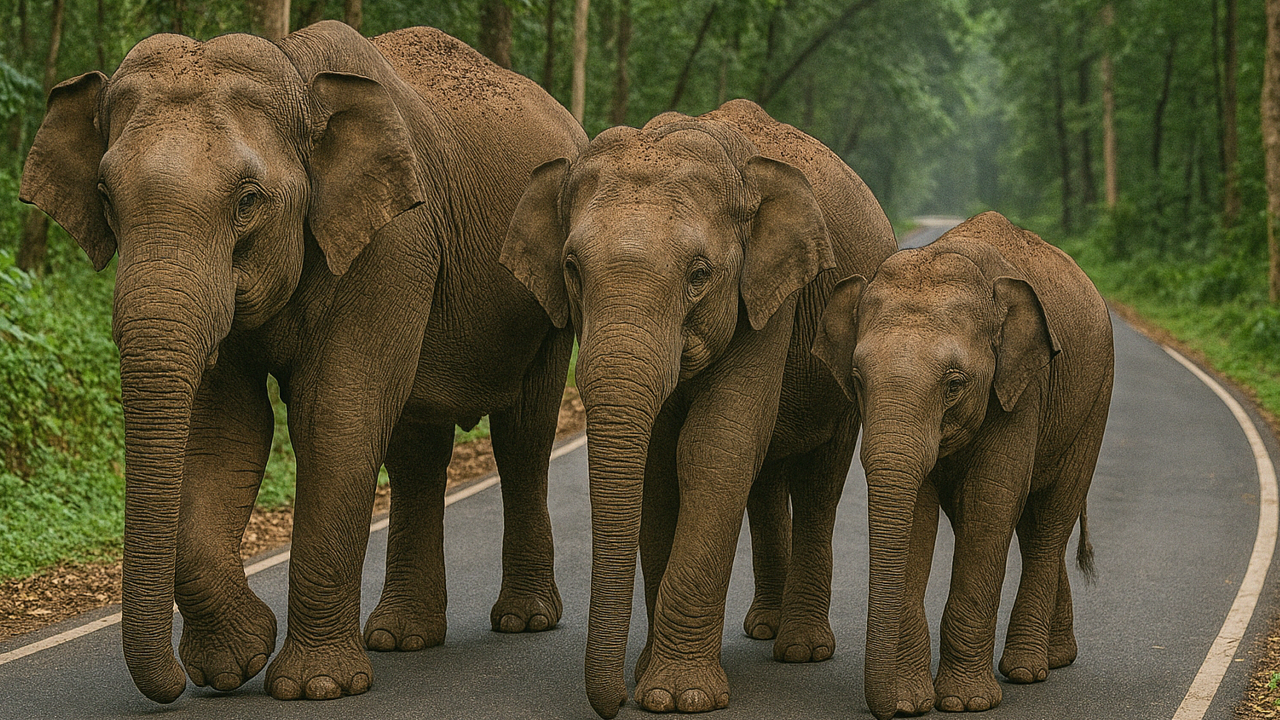
Experts say this migration is driven by the scarcity of food and water in the elephants’ natural habitats, worsened by the ongoing summer heat and seasonal attractions like roadside jackfruits. As forest capacity continues to shrink due to urban expansion, agricultural encroachment, and illegal logging, wildlife — particularly elephants, which require vast foraging grounds — is being pushed into human settlements.
Compounding the issue is the unsustainable growth of the elephant population. Although Kerala has over 600 wild elephants, their shrinking habitats have made human-elephant interactions inevitable. The Kerala Forest Department has reported a rise in elephants migrating into non-protected and inhabited areas.
To address the crisis, the Kerala Forest Department has ramped up preventive measures in vulnerable regions. These include solar-powered fencing, the deployment of additional Rapid Response Teams (RRTs), and the mapping of locations where elephants tend to camp. Authorities have also promised strict action against any negligence on the part of forest officials.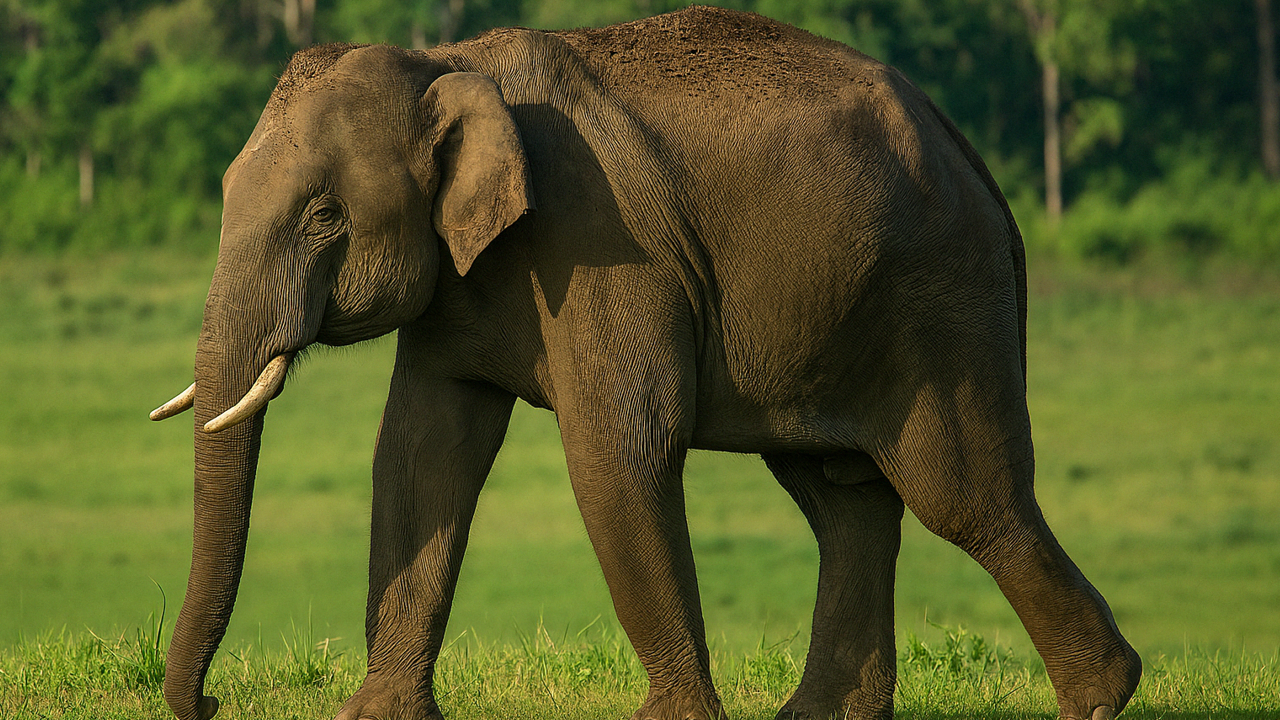
Technology is being increasingly used to monitor and respond to these conflicts. Drones and camera traps have been deployed to track elephant movement. Forest Minister A. K. Saseendran has announced the trial of a new AI-based smart fence project named ‘Ele-fence’ in Wayanad. If effective, it will be rolled out in other high-risk zones as well.
The preventive steps taken by the state are commendable. However, there also needs to be an active cooperation from the public. People should stay alert and follow the instructions given by the authorities. This shared responsibility is the key to managing the conflict and preventing further tragedies.



Related News
Dont Miss it










0 comments