
The River Turned Ruthless, the Land Collapsed, but Wayanad Chose to Rise, Rebuild, and Remember
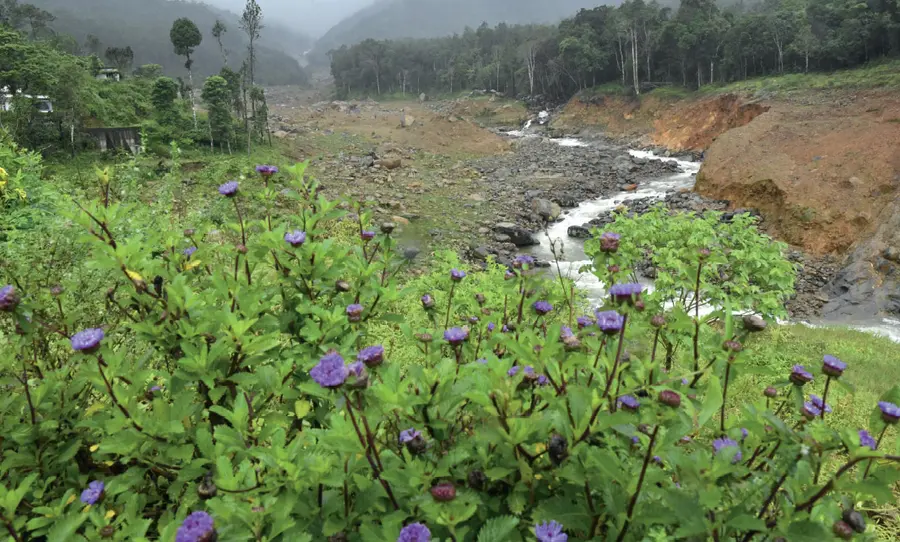
As the Mundakkai landslide marks one year, both nature and people are on the path to recovery. A view from Mundakkai Photo: Binuraj

Web desk
Published on Jul 29, 2025, 12:33 PM | 5 min read
Kalpetta: It was just past 11:30 PM on July 29, 2024, when a roar shattered the calm of Wayanad’s hills. Within minutes, the peaceful villages of Mundakkai and Chooralmala were swallowed by earth and water. Punchirimattam, once known as the “Smiling Slopes,” gave way in a devastating landslide that changed the landscape, and hundreds of lives, forever.
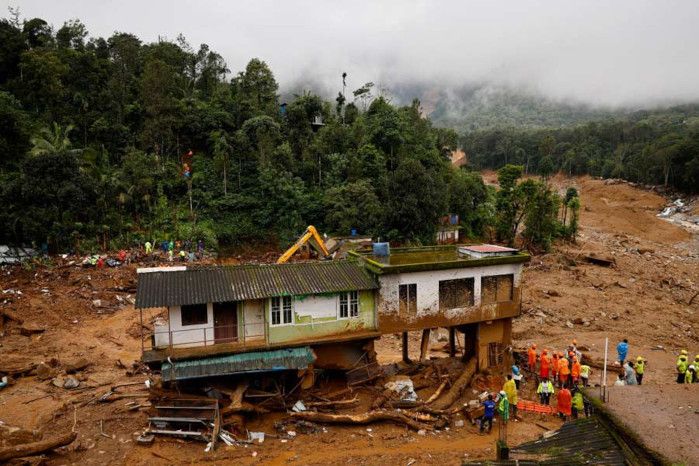
Punnappuzha, a river that had long nourished the region, turned violent and unforgiving. Mudslides engulfed homes. Massive boulders tore through walls. Entire families vanished in the night. By dawn, 298 lives had been lost. Infants were torn from their mothers. Schools and places of worship were buried under tons of debris. The air echoed with grief, those who remained were not just survivors; they were witnesses to unimaginable loss.
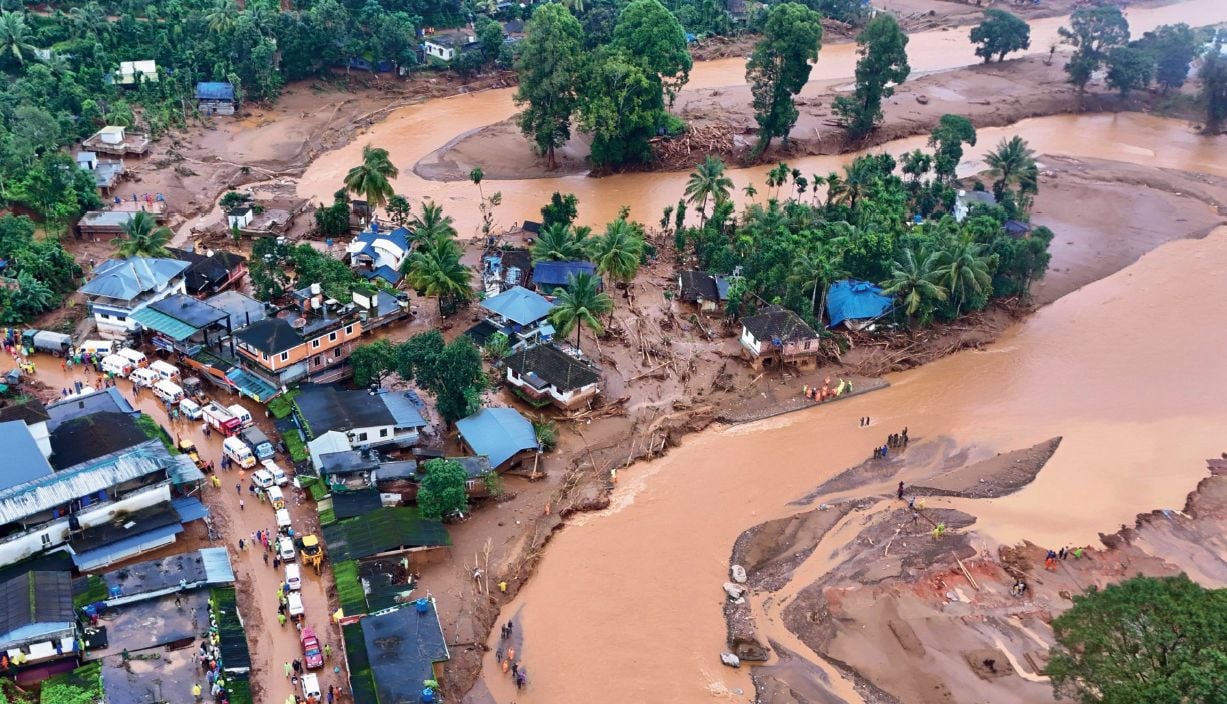
Yet, even as the mud settled and the rain persisted, Kerala did not wait. Within minutes, first responders reached the wreckage. Fire force, police, local volunteers, elected officials, and eventually the Army and NDRF all converged with singular urgency: to save whoever could still be saved.
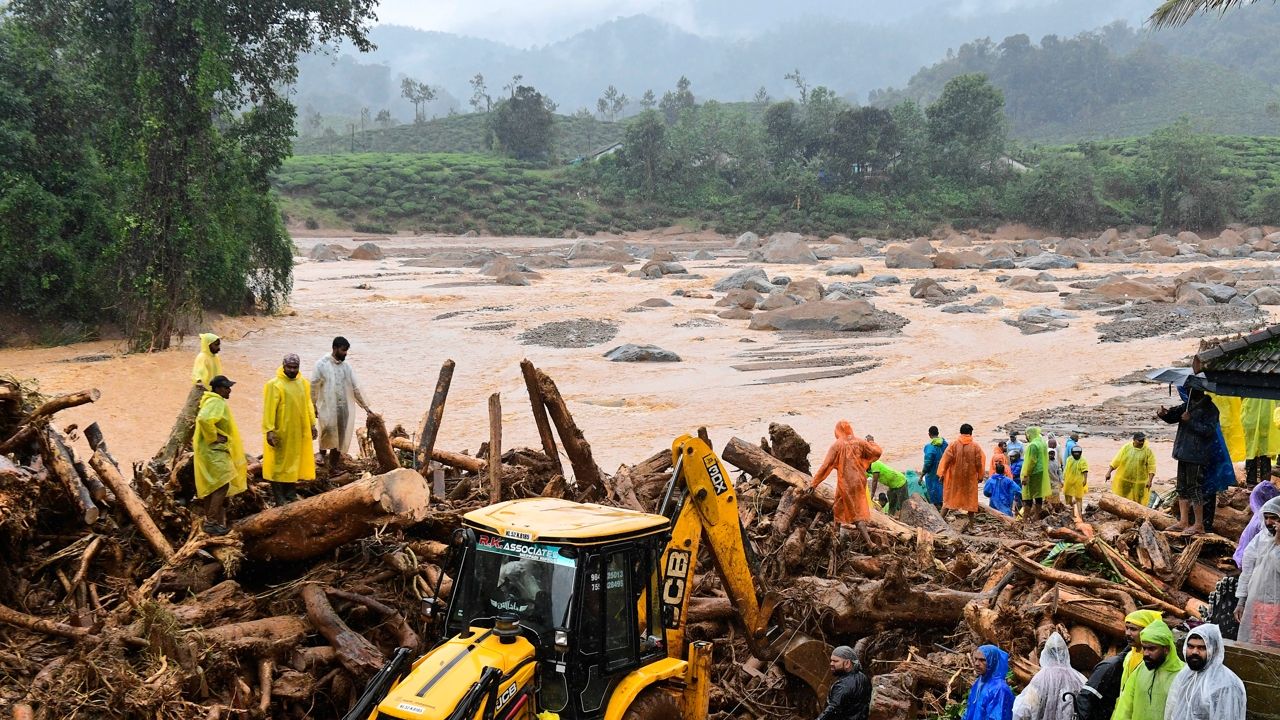
What followed was a rescue effort of rare scale and courage. More than 2,000 people were brought to safety. Through mud, flood, and falling debris, hundreds of rescuers trudged forward, lifting children, comforting the injured, digging with hands when tools failed. In many places, every second counted. Chooralmala was fully evacuated in a single day. Helicopters lifted people from isolated forest pockets. Makeshift bridges were thrown across fractured terrain. The Bailey bridge, built at record speed, would go on to become a lifeline, and a symbol of Kerala’s resilience.
This was no ordinary disaster response. The coordination, led from the front by Chief Minister Pinarayi Vijayan, turned chaos into order. Four ministers were stationed in the region. A special control room was opened in the Chief Minister’s office. For months, search teams scoured through layers of debris, looking for the missing, determined to bring closure to grieving families.
In the weeks that followed, a six-member expert panel led by former NCESS scientist Dr. John Mathai studied the collapse. Their findings were grim but clear: over 570 mm of intense, localized rainfall had loosened unstable slopes already weakened by unregulated development. In three key locations, debris dams had formed and burst, releasing destructive waves downstream. The team identified habitable ("Go Zones") and uninhabitable ("No Go Zones") areas to guide future reconstruction, and recommended long-term ecological safeguards.
As visuals of the disaster spread, national attention turned to Wayanad. On August 30, Prime Minister Narendra Modi visited the site. He was photographed holding a two-and-a-half-year-old girl, Naisa, a moment that went viral. “How compassionate,” many said.
But beyond the symbolism, nothing came.
Kerala submitted detailed damage assessments and memoranda, as requested by the Inter-Ministerial Central Team. But what followed was silence. Not a single rupee was allocated by the Centre. No emergency aid. No waiver of debts. Not even a symbolic gesture.
Union ministers later offered baffling justifications: hadn’t central forces been sent? Weren’t aircraft used? As if those were acts of charity, not basic duty. As if long-term rehabilitation, education, health, and housing for affected children like Naisa were luxuries. Even the recognition of the event as a national disaster came only after a High Court order. The message was unmistakable: eligibility did not mean empathy.
Abandoned at the Centre, Kerala turned inward, and upward. Without waiting for assistance, the state launched a model rehabilitation project. A sustainable township, based on global standards of safety and equity, began to take shape. The aim was not just to rebuild homes, but to restore dignity. To make displaced communities feel not forgotten, but prioritised.
At Vellarimala, the same breeze that once carried the stench of rot and ruin now whispers of resilience. Rebuilt schools echo with children’s laughter. Farmers return to cleared plots, reclaiming their livelihoods. Women draw water from clean tanks. The hills, though scarred, are healing.
 Chief Minister Pinarayi Vijayan during his visit to the Mundakkai disaster site. Minister Roshy Augustine seen nearby (file photo)
The Bailey bridge stands, not just as an engineering feat, but as a moral marker, proof that when governments stand by people, despair can be turned around.
Today, one year later, Wayanad lives. Grieves, yes, but also grows. The people of Mundakkai and Chooralmala carry wounds that may never fully heal, but they walk forward with uncommon strength. They do not smile because the pain has passed. They smile because they survived it.

Their story is not just one of tragedy. It is one of response, swift, coordinated, humane. It is a story of a government that showed up when it mattered, and a people who stood united when all else fell apart.
This is not merely a tale of disaster. It is the telling of a defiance: a people who refused to surrender to loss, who rebuilt with bare hands and broken hearts, and who proved that even on the edge of death, life can be reclaimed.



Related News
Dont Miss it






0 comments