
They Beat Us to Break Our Spirit, But We Fought Back” : T P Ramakrishnan Recalls the Emergency

Web desk
Published on Jun 25, 2025, 05:41 PM | 3 min read
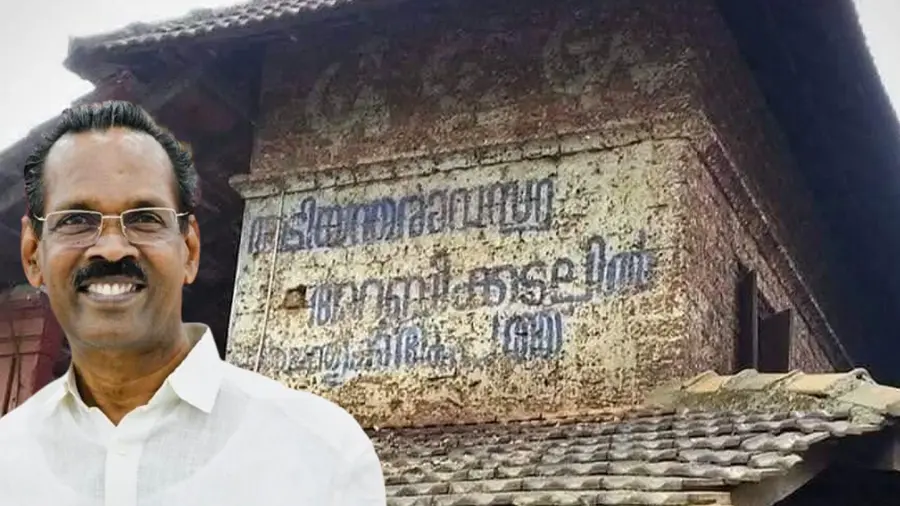
Thiruvananthapuram: As India marks 50 years since the declaration of the Emergency, LDF convener T P Ramakrishnan has shared a poignant memoir of arrest, custodial torture, and unbroken political will during that grim chapter of Indian democracy.
In a detailed recollection posted on the anniversary of the Emergency, Ramakrishnan recounts the events of August 16, 1975, when a strong protest was held in Chakkittapara against the authoritarian regime of Indira Gandhi. At the time, Ramakrishnan served as the local secretary of the Communist Party.
“When comrades who stood up against Indira’s fascism were arrested, we took it upon ourselves to help their families,” he wrote. Soon after, police raided the Perambra party office and arrested him. On February 26, 1976, he was placed in custody under degrading conditions, no food, no water, and only undergarments to wear.
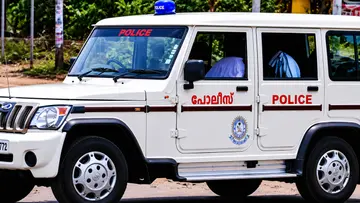
The days that followed were marked by brutal physical abuse, as police attempted to break his spirit. On February 28, a mob attack on the Kayyanna police station was used as a pretext to further target activists. The attack, which allegedly responded to Ramakrishnan’s earlier arrest, led to widespread raids across worker quarters in the Muthukad plantations. “The police were coercing workers into repeating their version of the incident,” he wrote.
On February 29, he and fellow detainee Narayanan Marar were taken to Kayyanna police station for questioning, and later to the Kakkayam Camp, a makeshift detention centre operating from an old KSEB work shed. There, conditions were appalling. “The drinking water came through a corroded iron pipe, the air was damp and heavy with decay,” Ramakrishnan remembered.
Inside a broken tent outside the station, infamous officers including Jayaram Padikkal, Lakshmanan, and Pulikkodan Narayanan led the interrogation. “We were beaten ruthlessly,” he said. Ramakrishnan, then a trade union secretary, and R Ravindran were both targeted for special brutality.
A particularly violent blow came when a police officer named Ratnavelu struck Ramakrishnan's spine with a heavy cane (karikkin thondi), pinning him against a wall. He collapsed unconscious. “Fluid filled my lungs and chest. My condition worsened quickly,” he wrote.
After several days, he was transferred to the Perambra lock-up in deteriorating health. There, quiet acts of solidarity helped him survive. Local party worker Kunjikkannettan, younger brother of martyr Comrade Choyi of Kalpathoor, delivered snacks laced with Ayurvedic pain -relief pills, as arranged by party leader Kannan Mash.
“In the quiet of the night, my co-prisoners would mix the crushed medicine with water and apply it gently across my bruised body,” Ramakrishnan wrote. “Their hands gave me relief. Their care gave me strength.”
Reflecting on those days, Ramakrishnan wrote:“Fifty years have passed, but the memories have not faded. Emergency was not only about the collapse of democracy, it was about attacking the human soul. We fought it. We survived. And we remember, not for vengeance, but for vigilance.”



Related News
Dont Miss it




0 comments