

Lights On, Always: Kerala’s Nine-Year Streak Without Power Cuts

Web desk
Published on May 13, 2025, 01:34 PM | 3 min read
Thiruvananthapuram: Kerala has completed nine consecutive years without a single scheduled power cut or load shedding—setting a national benchmark in power distribution and energy governance. This milestone reflects the state’s sustained pursuit of energy self-sufficiency and resilient infrastructure, powered by long-term planning and political will.
The transformation began in 2017, when Kerala became one of the first Indian states to achieve total household electrification, ensuring electricity access to every home across its urban and rural landscapes. Since then, the state's efforts have focused on securing uninterrupted power supply, improving infrastructure, and integrating renewable energy at scale.
From Frequent Blackouts to Grid Stability
Just a decade ago, Kerala faced regular power outages and a growing dependency on electricity imports from other states. The situation was dire during the tenure of the previous United Democratic Front (UDF) government, with energy projects stalled and infrastructure underfunded.
The turnaround came under the Left Democratic Front (LDF) government led by Chief Minister Pinarayi Vijayan, which prioritised completing critical power infrastructure projects. Among them was the Kochi–Idamalyar Power Highway, a long-delayed project abandoned during the UDF rule but executed successfully under the LDF. This significantly increased Kerala’s power import capacity, ensuring grid stability during peak demands.
Boost in Domestic Power Generation
One of the state’s major achievements has been the 1360.75 MW increase in domestic power generation—a result of revitalising stalled projects and investing in new ones. Notably, two major hydropower projects, Pallivasal (60 MW) and Thottiyar (40 MW), were completed after years of delay, contributing to an additional 179.65 MW of clean hydropower capacity.
Moreover, the state has dramatically increased its renewable energy capacity. From just 16.49 MW of installed renewable energy capacity in 2016, Kerala has now scaled up to over 1576 MW, driven by solar, small hydro, and wind energy projects.
Green Energy for the People
Kerala has also pioneered inclusive renewable initiatives. Under the Haritha Urja Income Scheme, 2,500 homes have been equipped with rooftop solar power systems, allowing households to use solar power for domestic consumption and feed surplus electricity back into the grid, generating a fixed monthly income.
In the social sector, the state has fully electrified cooking facilities in over 2,000 anganwadis by distributing induction cookers, further integrating electricity into grassroots services and reducing dependence on conventional fuels.
Financial Turnaround and Infrastructure Expansion
The Kerala State Electricity Board (KSEB), once burdened by debt, has now repaid all outstanding loans with interest and has begun recording an annual operational surplus of around 8 crore rupees.
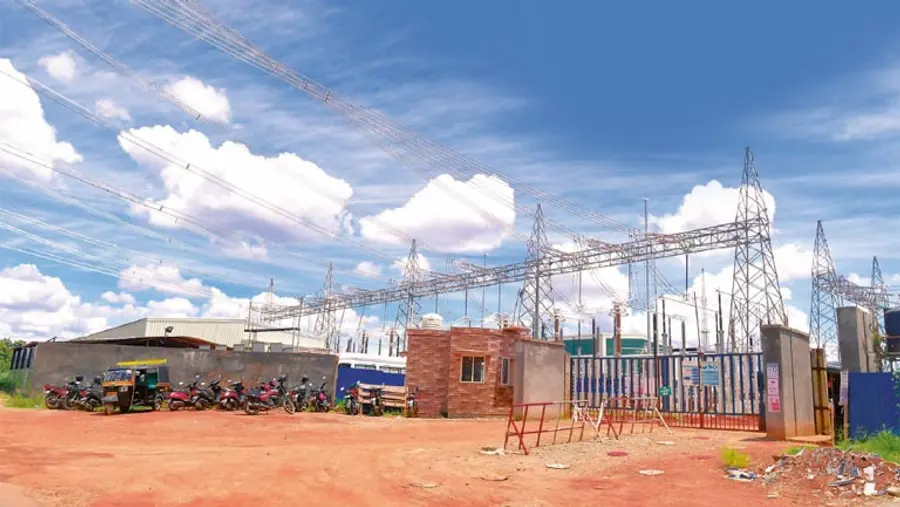
Infrastructure-wise, Kerala has completed over 100 new substations and implemented the ‘Transgrid 2.0’ project, aimed at upgrading transmission infrastructure with an investment of nearly 17,000 crore rupees. These upgrades are crucial for improving voltage stability and meeting the state’s growing demand, particularly in high-consumption urban regions and upcoming industrial corridors.



Related News
Dont Miss it










0 comments