
Kerala
Kerala Plans New Law to Tackle Human-Wildlife Conflict

Web desk
Published on Jul 05, 2025, 12:12 PM | 3 min read
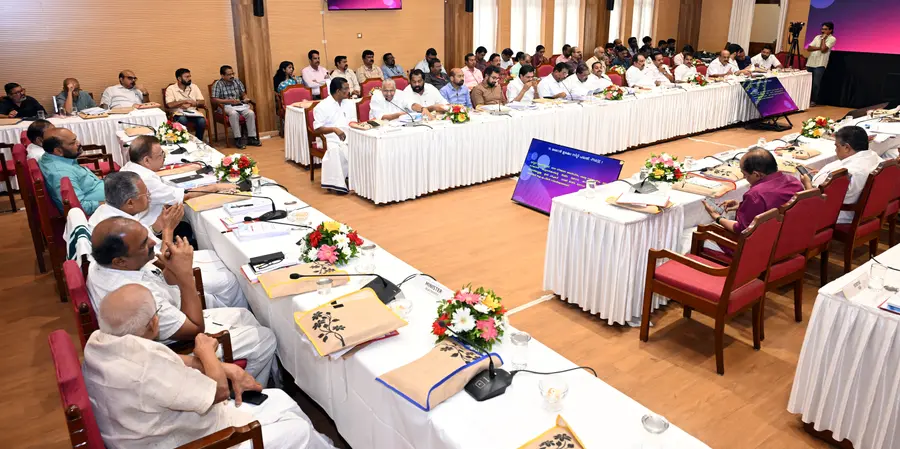
Thiruvananthapuram: Amid a growing crisis of human-wildlife conflict acrossKerala, the state government is moving to introduce dedicated legislation to manage and mitigate such incidents. The announcement came during a high-level meeting of Members of Parliament (MPs) and senior officials convened by Chief Minister Pinarayi Vijayan in Thiruvananthapuram yesterday on July 4, 2025 ahead of the Monsoon Session of Parliament.
The Chief Minister informed the gathering that a draft bill is under review by the Law Department to empower local authorities with better tools and legal clarity to act in wildlife-related emergencies. The legislation is expected to focus on conflict prevention, compensation, and rehabilitation for the affected, while also outlining procedures for handling problematic wildlife safely and lawfully.
Kerala has been witnessing an alarming increase in human-wildlife interactions, particularly in districts like Wayanad, Palakkad, Idukki, and Pathanamthitta. Wild elephants, wild boars, gaurs, leopards, and even tigers have increasingly encroached into human settlements, often leading to deadly encounters. Over the past five years, hundreds of people have died due to such conflicts, and thousands of hectares of farmland have been destroyed by wildlife, causing significant distress to farming communities.
Forest fragmentation, habitat loss, and crop patterns that attract wild animals are among the contributing factors. In Wayanad alone, there have been repeated incidents of elephants raiding villages, leading to property damage and fatalities.
Highlighting the limitations of current central legislation, the Chief Minister emphasized the need to amend the Wildlife Protection Act, particularly Section 11, which governs the handling of animals that pose a threat to human life. Kerala has called on the Centre to allow state governments greater discretion under this provision, enabling quicker interventions such as tranquilizing, relocating, or in extreme cases, culling of aggressive animals.
“The state’s ability to act is often restricted by rigid provisions. We are not advocating indiscriminate action, but we need flexibility to protect human lives and livelihoods,” Vijayan said.
The state also urged the Centre to ensure that the central share of compensation for victims of wildlife attacks is released without delays. Many families have reportedly faced bureaucratic hurdles in receiving ex-gratia relief for deaths, injuries, or crop loss.
The meeting called for a coordinated response involving the Forest Department, local bodies, and disaster management authorities, and stressed the importance of developing early warning systems, fencing vulnerable areas, and community education.
MPs present at the meeting agreed on the urgency of the issue and assured full support in Parliament to press for legal reforms and central assistance. They emphasised the need to treat the human-wildlife conflict not just as an environmental issue, but as a serious humanitarian and developmental challenge.
Officials noted that while emergency measures are essential, long-term solutions must include restoration of wildlife corridors, better land use planning, and scientific wildlife monitoring. The draft legislation under preparation is expected to address both immediate and systemic aspects of the crisis.
The meeting was attended by key ministers and 20 MPs, along with senior bureaucrats and wildlife officials. A final version of the bill is likely to be presented to the State Assembly in the upcoming sessions, marking a significant step in Kerala’s efforts to balance conservation with community safety.



Related News
Dont Miss it









0 comments