
Fact-Check: Is Kerala’s Public Health System Really in Decline?

Web desk
Published on Jul 02, 2025, 01:11 PM | 5 min read
Thiruvananthapuram: A Facebook post by Dr. Haris Chirakkal, a senior surgeon at the Thiruvananthapuram Medical College, has triggered an intense debate over the state of Kerala’s public healthcare system. In his post, Dr. Chirakkal flagged critical delays in surgical procedures and the unavailability of key medical equipment. He noted that repeated official requests had gone unaddressed for months, only to be resolved swiftly after his concerns were made public.
The post quickly went viral, giving rise to widespread commentary in the media and opposition circles that Kerala’s once-lauded healthcare system was in decline. The narrative rapidly shifted from a single hospital’s logistical failure to sweeping declarations about systemic collapse, with some claiming that the public sector under the Left Democratic Front (LDF) had deteriorated beyond repair.
Dr. Chirakkal, in later interviews, clarified that his intention was never to attack the health department or incite public unrest. He said his frustration stemmed from bureaucratic delays that were affecting critical care delivery. “I said what I did so that patients don’t suffer. But I admit that the way I said it might have caused some damage. I did not expect such a reaction, and I still deeply respect the Chief Minister,” he stated.
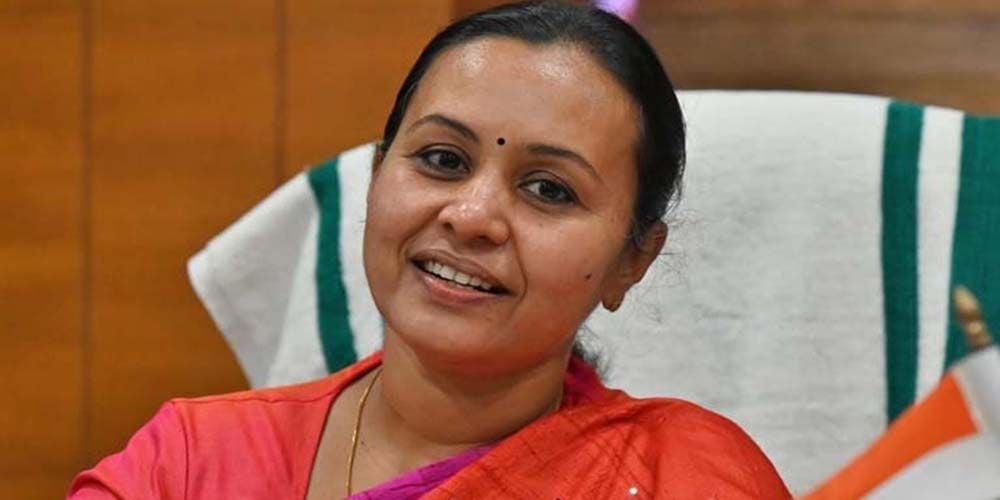
Health Minister Veena George responded by acknowledging Dr. Chirakkal’s sincerity and professionalism. She described him as “a hardworking and trustworthy doctor,” adding that his concerns were genuine and already being addressed. However, she warned against using isolated incidents to construct misleading narratives about an entire system. She argued that what followed Dr. Chirakkal’s post, particularly the media portrayal of a collapsing healthcare structure, was orchestrated propaganda that ignored facts, data, and long-term achievements.
According to the minister, Kerala’s health indicators have shown measurable and consistent improvement under the LDF. She cited significant progress in maternal and child health, including a drop in maternal mortality from 43 per one lakh live births in 2015–16 to 19 in 2024–25. The infant mortality rate declined from 12 to 6 per one thousand live births, while the neonatal mortality rate went from 6 to 4 during the same period. These improvements, she said, are the result of targeted policies, systemic investments, and a people -first approach to governance.
Veena George pointed out that access to free treatment had been radically expanded. Under the previous United Democratic Front (UDF) government, the annual coverage was limited to thirty thousand rupees per family. The LDF government raised this limit to five lakh rupees. State expenditure on free treatment has grown from just one hundred and fourteen crore rupees in 2015–16 to one thousand four hundred and ninety-eight crore rupees in 2024–25. Similarly, the number of families covered increased from twenty-eight lakh to forty -two and a half lakh.
Quoting National Sample Survey Organisation (NSSO) data, the minister said average medical expenses borne by families have fallen sharply. In rural areas, the average out -of- pocket expense was seventeen thousand and fifty -four rupees in 2016; by 2024, it had dropped to ten thousand nine hundred and twenty -nine rupees. In urban areas, the figures declined from twenty-three thousand one hundred and twenty-three rupees to thirteen thousand one hundred and forty rupees, a near sixty percent reduction.
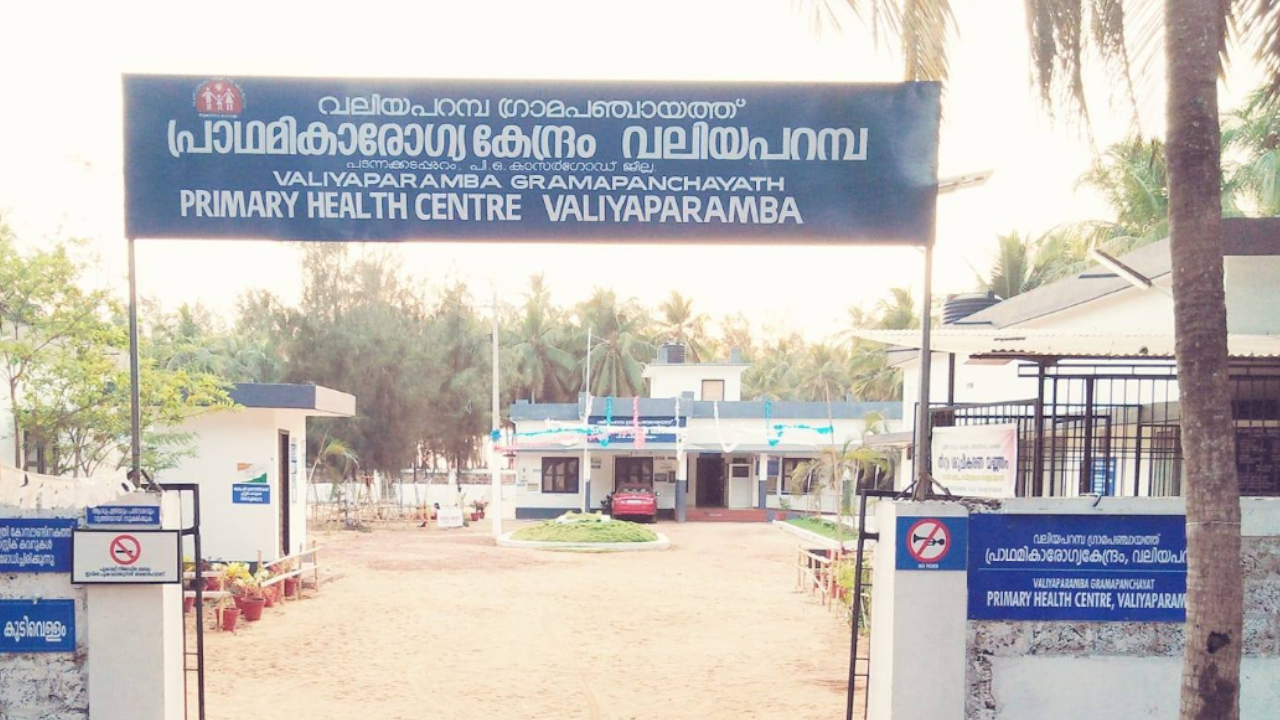
The government has also made visible structural changes. There were no family health centres during the UDF tenure; today there are eight hundred and eighty -five. People’s Clinics, which did not exist in 2015–16, have grown to five thousand four hundred and sixteen. Urban People’s Clinics now number three hundred and eighty. The e-Health project, which had zero institutional reach under the UDF, is currently active in seven hundred and sixty-two government establishments.
The minister also mentioned medical advances. Liver transplant surgeries, introduced under the LDF in 2022, have already seen ten successful procedures. Twelve cath labs have been established in district hospitals, none existed during the UDF era. Dialysis centres under the Directorate of Health Services increased from eight to one hundred and seven. By December 2025, dialysis units will be functional in all taluk hospitals.
Pinarayi Vijayan: “No One Claims Perfection, but Twisting Lapses into Collapse Is Dishonest”
Chief Minister Pinarayi Vijayan also addressed the issue publicly. He defended the state’s health sector as one of the most advanced and responsive in the country, citing its consistent national and international recognition. He described Dr. Chirakkal as a sincere and incorruptible public servant, but warned that even well- intention remarks could be used to misrepresent the reality.
“He is a sincere government employee, free of corruption and deeply committed to his duty. Despite this, he has now inadvertently become the reason for misrepresenting what is arguably the best healthcare system in India. It is unclear whether this was his intention. Still, this incident should serve as a lesson for all of us,” the Chief Minister said during a public event in Kannur.
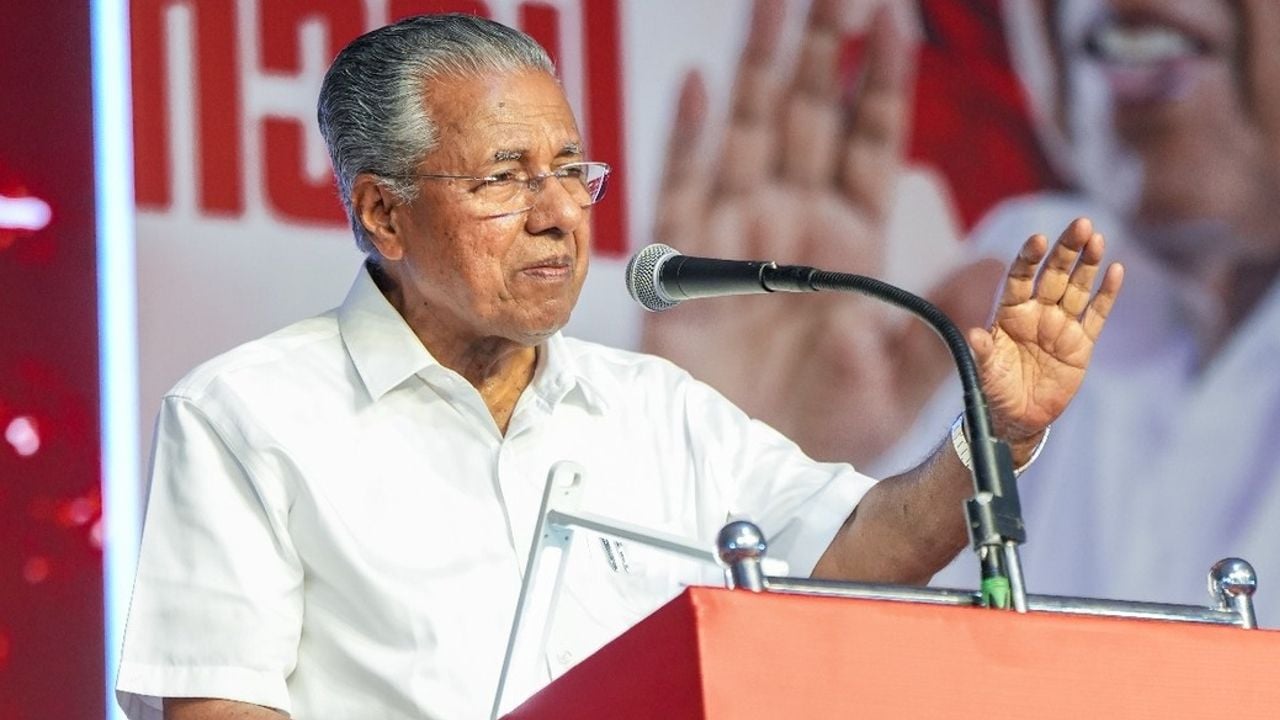
Pinarayi Vijayan acknowledged that public hospitals, especially large ones, may occasionally face equipment shortages or procedural delays. But these are not indicators of collapse, he said, rather, they are temporary and quickly corrected. He criticised what he called a deliberate attempt by sections of the media and political opposition to sensationalise isolated lapses and undermine public confidence.
Kerala’s health sector, he emphasised, has grown through sustained policy interventions, increased budget allocations, and a public welfare -driven vision. “No one claims perfection, but to twist occasional lapses into a narrative of total failure is dishonest,” he said.
The controversy triggered by Dr. Chirakkal’s Facebook post has once again brought Kerala’s health system into the national spotlight, not for its failures, but for the strength of its response. While challenges remain, the data presented by the state government, and its readiness to accept and address criticism, reflect a healthcare model that remains accountable, transparent, and fundamentally committed to its people.
Tags



Related News
Dont Miss it






0 comments