
From Waste to Wealth: How Kerala’s Women Are Redefining Recycling

Anjali Ganga
Published on Oct 02, 2025, 06:01 PM | 6 min read
Thiruvananthapuram: Nine years ago, if someone had asked the people of Kerala how the state would deal with its mounting waste, few would have had an answer. Waste piled up in corners, and once one person threw something down, others followed without a second thought. The habit was so common that it passed without notice.
Today, that picture is changing. Streets are cleaner, and awareness about the consequences of littering has taken root. This shift did not arrive by chance, it came through years of organised effort and the unrecognised labour of ordinary workers.
The turning point came in 2016, when the Government of Kerala, through the Local Self-Government Department (LSGD), launched the Haritha Keralam Mission as part of the wider Nava Kerala Mission under Chief Minister Pinarayi Vijayan. Its goals were broad but clear: to create a cleaner and more sustainable state by improving sanitation, conserving water, managing waste, and supporting agriculture. What seemed ambitious on paper began to touch everyday life once LSGD anchored the work at the level of local bodies, ensuring that waste management was not left as an abstract policy but became a lived practice in towns and villages.
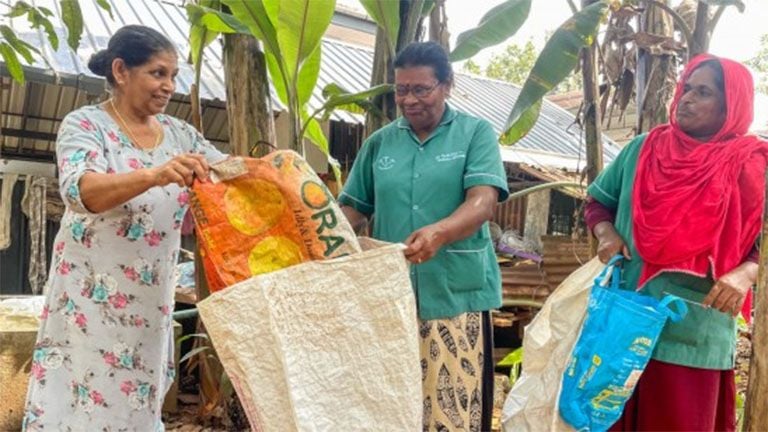
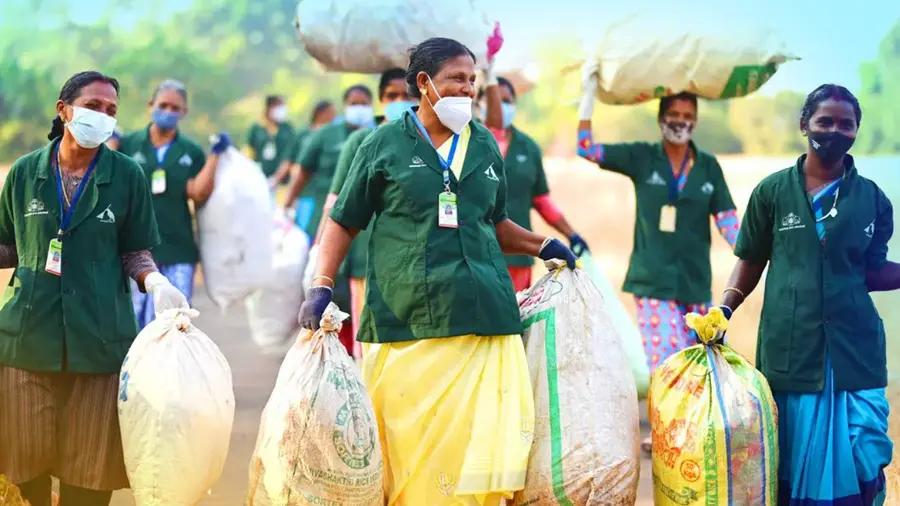
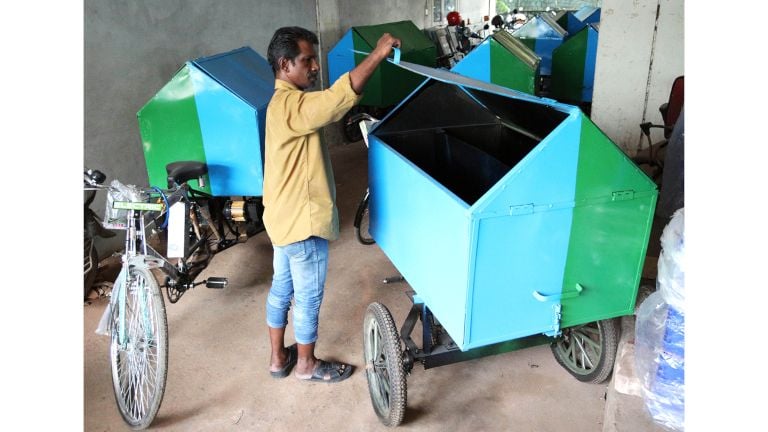
At the heart of this effort stand the Haritha Karma Sena. These are the workers, mostly women, who visit households across Kerala to collect plastic, glass, footwear, cloth, electronics, and other non-degradable waste. They follow fixed schedules, maintain records, and collect a modest user fee. It is difficult work: door -to -door visits, carrying heavy loads, and sorting piles of waste. Yet without it, the system would collapse. Their labour, often unseen and rarely celebrated, forms the backbone of Kerala’s waste management story.
Kerala has tightened laws to back this effort. Throwing waste in public or private spaces now attracts fines of up to 5,000 rupees. More serious violations can cost 50,000 rupees or even bring a jail term, while dumping into rivers or lakes carries penalties as high as one lakh rupees. Offenders can be reported by citizens through WhatsApp, sending photos or videos to the Local Self- Government Department. These measures fall under the “Malinya Muktham Nava Keralam” campaign, which aims to make the state garbage- free by 2026.
The numbers show the weight of the work. In the past year alone, Haritha Karma Sena workers collected more than 50,000 tonnes of inorganic waste and handed it over to the Clean Kerala Company. Over 35,000 women, spread across more than 4,400 units, have taken part. Together, they earned 341 crore rupees as user fees and another 7.8 crore rupees for delivering sorted waste.What was once a chaotic mix of plastic, paper, and e-waste now finds its way to Material Collection Facilities (MCFs), where it is sorted and sent to Resource Recovery Facilities (RRFs). From medicine strips to broken glass, each category of waste is collected on a scheduled basis—monthly, quarterly, or annually—ensuring systematic disposal and recycling.
Behind those figures lie long hours of walking streets, knocking on doors, and lifting sacks, labour carried out by women whose work has slowly turned into a public service system. From the plastic gathered from households, 3,709 metric tonnes of shredded microplastics have been produced and used in the construction of 6,473 kilometres of roads across Kerala.
Beyond collection, many Sena units now run small enterprises. They operate more than 200 cloth bag units and over 500 paper bag units, drawing income from recycled waste. What began as waste management has grown into income generation. In this way, the Sena has turned an environmental struggle into a chance for working women to earn and support their families.
To strengthen this effort, the LSGD, with support from the Kerala Solid Waste Management Project, has started an Entrepreneurship Development Project. Its purpose is to help waste collectors become small business owners, giving them independence and better earnings. Plans include 186 new enterprises across 93 municipalities, involving more than 7,000 workers. Over 24 crore rupees have already been secured, and training is being given in both technical and business skills. The focus is clear: to turn women’s labour into stable livelihoods and community wealth.
Technology is also entering the system. The Haritha Mithram 2.0 app now allows people to pay fees online, request special pickups, and receive reminders about collection. Linked with the KSMART system, it maps every household and ensures that no one is left out. Apartment complexes and industrial units can receive single bills, while individuals can request extra collections. For Haritha Karma Sena workers, the app promises less confusion over payments and better transparency. Training has been provided so they can use the system with confidence.
Even as solid waste management becomes more stable, new challenges are being faced. Sanitary and liquid waste remain harder to process. To address this, four regional treatment plants with a combined capacity of 120 tonnes a day are being set up, enough to handle the state’s daily sanitary waste. Local Self- Government Minister M B Rajesh has said that while liquid waste will take longer to manage, the state is determined to build complete facilities.
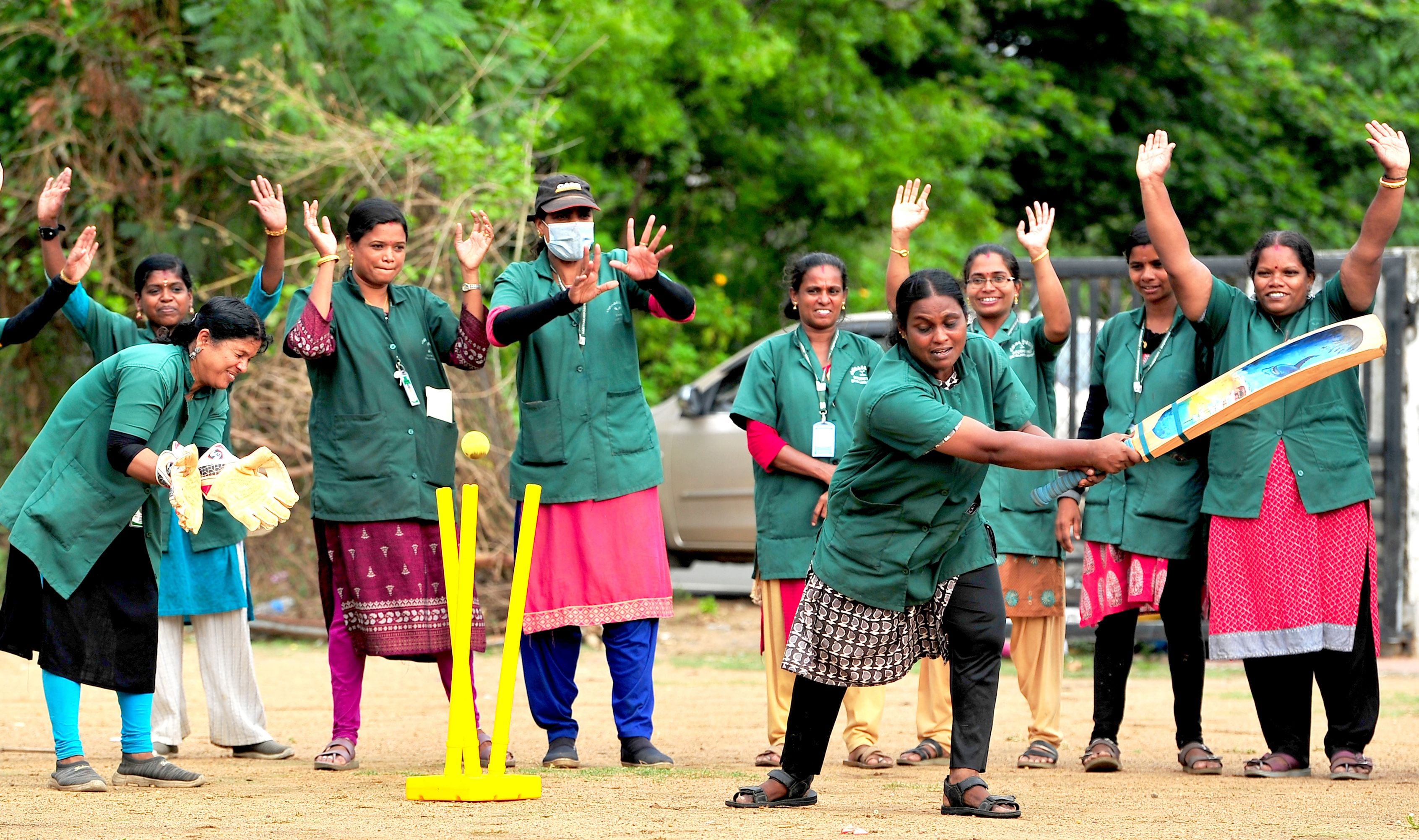
What sets Kerala apart is not only its rules or technology, but its workforce. The Haritha Karma Sena is a decentralised programme under the LSGD that has brought thousands of women into a new form of labour, one that combines environmental service with community employment. For many, it means a steady, if modest, income. Wages vary: some earn less than 5,000 rupees a month, many earn between 8,500 and 12,500, while a small group earns higher sums through stronger operations. A festival bonus, raised to 1,250 rupees in 2025, adds to their earnings. While income gaps remain, the work has created jobs in villages and towns where options were few, especially for women.
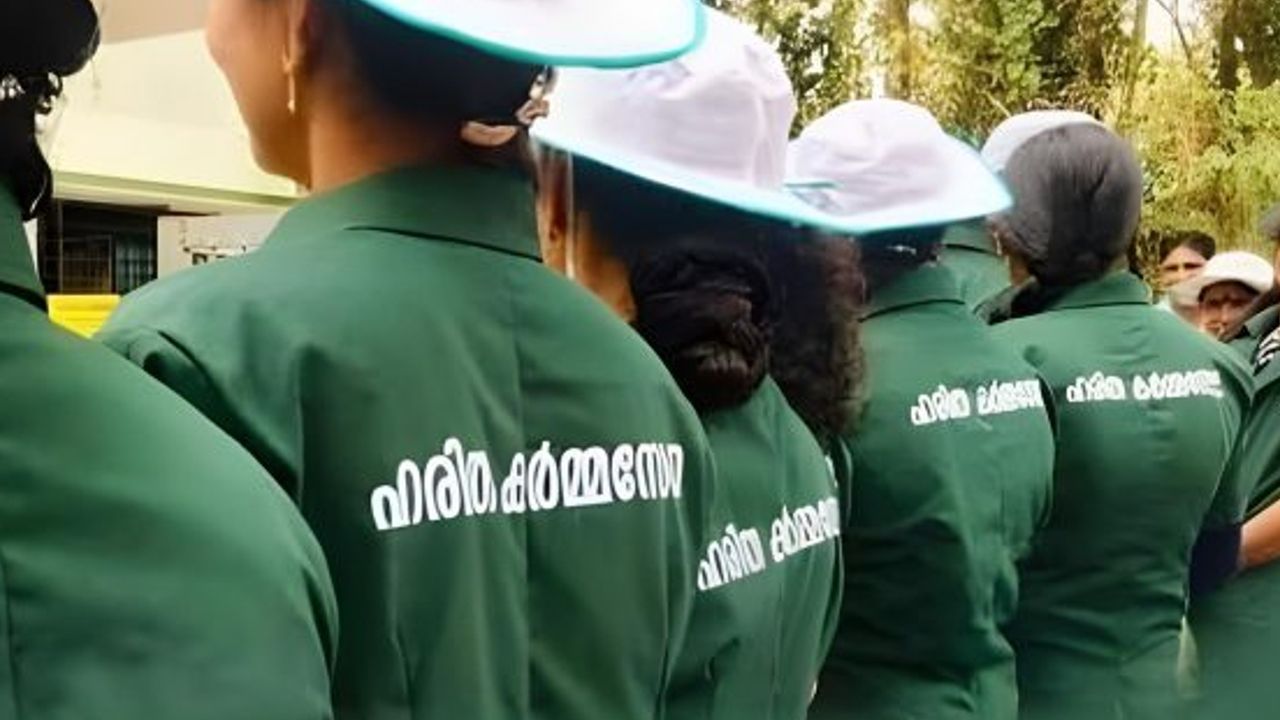
Kerala’s waste story is, in the end, a workers’ story. It belongs to the women who walk from house to house, carrying bags of waste, sorting it by hand, and making sure it reaches the right place. Their work is not glamorous, but it is steady, and it has turned the state in a new direction. If Kerala does reach its goal of becoming garbage- free by 2026, it will not be because of high -level policy alone. It will be because of the labour of those who, often unseen, do the daily work that keeps the system alive. This is what makes the Haritha Karma Sena not only the hands behind a clean Kerala, but also a symbol of how decentralised labour, when supported by the state, can reshape society itself.



Related News
Dont Miss it






0 comments