
General Education & Skill Development
Kerala’s Government Schools Lead the Way in Future Skills Training

Anusha Paul
Published on Sep 25, 2025, 05:23 PM | 4 min read
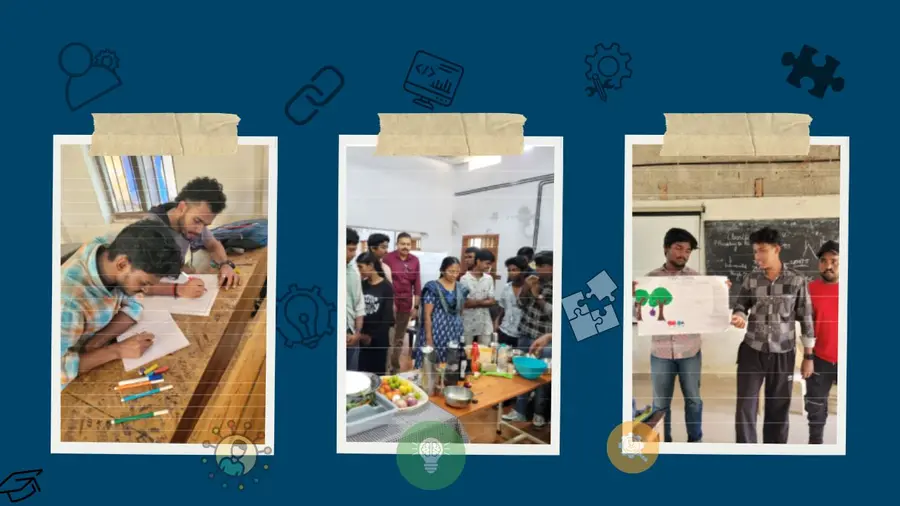
Alappuzha: In classrooms once reserved for traditional academics, students now repair drones, design hydroponic gardens, and simulate cloud networks. These are not scenes from a private institute or an urban university — they are unfolding across government schools in Kerala, where over 9,000 students are being trained in cutting-edge skills, free of cost.
Under the General Education Department’s ambitious plan to integrate vocational training into the school ecosystem, 210 Skill Development Centres (SDCs) have been established across the state as part of the Samagra Shiksha Kerala – STARS project. These centres are the hubs for hands-on skill training across sectors as diverse as modern agriculture, electronics, automotive engineering, media, health, and cloud computing.
The initiative, launched in 2024, is designed to prepare students for employment. It aligns with the National Skills Qualification Framework (NSQF), ensuring that training is standardised and certifications are recognised nationally. The vision driving this effort is to transform Kerala from a knowledge society into a knowledge-based economy by nurturing a skilled, future-ready workforce.
The program began with 14 centres and 28 batches that have scaled remarkably in less than a year. In the pilot phase, 654 students completed their training, of whom 263 secured employment in related industries. This positive response led to the current expansion, covering 420 batches across 210 centres. With a maximum of 25 students per batch, a total of 9,364 youths are now enrolled in the programme.
The selection of candidates is based on academic scores and personal interviews, with care taken to uphold reservation norms. Students aged between 15 and 23, including those from marginalised communities, Below Poverty Line (BPL) families, school dropouts, and those with disabilities, are eligible to apply. The training is conducted outside regular school hours — primarily on holidays — to avoid disruption to regular education, and the course duration spans one full academic year.
Each centre has been allocated a grant of Rs. 21.5 lakh under the STARS project. Of this, Rs. 11.5 lakh is earmarked for infrastructure development, including the setting up of labs and workshops specific to each job role. The remainder is used to procure learning materials, tools, and equipment, and to engage qualified trainers.
The training model is heavily practice-oriented. In addition to classroom instruction, students undergo On-the-Job Training (OJT), attend expert lectures, and participate in internships and field visits. This immersive structure is made possible through partnerships with public sector units, cooperative institutions, and private firms across Kerala.
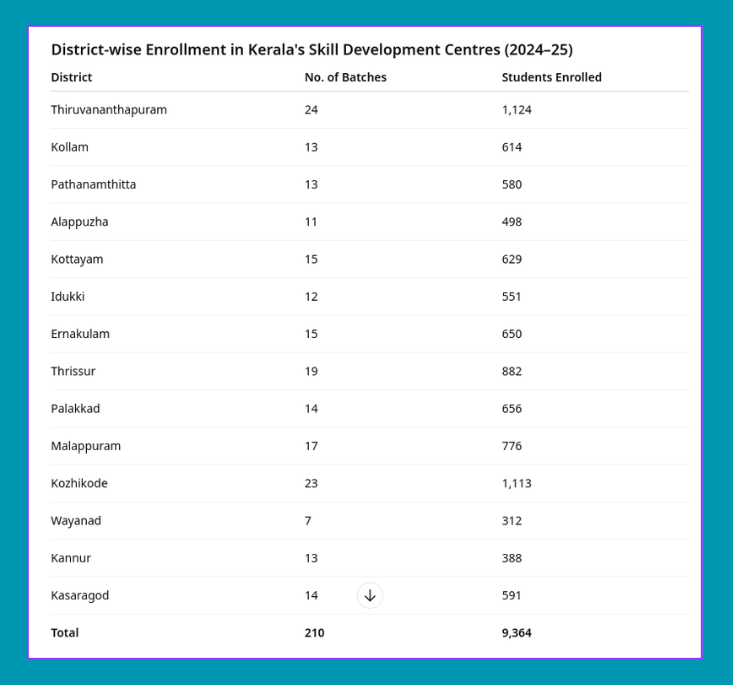
The students include both urban and rural participation. Kozhikode and Thiruvananthapuram account for the highest enrolment, with 1,113 and 1,124 students respectively. Malappuram has 776 students enrolled, while Thrissur follows closely with 882. Alappuzha, where 11 batches are operational, has trained 498 students. Smaller districts like Wayanad and Kasaragod have also reported strong participation, with 312 and 591 students respectively.
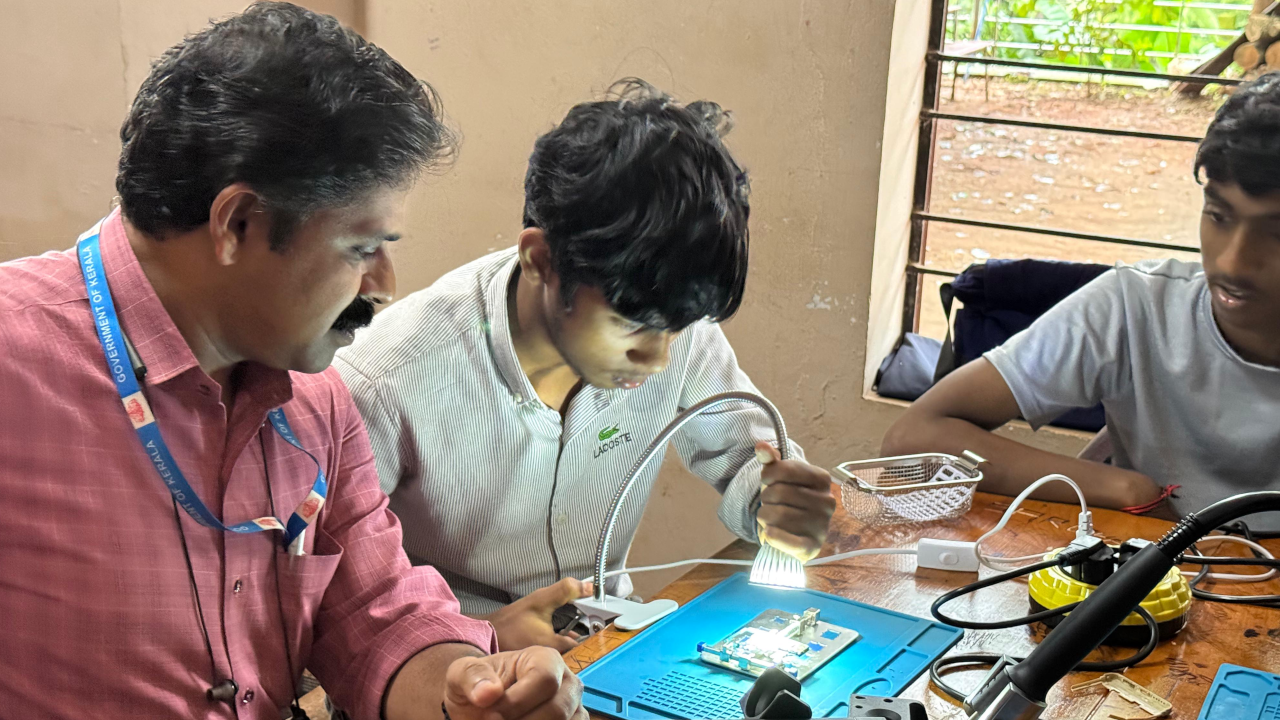
In agriculture alone, students can now train as hydroponics technicians and plant tissue culture specialists. In electronics, modules include drone servicing and mobile hardware repair. In IT and telecom, students are introduced to artificial intelligence, cloud analytics, and IoT systems. The curriculum is curated with input from industry experts and adheres to national occupational standards.
There is no tuition fee for it and certification is managed by the Commissionerate of Vocational Higher Secondary Education and is valid under the National Qualification Register. While official reviews are still ongoing, anecdotal evidence from the pilot phase suggests the programme is already impacting lives. Many of the 263 students who found employment after the first cycle are now working in service centres, tech workshops, hospitality units, and cooperative societies. Encouraged by this response, the state is reportedly considering further expansion of the model in the 2025–26 academic year.



Related News
Dont Miss it








0 comments