
Kerala Provides 8,000 Crores Worth of Free Healthcare in Five Years

Web desk
Published on Nov 11, 2025, 07:10 PM | 2 min read
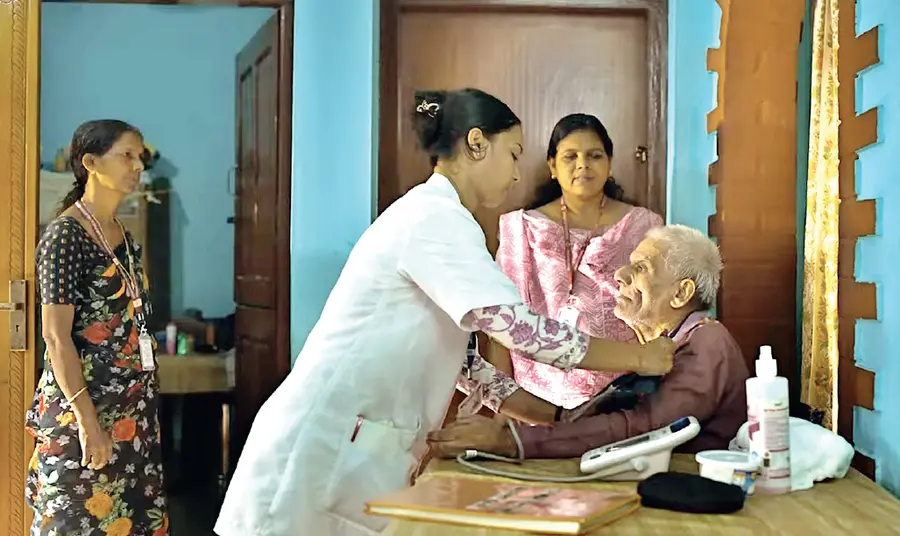
Thiruvananthapuram: For those who often criticise Kerala’s public healthcare system, the government has offered a clear response, facts that speak for themselves. Over the past five years, the state has provided free medical treatment worth 8,000 crore rupees, averaging 1,600 crore rupees every year.
Since assuming office during the second wave of the COVID-19 pandemic, the second LDF government has overseen healthcare development works worth more than 10,000 crore rupees across hospitals, supported by KIIFB funding. Kerala has also consistently received the Aarogya Manthan award for excellence in free healthcare delivery.
The state’s flagship Hridyam project has ensured that around 1,000 children received free heart surgeries, while seven economically deprived patients underwent life-saving organ transplants at no cost. Treatments that would normally cost lakhs of rupees in the private sector are now being made available free of charge or at highly subsidised rates. From primary health centres to medical colleges, Kerala’s healthcare network continues to stand as a robust and accessible system serving all sections of society. Even journalists from leading publications have acknowledged the transformation. T B Lal, a reporter with Malayala Manorama, recently shared his own experience at the Urban Primary Health Centre in Rajaji Nagar, Chenkalchoola, Thiruvananthapuram. He described how, after experiencing a bout of dizziness, he received immediate and organised care. His blood pressure was checked on arrival, and he was quickly guided to the doctor. Registration required nothing more than his phone number, as his details were already available through the State Digital Health Mission’s eHealth archive, a record built during his previous COVID-19 treatment at Thiruvananthapuram General Hospital. The doctor prescribed an injection and a blood test, both of which were completed within the same building. In just half an hour, the test results were ready. Reflecting on the experience, Lal wrote that he felt a deep sense of relief and dignity, the feeling of receiving the healthcare he rightfully deserved as a citizen. He also praised the cleanliness of the centre and the compassion shown by the doctors, nurses, and staff. His account mirrors the experiences of countless others who have found comfort and confidence in Kerala’s public health network. The numbers, stories, and lived experiences together affirm one thing: Kerala’s commitment to universal healthcare is not merely a policy promise, it is a reality that continues to bring relief and reassurance to thousands every day.



Related News
Dont Miss it







0 comments