

Coastal Mining in Kerala: Development or Devastation? Mounting Concerns as Private Monopolies Threaten Kerala's Marine Wealth

C P Anusree
Published on Feb 16, 2025, 10:15 PM | 4 min read
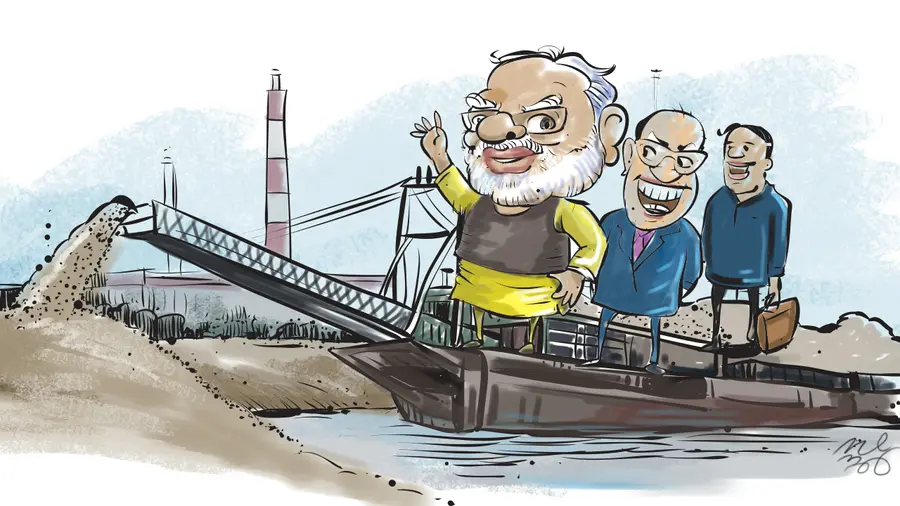
Thiruvananthapuram: The Central Government's order granting permission for deep-sea mining to private monopolies, along with related developments, has generated significant anxiety within Kerala's coastal community, particularly among fisherfolk. These actions have disturbed not only the fishers, whose work is inherently perilous, but also thinking citizens across various social strata.
The principal criticism revolves around the Offshore Areas Mineral (Development and Regulation) Amendment Bill, 2023. Essentially, this bill centralizes the ownership of the nation's, including Kerala's, offshore mineral resources under the Central Government. Undeniably, this opens the door for private corporations to accumulate excessive profits from the abundant mineral deposits on our outer continental shelf.
The current legal framework, which allows the allocation of deep-sea mining rights to private companies through an auction process, is a result of amendments made to the original 2002 Act (revised in 2010 and again in 2023). While the Central Government claims these revisions, following the 2015 amendment to the 1957 Act, are merely aimed at increasing transparency and attracting multi-billion-rupee developmental projects, these claims must be critically examined in light of past experiences.
Historical Context and Current Developments
The awareness of Thorium-rich Monazite deposits along the Kerala coast dates back centuries. Black sand mining has been present here since 1909. Although the industry was nationalized post-independence, the situation changed in 2018 when the Government restricted the export of black sand, granting the Indian Rare Earths Limited (IREL) a near-exclusive right. Against this backdrop, the new move towards private sector involvement is viewed with suspicion.
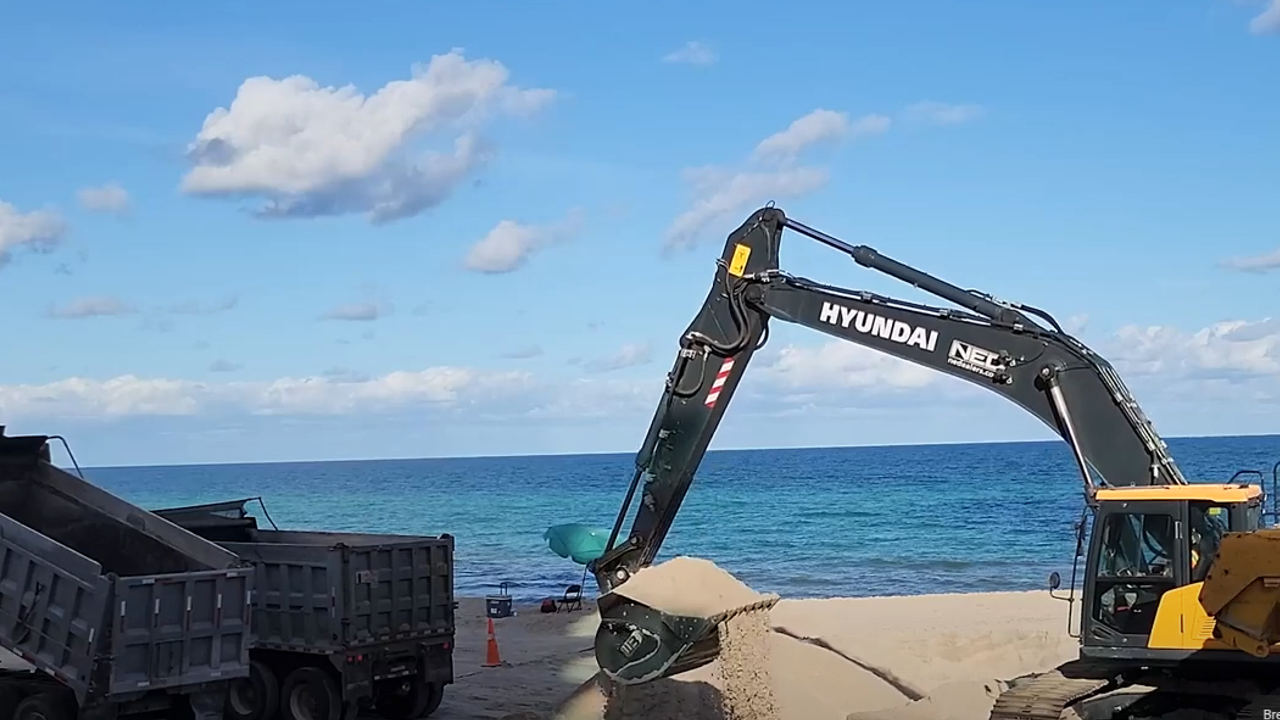
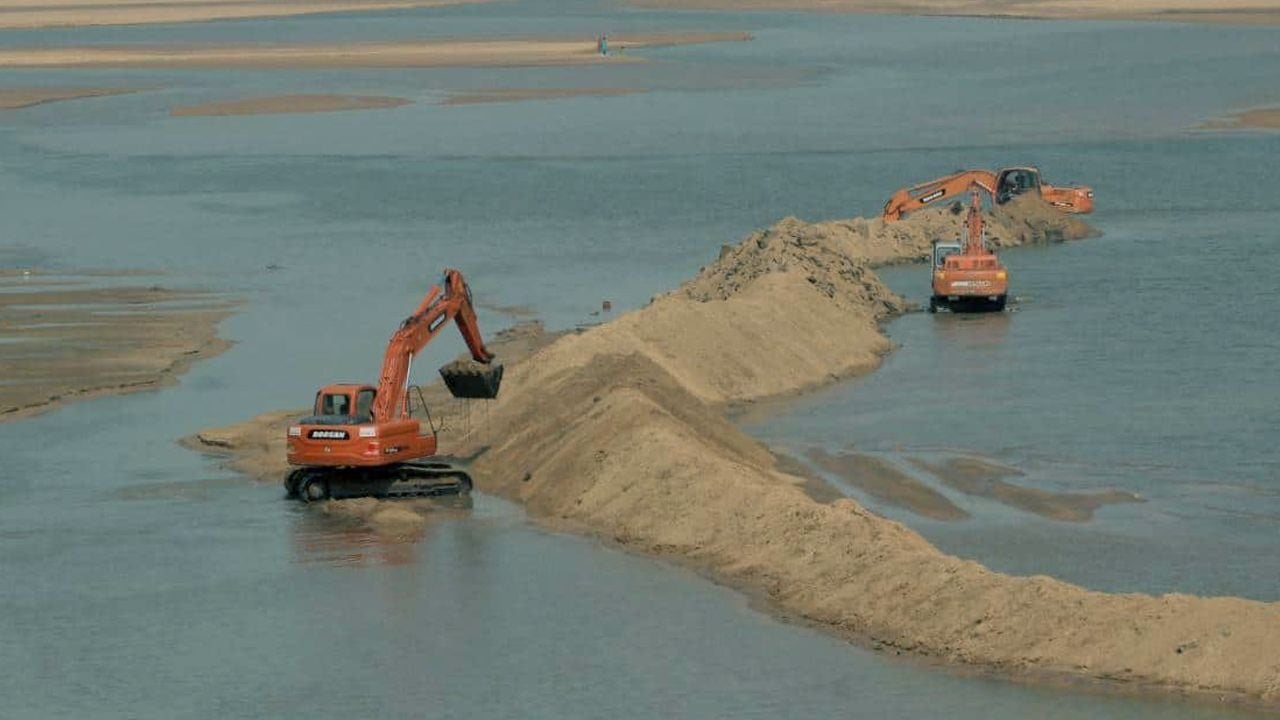
The most recent cause for alarm is the initiation of the bidding process for permission to mine in three areas under Kerala's jurisdiction. This includes the Kollam Trough (Kollam Parappu), a fish-rich area spanning 242 square kilometers. Geological Survey of India (GSI) studies have indicated the availability of 745 million cubic meters of construction-grade sand at depths of 22-50 meters off the Kerala coast. The Central Government's decision to invite Expressions of Interest (EOI) for its extraction via e-auction in November 2024 immediately sparked protests from the fishing community. Despite the Kerala government registering its dissent with the Central Government on three separate occasions, the latter appears intent on proceeding with greater haste.
Global Testimonies: Environmental and Social Consequences
The socio-environmental consequences of deep-sea mining are already evident in various parts of the world. The experience in the Philippines serves as a vital lesson. In the Cagayan region, an area ecologically similar to Kerala's backwaters and mangrove ecosystems, marine life began to deteriorate rapidly after mining commenced in 2021.
This large-scale mining operation, covering 56,000 hectares, has severely affected the livelihoods of tens of thousands of fisherfolk and aquaculturists. The area, a habitat for endangered species like dugongs, sea cows, and whales, is now being observed transforming into a 'dead sea.' Environmental degradation is anticipated, with predictions that surrounding coral reefs and seagrass meadows will soon be destroyed. The massive rock piles left behind after sand extraction pose a colossal ecological threat. Fisherfolk, deprived of their traditional fishing rights, are facing destitution, and the region's overall fish availability is in jeopardy.
Similarly, in New Zealand, deep-sea mining in the Taranaki region resulted in the destruction of coral reefs and seagrasses, negatively impacting the marine food chain. The increased turbidity of the water and noise pollution from heavy machinery affect countless marine organisms and pose risks to navigation and communication. Consequently, the current government is contemplating a review of the permissions granted.
The Way Forward: A Democratic Approach
While governments and policymakers scramble to find resources for a growing global population, the space for new ideas and projects is undeniable. However, any developmental project must prioritize a thorough assessment of its impact on the general populace and the environment.
Therefore, the new deep-sea mining policy demands a comprehensive evaluation process, including in-depth environmental and socio-economic impact assessments. The policy should not be a pretext for displacing marginalized communities from their livelihoods and habitats in the name of the 'Blue Economy.' Priority must be given to sustainable policies that safeguard the environment and marine resources while actively involving the fisherfolk in developmental activities. We must not allow Kerala's marine wealth and the livelihoods of its coastal inhabitants to be sacrificed merely for private gain.



Related News
Dont Miss it









0 comments