
Kerala
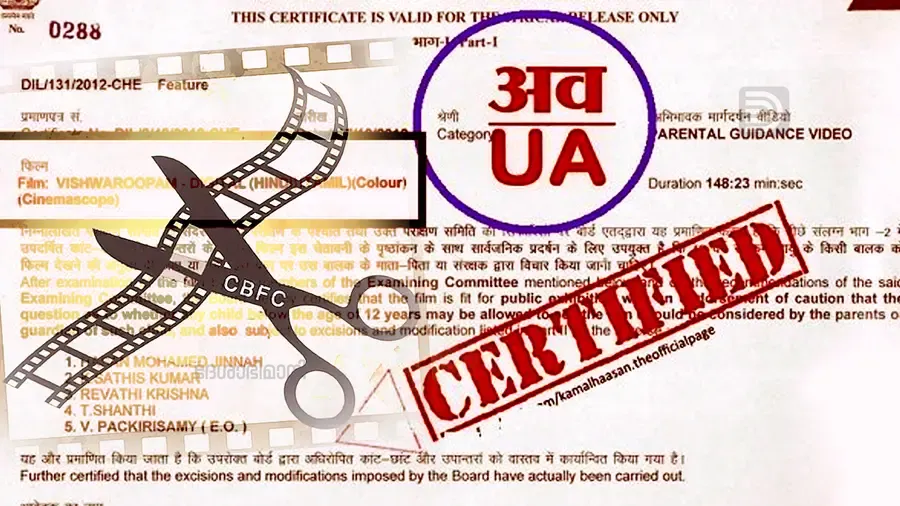
RTI Demands Central Board of Film Certification's Divine List

Web desk
Published on Jul 11, 2025, 05:09 PM | 3 min read
Kochi: A Right to Information (RTI) application filed, demanding the publication of a list of male and female deities with the Central Board of Film Certification (CBFC). The application, filed by Kerala High Court advocate and social activist Harish Vasudevan, comes in the wake of a contentious directive from the CBFC to change the title and content of the Malayalam film JSK – Janaki vs State of Kerala. The RTI seeks to expose an “arbitrary and religiously biased” censorship process that appears to privilege the sentiments of Caste Hindus over artistic freedom and narrative truth.
“If the CBFC is claiming that certain names, like ‘Janaki’, are sensitive due to their association with Hindu mythology, then the public has a right to know what other names are effectively off-limits,” he told reporters in Kochi.
The controversy comes after the CBFC’s directive to alter the film’s title and mute the name of its lead character, Janaki Vidyadharan, in specific scenes. The Board cited communal concerns, stating that the lawyer cross-examining Janaki in a courtroom scene belongs to a different religion, and the depiction could potentially disrupt “communal harmony”.
As a result, the film’s title was modified to JSK – Janaki. V vs State of Kerala, and the name “Janaki” was muted in two courtroom scenes where the character — a rape survivor — is questioned. The producers, Cosmos Entertainments, complied with the demands, informing the Kerala High Court that the changes were necessary to receive certification and proceed with the release. Justice N. Nagaresh subsequently permitted the title alteration. However, civil liberties advocates and members of the film fraternity have raised concerns staged protests against this troubling instance of communal censorship.
Critics argue that the CBFC’s reasoning reflects a pattern in recent years, where films perceived to challenge dominant religious narratives or portray cross-community dynamics are subjected to heightened scrutiny. With the BJP-led Union Government strengthening its ideological hold across cultural institutions, filmmakers and artists have increasingly found themselves navigating a shrinking space for dissent or nuance.
“This is about control over stories,” said Advocate Vasudevan. “If the Censor Board begins to treat religious identity as sacrosanct to the point of silencing fictional characters, we are entering a phase where freedom of expression is effectively hostage to political agendas.”
Several legal experts have pointed out that the Board’s mandate does not include religious policing, and such decisions risk violating constitutional protections around freedom of speech and expression.
Meanwhile, social media has seen growing support for the filmmakers and critics of the CBFC’s actions, with hashtags like #JanakiCensored and #ArtNotAgenda trending across platforms. Film unions in Kerala and Tamil Nadu are also reportedly considering joint statements condemning “religious gatekeeping” in cinema.
Interestingly, the lead role in the film is played by none other than Suresh Gopi — Kerala’s action star, who recently made history by opening the BJP’s first-ever Lok Sabha account in the state. Following his electoral win, he was appointed as a Union Cabinet Minister, making his presence in JSK – Janaki vs State of Kerala all the more politically charged.
Ironically, despite Gopi’s close ties to the ruling party, even his film hasn’t been spared the CBFC’s censorial blade — a move that exposes deep-rooted institutional rigidity or, more cynically, signals a strategic spectacle. It aligns with a broader BJP tactic of controlling the narrative while appearing to withstand critique, echoing Home Minister Amit Shah’s remark: “Jitna keechard uchhaloge, utna hi kamal khilega” (The more you sling mud, the more the lotus will bloom).



Related News
Dont Miss it








0 comments