
Trump vs. Musk: A Growing Rift as Consumer Boycotts Bite

Erin O'Brien and Justine Coneybeer, Griffith University
Published on Mar 24, 2025, 12:04 PM | 4 min read
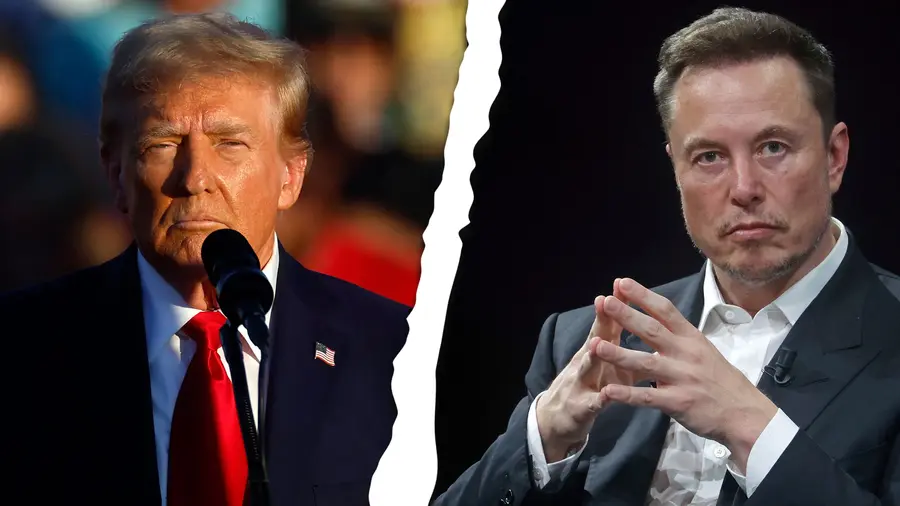
When the United States starts a trade war with your country, how do you fight back? For individuals, one option is to wage a personal trade war and boycott American products. But what happens when those boycotts target an American billionaire once considered an ally of the White House? The fallout between Donald Trump and Tesla CEO Elon Musk highlights a widening political and economic divide between government leadership and corporate America.
Trump’s Trade War Sparks Global Backlash
President Donald Trump has made it clear: No nation will be exempt from his sweeping tariffs. Australia and New Zealand, like many others, are feeling the pressure. His tariffs on steel and aluminum imports threaten Australia’s manufacturing sector, while New Zealand’s meat and wine exports could take a major hit.
Political leaders have reacted in varying ways. Canada, Mexico, and the European Union have imposed retaliatory tariffs, while Australia has chosen a more passive stance. But beyond government action, global consumers are taking matters into their own hands, launching targeted boycotts against American brands, with Tesla emerging as one of the most high-profile casualties.
Tesla Becomes a Lightning Rod for Boycotts
Elon Musk, once a high-profile figure in Trump’s business advisory council, is now at the center of consumer backlash. Many see his proximity to the administration as complicity in policies that harm global trade relations. The response has been swift: Tesla sales have plummeted—down 72% in Australia and 76% in Germany. The company’s stock price has also taken a severe hit, dropping over 50% since December 2024.
The backlash against Tesla signals a broader rejection of the influence corporate elites wield over political affairs. While Musk has previously sought to distance himself from some of Trump’s more controversial policies, his company remains an accessible target for international consumers looking to make a statement against U.S. trade aggression.
Trump Turns on Musk Amid Economic Pressure
As Tesla struggles, Trump’s response has been characteristically aggressive. Calling the boycotts against Tesla “illegal”—which they are not—Trump has attempted to frame consumer backlash as an attack on American industry rather than a response to his trade war.
Ironically, Trump has long championed consumer action over government regulation as a mechanism for corporate accountability. Now, as consumers use that very principle to reject Tesla, Trump finds himself in a precarious position. His once-ally, Musk, is increasingly seen as a liability rather than an asset, deepening the political divide between the White House and the business elite.
Consumer Power: Can Boycotts Drive Real Change?
Boycotts have historically proven to be a powerful tool for political and social change. The anti-apartheid boycotts of South Africa, Nestlé’s controversies over infant formula, and the pushback against Nike’s labor practices all illustrate how consumer action can force corporate shifts.
In Tesla’s case, the pressure is mounting. If sales and stock prices continue to tumble, Musk may be forced to publicly distance himself from Trump or even step down as CEO. This growing divide between the two highlights a key weakness in Trump’s approach: while he can control policy, he cannot control the global market’s response to it.
The Future of the Trump-Musk Relationship
As consumer boycotts gain momentum and Tesla struggles, Trump faces an uncomfortable reality: his trade war is not just hurting international allies—it is splintering his own support base. Musk’s dilemma underscores the broader tension between corporate America and Trump’s economic policies, as business leaders grapple with the fallout of his isolationist agenda.
If the boycotts persist and investor confidence in Tesla continues to erode, Musk may have no choice but to sever ties with Trump completely. In doing so, he would be sending a strong message—not just about his company’s future, but about the growing fractures within America’s political and economic leadership.
For now, Trump may refuse to listen to foreign leaders, but the mounting consumer and investor pressure could force him to reckon with an even more powerful force: the voice of the global market.
(With inputs from PTI)



Related News
Dont Miss it










0 comments