
Trump’s Gaza Peace Plan: Peace on Imperialist Terms

Anjali Ganga
Published on Sep 30, 2025, 06:49 PM | 6 min read
Washington: Donald Trump’s new plan to “end” the Gaza war comes dressed in the language of peace, aid, and reconstruction. But beneath the surface, it is a document of control, a design to neutralise Palestinian resistance and to place Gaza under foreign management.
The proposal promises hostilities will cease, hostages will return, and aid will flow in. Roads will be cleared, electricity restored, hospitals rebuilt. Yet these basic rights are offered only on condition that Gaza is stripped of its means of resistance. The call for disarmament, presented as the key to peace, ignores the root of the conflict- the long decades of occupation, siege, and aggression that gave rise to resistance in the first place.
Trump’s plan sets up a transitional authority to run Gaza, not under the leadership of its own people, but under the supervision of an international “Board of Peace” headed by Trump himself, with figures like Tony Blair at his side. Alongside this political arrangement comes an economic vision: special investment zones, foreign -led development schemes, and a Gaza rebuilt to attract global capital. In practice, this means reconstruction not for sovereignty but for dependency, a society designed from outside, while its people are expected to provide the labour.
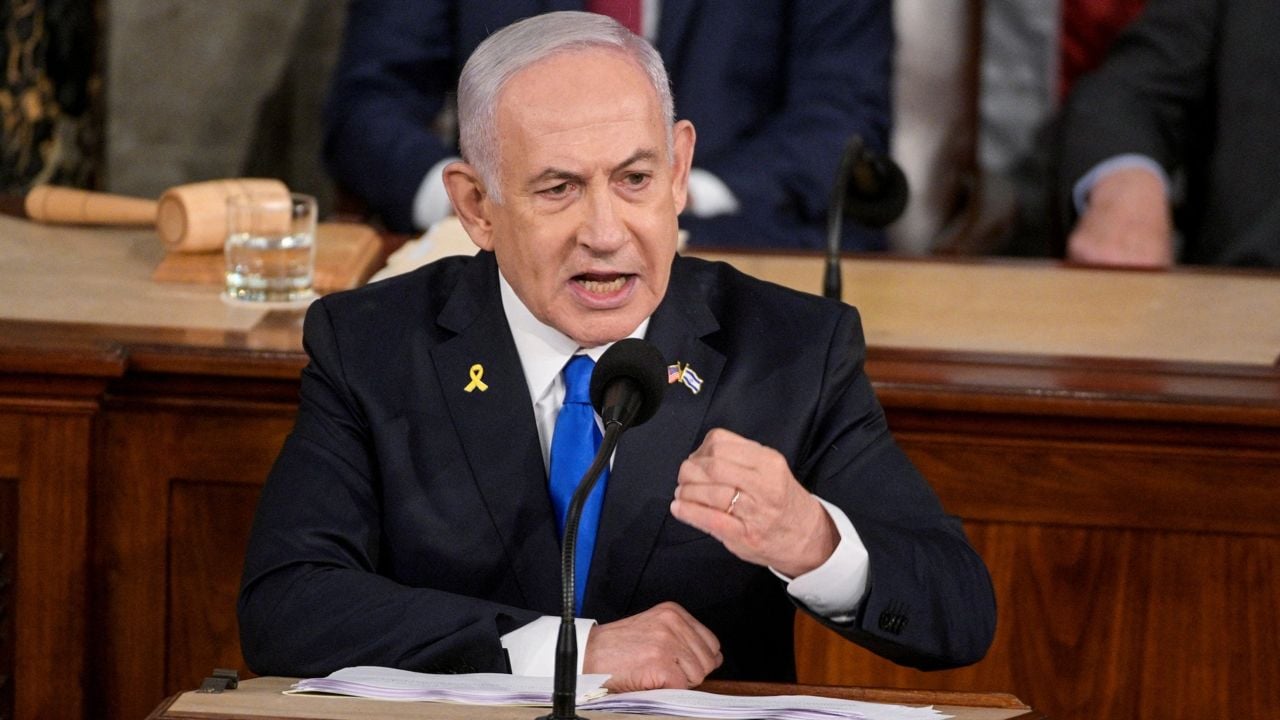
This imperial mindset has long been visible in Trump’s rhetoric. Not long ago, he circulated an AI -generated video imagining himself, Elon Musk, and Benjamin Netanyahu as rulers of Palestine, a piece of political theatre that revealed how he views the region as a stage for personal power and business expansion. His Gaza plan follows the same logic: the promise of development as a vehicle for domination, where rebuilding becomes less about the dignity of the people than about carving out new terrain for profit and prestige.
For Israel’s leadership, the plan offers what years of war have sought to secure: a Gaza where resistance is dismantled, politics is dictated by outside powers, and the population remains fragmented and subdued. For Washington, it extends its reach deeper into the region under the guise of relief. For Trump, it elevates him as architect and overseer of Gaza’s future, a role less of mediator than of governor.
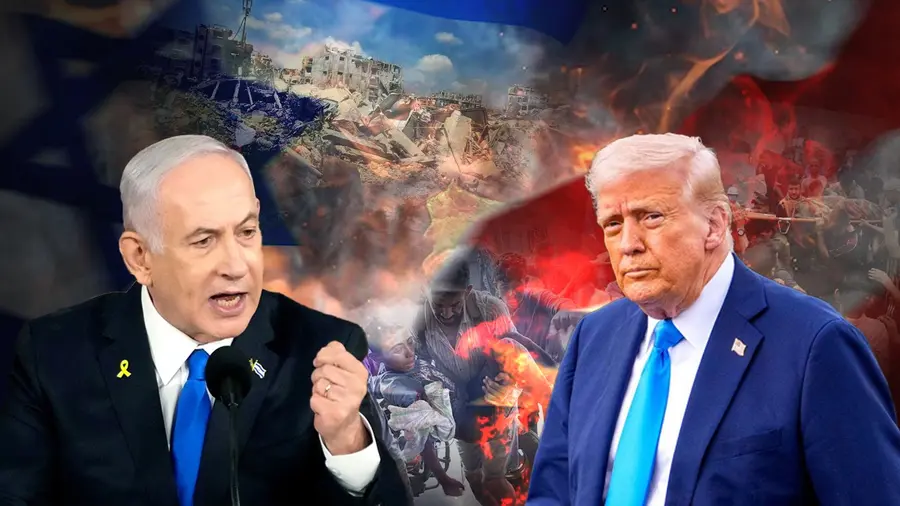
Trump imagines Gaza’s future as a reconstruction showcase, with Netanyahu at the centre, turning a devastated land into a stage for control and profit.
What is absent is the voice of Gaza’s people. Families who have endured bombardment, children who have grown up under blockade, workers who have lost homes and livelihoods, they are promised aid, but denied control. They are promised bread, but not freedom. Trump’s proposal speaks the language of peace, yet peace without dignity is no peace at all. Gaza does not need new governors or new economic schemes imposed from outside. It needs the right of its people to decide their own path, to resist subjugation, and to rebuild on their own terms.
Key Provisions of Trump’s Gaza Peace Proposal
Gaza will become a demilitarised, terror- free zone that poses no threat to its neighbours.
Reconstruction will begin with the aim of improving life for the people of Gaza, who have already endured severe hardship.
If both sides accept the plan, hostilities will cease immediately. Israeli forces will pull back to an agreed line in preparation for a hostage release. All military operations, including air and artillery strikes, will be suspended, with battle lines frozen until withdrawal conditions are fully met.
Within 72 hours of Israel’s public acceptance, all hostages — both living and deceased — will be returned.
Once the hostages are released, Israel will free 250 prisoners serving life sentences and 1,700 Gazans detained after 7 October 2023, including all women and children. For each Israeli hostage whose remains are returned, Israel will release the remains of 15 deceased Gazans.
Hamas members who agree to peaceful co-existence and surrender their weapons will receive amnesty. Those wishing to leave Gaza will be granted safe passage to countries prepared to receive them.
Humanitarian aid will immediately flow into Gaza. At minimum, aid levels will match those outlined in the January 19, 2025 agreement, including the restoration of essential infrastructure, water, electricity, sewage systems, along with hospitals, bakeries, rubble clearance and road access.
Distribution of aid will be overseen by the United Nations, the Red Crescent, and other neutral international institutions. The Rafah crossing will be opened in both directions under the same terms as the January 2025 agreement.
Governance will be placed in the hands of a temporary Palestinian technocratic committee, responsible for the daily administration of public services. This body will work under the supervision of a new international board, chaired by Donald J. Trump, with figures such as former British Prime Minister Tony Blair expected to participate. The board will direct redevelopment and funding until the Palestinian Authority completes its reform process and assumes control.
An economic plan will be launched to rebuild and energise Gaza, developed by a panel of specialists who contributed to the creation of prosperous modern cities in the Middle East. Proposals from international groups will be considered to align security and governance with investment designed to create employment and long-term opportunity.
A special economic zone will be established, offering favourable tariffs and access arrangements with participating states.
No resident will be compelled to leave Gaza. Those who wish to depart may do so freely, with the right to return. The plan aims to encourage people to remain and take part in rebuilding their community.
Hamas and allied factions will have no role in governing Gaza. All military and offensive infrastructure — tunnels, weapons factories and stockpiles — will be dismantled and destroyed under the supervision of independent monitors. Weapons will be decommissioned through an agreed process, with international funding for buy-back and reintegration schemes.
Regional partners will guarantee that Hamas and allied groups comply with these obligations, ensuring that Gaza poses no threat to its neighbours or its own population.
A temporary International Stabilisation Force (ISF), supported by Arab and international partners, will be deployed in Gaza. This force will train and assist vetted Palestinian police, with input from Jordan and Egypt. It will also help secure border areas, prevent the smuggling of munitions, and ensure the safe passage of goods.
Israel will not occupy or annex Gaza. As the ISF consolidates control, the Israel Defense Forces will withdraw in stages, based on demilitarisation milestones and agreements between the parties. A limited security perimeter will remain until Gaza is judged secure from renewed threats.
Should Hamas reject or delay acceptance, the aid programme will still proceed in areas transferred from Israeli to ISF control.
An interfaith dialogue will be launched, promoting tolerance and encouraging both Palestinians and Israelis to consider the practical gains of peace.
Once Gaza’s reconstruction progresses and the Palestinian Authority’s reforms are in place, conditions may emerge for a credible path towards Palestinian self-determination and eventual statehood — aspirations long held by the Palestinian people.
The United States will initiate talks between Israel and the Palestinians to outline a political horizon for peaceful and prosperous coexistence.



Related News
Dont Miss it









0 comments