
Trump to order plan to shut down US Education Department
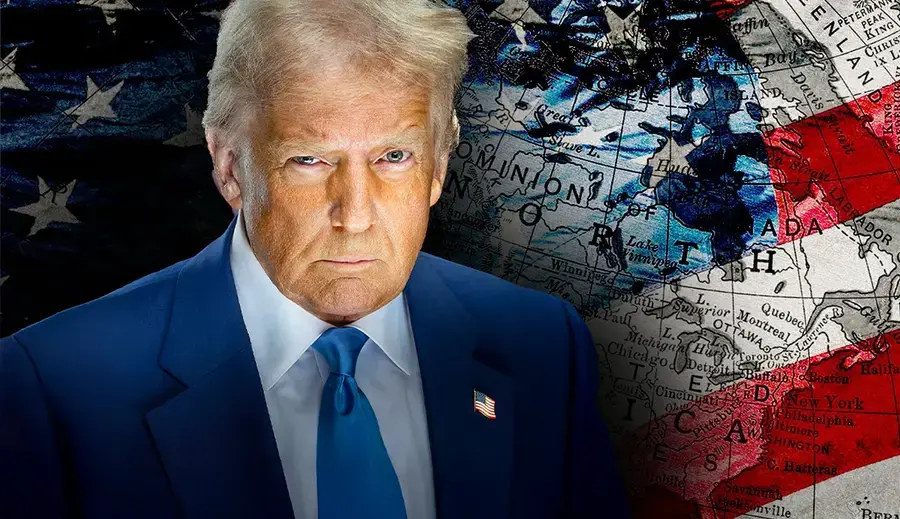
Trump

Web desk
Published on Mar 20, 2025, 11:41 AM | 3 min read
Washington: Former President Donald Trump is set to sign an executive order Thursday aimed at shutting down the US Department of Education, fulfilling a long-standing conservative objective. Trump has frequently attacked the department as wasteful and dominated by “radicals, zealots, and Marxists” who use federal authority to impose liberal ideology on schools. However, the feasibility of this move remains highly questionable, as Congress—responsible for creating the department in 1979—must approve its dissolution.
A White House fact sheet states that the order directs Education Secretary Linda McMahon to “take all necessary steps” to close the department and return education authority to the states while ensuring "uninterrupted delivery of services." However, the administration has yet to specify which department functions would be transferred, raising concerns about the potential consequences for millions of students.
Disrupting Federal Support: Who Pays the Price?
The Education Department plays a crucial role in overseeing federal student aid, enforcing civil rights protections, and supporting public schools, particularly for marginalised communities. Federal funding makes up only about 14% of K-12 school budgets, but it disproportionately supports vulnerable students through programs like Title I for low-income schools and McKinney -Vento assistance for homeless students.
Trump’s push to eliminate the department aligns with his broader attacks on what he sees as left-wing indoctrination in schools, but critics argue that this move would undermine students who rely on federal resources. The National Parents Union condemned the order, stating, "This isn't fixing education. It's making sure millions of children never get a fair shot."
Contradictions in Trump’s Use of the Education Department
Despite his calls to eliminate the agency, Trump has actively used its powers to enforce his own agenda. He has leveraged the Office for Civil Rights to investigate schools and universities over policies related to transgender athletes, diversity programs, and pro-Palestinian activism. He has also threatened to withhold federal funding from institutions that do not comply with his directives, demonstrating that he sees value in federal intervention—when it serves his priorities.
Resistance from Both Sides
Even within the Republican Party, Trump’s plan faces resistance. In 2023, when Congress considered an amendment to eliminate the department, 60 Republicans joined Democrats in opposing it. During Trump’s first term, Education Secretary Betsy DeVos attempted to restructure education funding by bundling it into block grants for states, but the plan was rejected, even by some conservatives.
Legal and Practical Barriers
The executive order is largely symbolic, as the abolition of a federal agency requires congressional approval. Even if Republicans gain control of Congress, eliminating the department would necessitate redistributing its $1.6 trillion student loan portfolio, research grants, and aid programs—an immensely complex task.
Trump’s push to dismantle the Education Department is as much about ideology as policy. His claim that the agency is controlled by “Marxists” reflects his broader culture war narrative rather than a concrete governance plan. Without a clear strategy for transferring responsibilities and ensuring continued funding for students, the move appears more symbolic than substantive. Unless Congress acts, the Education Department will remain intact, making this executive order another flashpoint in Trump’s battle against perceived liberal influence in education.
(With Inputs From AP)



Related News
Dont Miss it










0 comments