
The Nobel Prize for Maria Corina Machado: A Victory for Imperialism, Not Peace
Anjali Ganga
Published on Oct 12, 2025, 04:31 PM | 5 min read
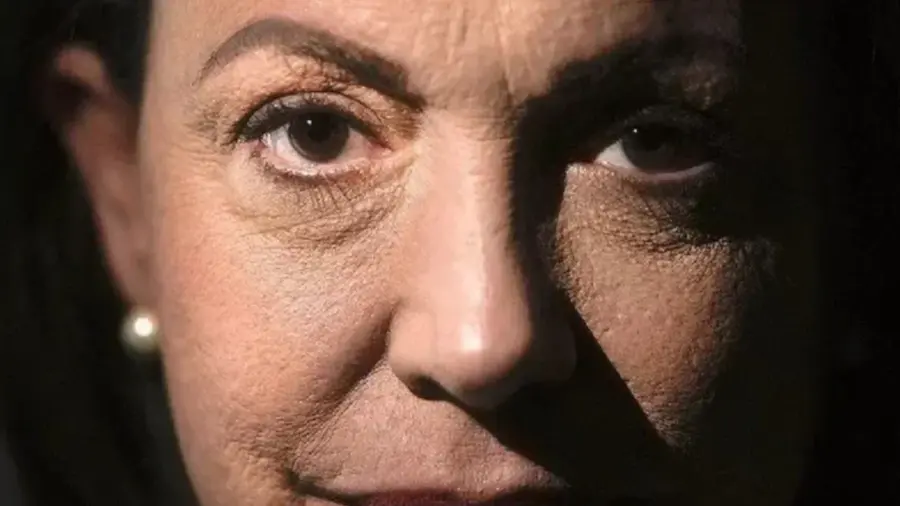
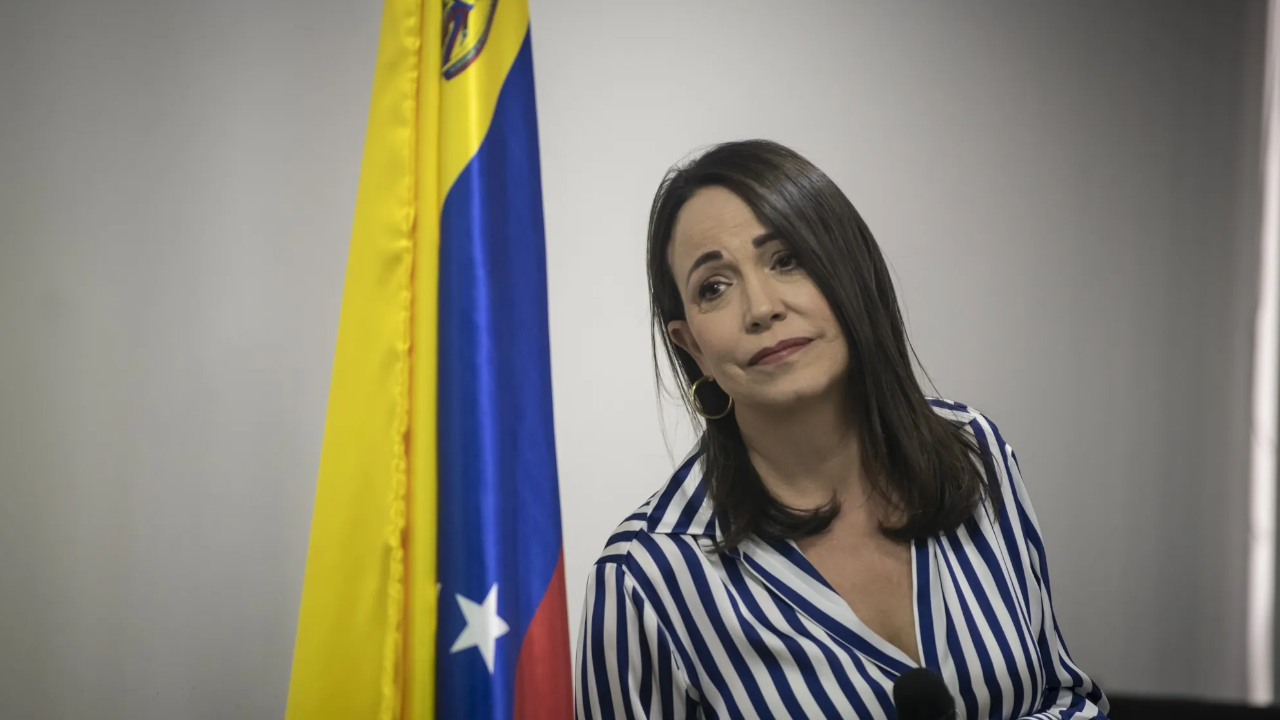
The Nobel Peace Prize for 2025, announced by the Norwegian Nobel Committee, has gone to Venezuelan opposition leader Maria Corina Machado, a figure long associated with far-right politics, pro-American alignment, and active support for Zionist and neoliberal causes. The decision, framed by Oslo as recognition of “democratic courage,” is anything but neutral. It marks another moment in the slow corrosion of the Nobel Committee’s credibility and its gradual drift into the orbit of Western power politics.
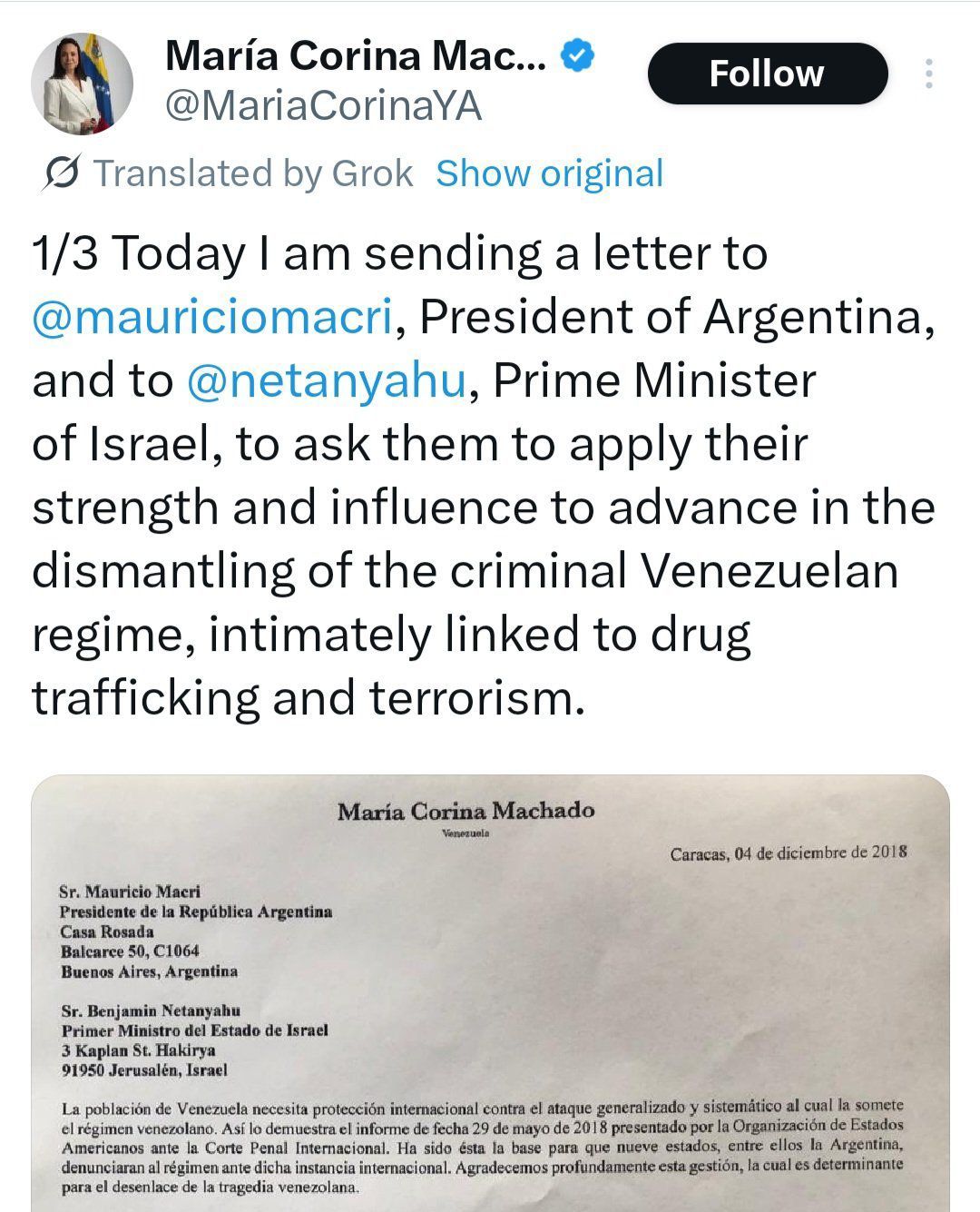
Machado’s record is not that of a peacemaker. She was among the signatories of the Carmona Decree during the 2002 coup attempt against President Hugo Chavez, a document that sought to dissolve all branches of government and suspend the constitution. In later years, she repeatedly called for foreign intervention, economic sanctions, and even military invasion against her own country. Her appeals to Washington, Tel Aviv, and right-wing governments in Latin America form a clear pattern: loyalty to the imperial order and hostility to any socialist or anti-colonial project.
That such a figure should now be sanctified as a champion of peace tells us much about what the Norwegian Nobel Committee now represents. The committee, appointed by Norway’s parliament, has increasingly turned its attention towards rewarding political actors aligned with Western geopolitical aims. Its recent history shows a steady pattern of interference dressed up as idealism, turning the Peace Prize into a soft-power instrument. To present Machado as a symbol of democracy is to legitimise the same forces that have spent two decades trying to destroy Venezuela’s democratic institutions from the outside.
For Venezuela, the political implications are immediate. The award gives the far right fresh international prestige and a new platform for fundraising, lobbying, and narrative control. Western governments and corporate media will use the Nobel to frame the Venezuelan government as authoritarian and its opposition as heroic victims. It will become harder to question Machado’s record, her association with violent protests, and her open endorsement of foreign pressure. This is not an honour for peace; it is a green light for renewed destabilisation.
The deeper motive is economic. The United States has long viewed Venezuela as an oil state that slipped from its grasp. With nearly 300 billion barrels of proven crude reserves, Venezuela holds one of the world’s largest pools of strategic energy resources. Successive US administrations have sought to regain control, whether through sanctions, coups, or asset seizures. The freezing of Venezuelan gold in the Bank of England, the takeover of Citgo, and the blockade that crippled the country’s fuel imports are all part of this campaign. When Washington speaks of democracy, it means compliance with its energy interests.
Machado’s economic vision fits this ambition perfectly. She promises to dismantle the Bolivarian model, privatise state industries, open the oil sector to foreign corporations, and align Venezuela with the same Atlantic order that has devastated much of the Global South. Her political sympathies are transparent: she has stood with the Israeli government even in its most violent moments and against the Palestinian struggle for self- determination. She openly supports US military alliances and rejects multipolar cooperation with Russia, China, or the Global South.
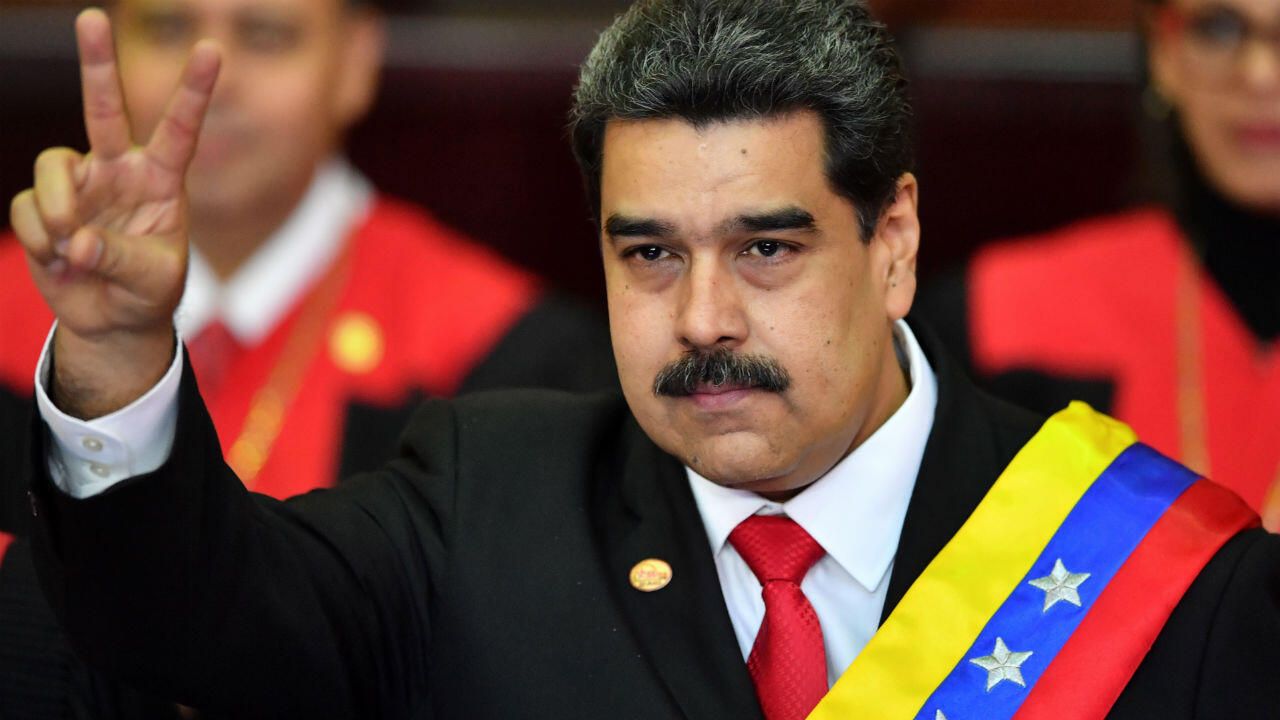
In contrast, the Bolivarian state that emerged under Chavez and continues under Maduro has centred its legitimacy on redistributive social programmes known as the missions. TeleSUR has documented these as vital lifelines for the working poor. Mission Robinson brought literacy to millions of adults; Mission Ribas and Mission Sucre expanded educational access; Barrio Adentro built a network of free community health services staffed by Cuban and Venezuelan doctors; Mission Mercal and other food initiatives provide subsidised goods to the poor; Gran Misión Vivienda Venezuela has delivered more than four million homes; and Hogares de la Patria supports families in poverty. These are people-centred programmes that embody what Venezuela calls “social power”, using oil wealth to fund health, education, and housing instead of foreign debt or private profit.
Such achievements, though imperfect, form the material foundation of Venezuelan democracy. They explain why the United States and its allies have invested so heavily in breaking the Bolivarian system. It is not socialism’s rhetoric that threatens them, but its proof that state -led redistribution can exist outside the neoliberal order. Every sanction, every attempted coup, and now every moral endorsement like this Nobel Prize is a step towards making Venezuela a satellite nation once again.
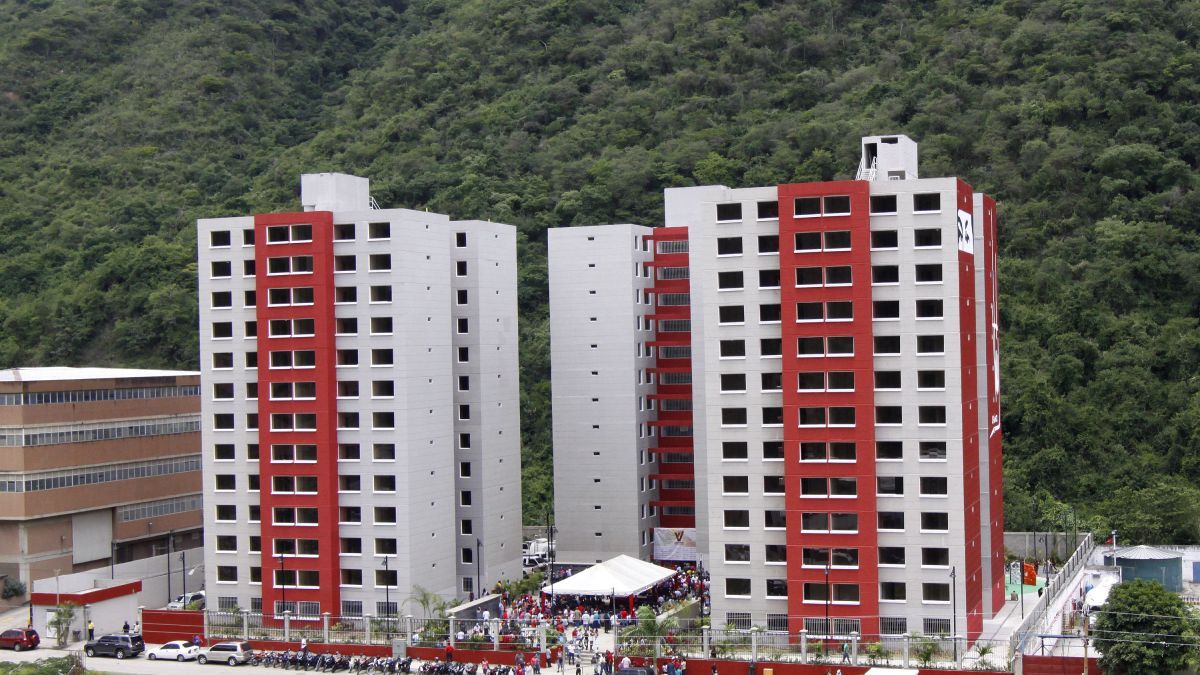 Flats built as part of the Gran Misión Vivienda Venezuela social housing initiative
The Norwegian Nobel Committee’s decision therefore cannot be separated from imperial strategy. To reward Machado is to reward a project of recolonisation, economic, political, and ideological. It is to erase the suffering caused by sanctions, to legitimise those who call for invasion, and to endorse the dismantling of a sovereign state. The prize was once meant to honour those who defied power in the name of peace; now it is given to those who invite power in the name of freedom.
What this episode reveals is not simply the moral decay of an institution, but the persistence of an imperial world order that cloaks domination in humanitarian language. Machado is not a messenger of reconciliation; she is the chosen face of an old design. And the Nobel Peace Prize, once a moral compass, has become its compass bearer.



Related News
Dont Miss it








0 comments