
Israel, Iran Launch Strikes a Week Into War as New Diplomatic Efforts Emerge

Web desk
Published on Jun 20, 2025, 06:03 PM | 4 min read
Tel Aviv: One week into their escalating war, Israel and Iran traded fresh strikes Friday, even as tentative diplomatic efforts emerged. Meanwhile, former U.S. President Donald Trump is considering direct American military involvement, a move critics warn could dangerously escalate the conflict.
Trump is reportedly weighing a strike on Iran’s heavily fortified Fordo uranium enrichment facility, which is protected deep beneath a mountain and accessible only to America’s most powerful bunker-busting bombs. Despite no clear sign of progress, he claimed there’s a “substantial chance” for renewed nuclear talks and said he would decide within two weeks.
Iranian Foreign Minister Abbas Araghchi was reportedly en route to Geneva for talks with European leaders, according to flight-tracking data. Before departing, he ruled out any negotiations while Israeli strikes continue and accused the U.S. of being complicit, pointing to Trump’s repeated use of “we” when referencing attacks on Iran.
In Washington, the UK Foreign Secretary met with US officials to explore de-escalation options. But Trump's aggressive posture and threat of military action risk undermining those diplomatic efforts before they can gain traction.
Israeli Air Campaign Intensifies
Israel confirmed Friday that it conducted extensive airstrikes overnight inside Iran, with more than 60 aircraft targeting what it described as missile manufacturing facilities. Specific locations were not disclosed, though the Israeli military said one of the targets was the headquarters of Iran's Organization of Defensive Innovation and Research (SPND), a group previously linked by the US to suspected nuclear weapons development.
"A week has passed since the operation began," Israeli military spokesperson Brig. Gen. Effie Defrin told reporters. “We are strengthening our air control in the region and advancing our air offensive. We have more sites to strike in Tehran, western Iran, and elsewhere.”
Iranian media reported that Israeli airstrikes reached the city of Rasht on the Caspian Sea early Friday.
Damage and Casualties Mount
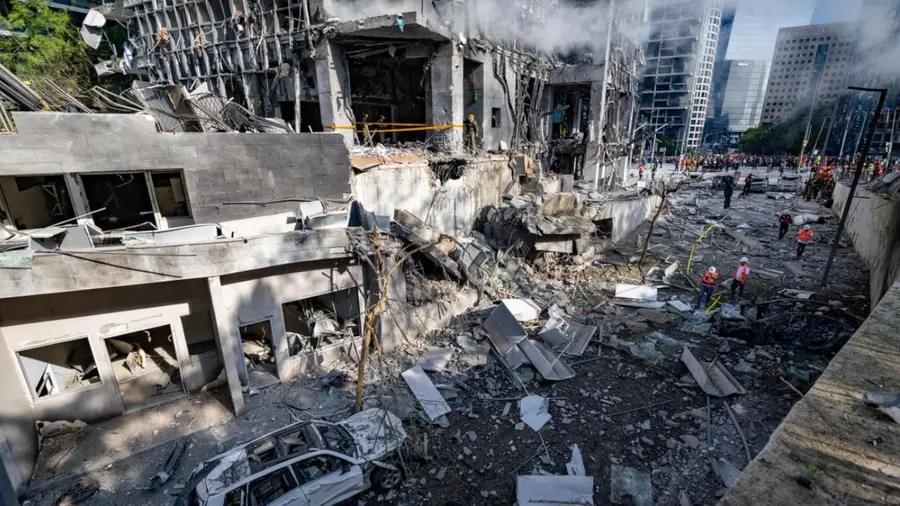
In Israel, the paramedic service Magen David Adom reported that missiles struck a residential area in the south of the country, damaging a six-story building and injuring five people with minor wounds, including bruises and smoke inhalation.
The previous day, a missile strike on Soroka Medical Center in Beersheba injured at least 80 people, including patients and medical staff. Israeli Defense Minister Israel Katz blamed Iran directly and issued a stark warning: “Our military has been instructed and knows that in order to achieve all of its goals, this man (Supreme Leader Ayatollah Ali Khamenei) absolutely should not continue to exist.”
From the scene of the hospital attack, Prime Minister Benjamin Netanyahu stated: “I trust President Trump to do what’s best for America. I can tell you that they’re already helping a lot.”
Toll of War
The war, which began on June 13 with Israeli strikes on Iranian nuclear and military targets, has left at least 657 people dead in Iran, including 263 civilians, according to a Washington-based Iranian human rights group. Over 2,000 have reportedly been wounded.
Iran has retaliated with an estimated 450 missiles and 1,000 drones launched toward Israel. While most have been intercepted by Israel’s multilayered air defense systems, at least 24 people have been killed and hundreds injured.
Israel has targeted key Iranian nuclear sites, including the Natanz enrichment facility, centrifuge production sites near Tehran, a facility in Isfahan, and what it believes are the majority of Iran’s ballistic missile launchers. The destruction of these sites appears to have contributed to a reduction in the frequency and intensity of Iranian attacks.
Iran maintains that its nuclear program is strictly for peaceful purposes. However, it remains the only non-nuclear-armed country enriching uranium to 60%, just a short step from weapons-grade levels. Israel, meanwhile, is widely believed to possess nuclear weapons but has never publicly acknowledged its arsenal.



Related News
Dont Miss it










0 comments