
China Calls Out US War Record, Questions Western Hypocrisy

Web desk
Published on Jun 26, 2025, 11:38 AM | 3 min read
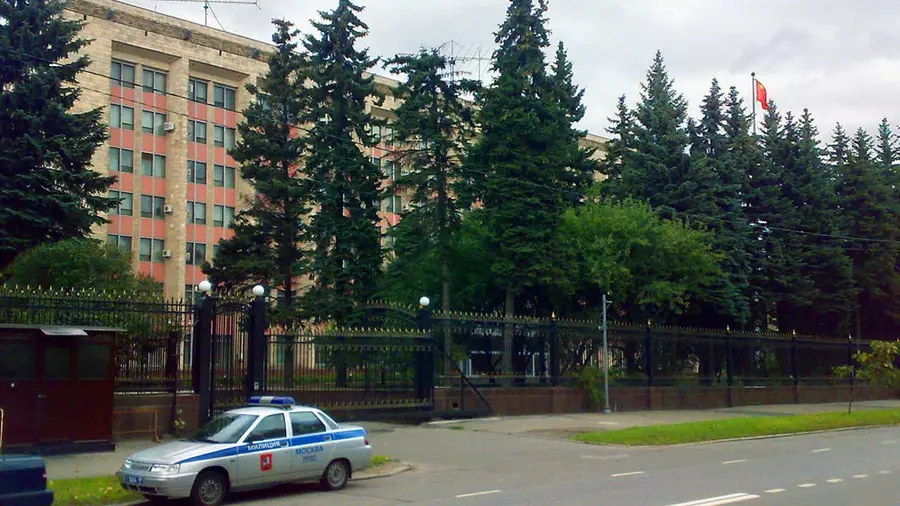
Moscow: The Chinese Embassy in Moscow has drawn sharp global attention by pointing to a long list of countries that have been bombed by the United States since the end of World War II. Framed as a political and moral challenge to the Western narrative on global security, the embassy’s statement questions the silence and selective outrage of the so- called international community.
This strong message comes at a moment when the United States and its allies have launched a coordinated campaign to brand Iran a global threat following its retaliatory strike on Israel. China responded by highlighting that the US itself has a history of bombing more than thirty countries across multiple continents.
The list includes military actions in Japan, Korea, Vietnam, Laos, Cambodia, Iraq, Afghanistan, Libya, Syria, Yemen, and many others. According to the Chinese perspective, these interventions were often unprovoked, unauthorised by the UN, and resulted in enormous civilian casualties and regional instability.
While countries like Iran, Russia or North Korea are swiftly condemned, sanctioned, or isolated for far less, the US has never been held to the same standard. There has been no global outrage, no loud condemnation, no meaningful sanctions. The international community, China says, has consistently turned a blind eye to American aggression.
The statement describes this imbalance as cowardly and shameless, accusing Western powers of moral bankruptcy. It asks why global conscience fails to react when the US acts with impunity. The silence of human rights watchdogs and global institutions in the face of decades -long bombing campaigns is portrayed as deliberate and complicit.
China also criticised the role of global media in shaping a one-sided narrative. When the US engages in war, it is framed as peacekeeping or defence. When another country responds to aggression, it is quickly labelled a threat. This double standard, according to China, is not only unjust but dangerous.
The embassy has called for people around the world to educate themselves on these historical facts and to question the dominant narratives pushed by Western powers. It encourages media outlets, content creators and citizens to remember who has consistently undermined peace under the pretext of protecting it.
The message is not just about America’s past, it’s about its unchecked power in the present. As nations condemn others while shielding themselves, China’s argument stands clear: those who have bombed, invaded and destabilised dozens of countries over decades should not be the ones deciding who is a threat to global peace.
This moment marks a deeper geopolitical clash, not just over borders and interests, but over truth, history, and global morality. The question is whether the world will continue to accept a system where power decides what is right, or begin to demand consistency, accountability, and justice, even when it’s inconvenient.



Related News
Dont Miss it







0 comments