
Health
Kerala Teen Recovers from Rare Dual Brain Infection in a Global First

Web desk
Published on Sep 03, 2025, 06:27 PM | 3 min read
Thiruvananthapuram: In a medical breakthrough, a 17-year-old boy from Kollam, Kerala has made a full recovery after being diagnosed with two extremely rare and serious brain infections simultaneously — amoebic meningoencephalitis and a fungal infection caused by Aspergillus flavus. This is reportedly the first documented case in the world where a person has survived both infections occurring together.
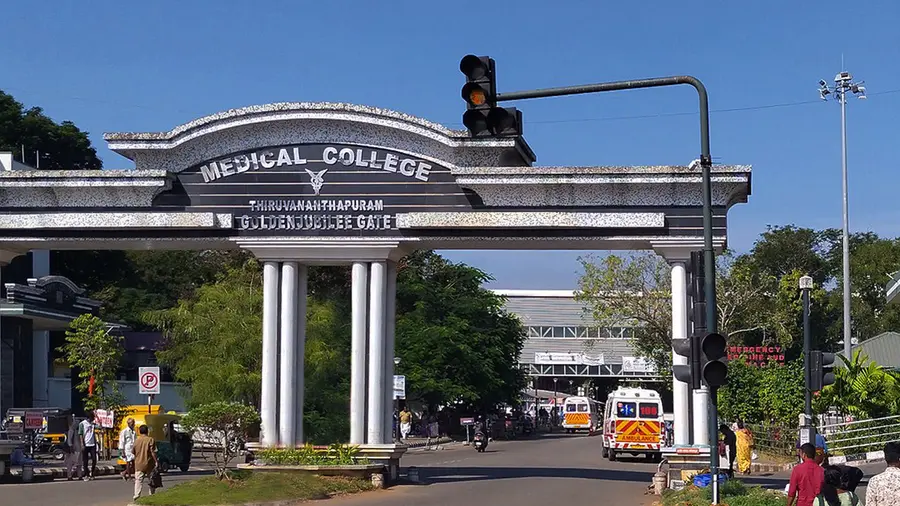
The student, a native of Sooranad in Kollam district, was under treatment for nearly three months at the Government Medical College Hospital in Thiruvananthapuram, where he was eventually discharged in full health. The successful treatment is being seen as a major medical achievement. Kerala Health Minister Veena George commended both the Thiruvananthapuram Medical College team and the doctors at Alappuzha Medical College, who made the early diagnosis.
The infection began after the boy swam in a pond. A week later, he developed symptoms of brain fever, followed by loss of consciousness and paralysis on his left side. He was initially admitted to Alappuzha Medical College Hospital, where tests revealed the presence of amoeba in his cerebrospinal fluid — a clear indicator of amoebic meningoencephalitis. Immediate treatment was started in line with state protocols, which led to some improvement in his condition.
However, his vision started to deteriorate and pressure inside the brain increased due to pus accumulation. He was then referred to the Thiruvananthapuram Medical College Hospital for advanced care.
At Thiruvananthapuram, an MRI scan revealed multiple pus-filled areas in the brain. Neurosurgeons performed an emergency surgery to remove the infected material. Though his condition initially improved, it worsened again, leading to a second surgery. This time, lab tests of the removed tissue detected the presence of Aspergillus flavus, a rare fungal pathogen.
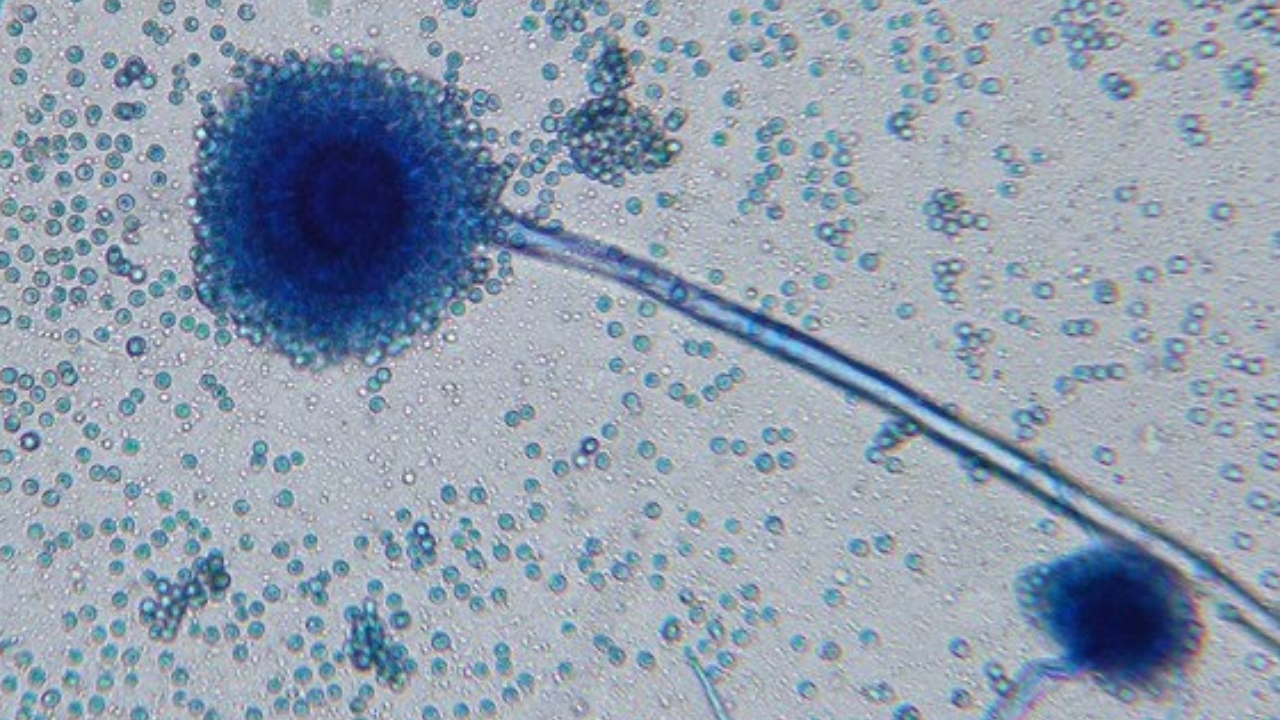
(Aspergillus flavus I Image courtesy: Thunderhouse)
Following this discovery, his treatment plan was adjusted to include targeted anti-fungal medication. After a total of one and a half months of intensive medical care, he made a complete recovery and was discharged from the hospital. Doctors say that early diagnosis and timely surgical interventions were key to his recovery.
The surgeries were led by Dr. Sunil Kumar, Superintendent and Neurosurgeon at Thiruvananthapuram Medical College, along with neurosurgeons Dr. Raj S. Chandran, Dr. Jyothish L.P., and Dr. Rajakutty. Departments of General Medicine, Infectious Diseases, and Microbiology also played critical roles.
The diagnosis at the early stage was made by a team led by Dr. Shanimol, Head of Microbiology at Alappuzha Medical College, along with contributions from the Medicine and Neurology departments.
Meningoencephalitis, a condition with a global fatality rate of 99%. So far, 86 cases of the disease have been reported in the state — 39 last year and 47 this year — with 21 deaths in total. The state has successfully brought down the death rate to around 24% through timely detection and strict adherence to treatment protocols. Even developed countries report lower survival rates for this infection. Kerala’s success is attributed to early identification and systematic medical intervention.
As part of preventive measures, the state health department, in collaboration with the Haritha Kerala Mission and other agencies, recently carried out chlorination of wells on August 30 and 31.



Related News
Dont Miss it










0 comments