
Kerala Cuts Amoebic Meningitis Death Rate from 99% to 24%

Web desk
Published on Sep 17, 2025, 05:49 PM | 5 min read
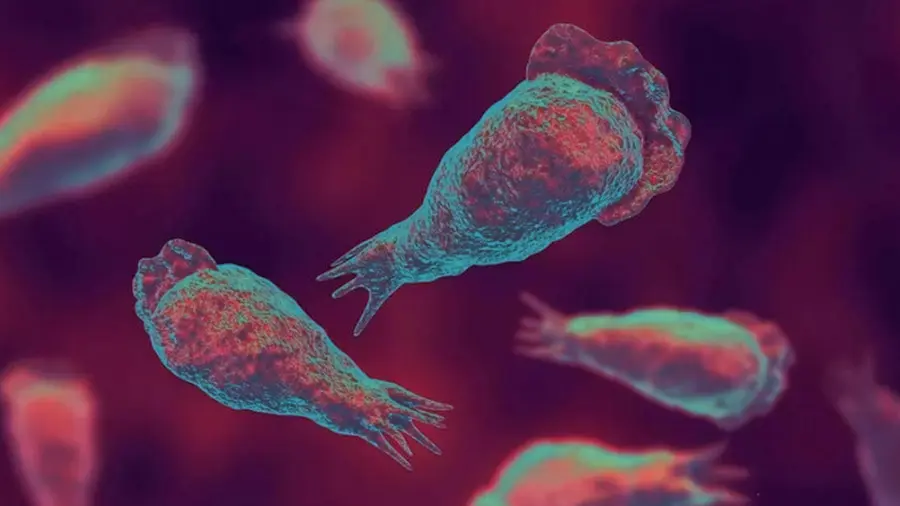
Thiruvananthapuram: The opposition in the Kerala Legislative Assembly has been relentless in its criticism, alleging that the state has failed to curb the spread of amoebic meningitis, scientifically known as Primary Amoebic Meningoencephalitis (PAM). Yet, the picture they are trying to portray is far from reality.
The truth is that Kerala today stands tall as a global model in managing this rare but deadly disease. While the fatality rate worldwide hovers around 95 to 99 percent, Kerala has succeeded in reducing the death rate to just 24 percent, an unprecedented achievement in medical history. This feat has been possible due to the efficiency of Kerala’s health sector, advanced laboratory facilities, people-centric interventions, and decisive government action.

When the first cases were reported, the state machinery moved swiftly. Chlorination drives were launched across public ponds and household water sources, ensuring that the parasite had little chance to spread through contaminated water. Door-to-door awareness campaigns ensured that every household understood both the risks and the necessity of chlorinating their water sources. The state also issued strict guidelines to minimise the chances of amoeba entering the human body.
Kerala’s health department left no stone unturned, even importing Miltefosine, a critical drug not available in India, directly from Japan to save lives. At the same time, specialists in microbiology began conducting advanced studies to better understand the mode of transmission.
On the diagnostic front, Kerala once again distinguished itself. Detection centers were quickly established in medical college microbiology labs, and the Thiruvananthapuram State Public Health Lab was equipped with advanced facilities to identify the specific amoeba species causing the infection. While most labs in India can identify only three types of amoebae, the Thiruvananthapuram facility can identify five. Kozhikode, too, was provided with facilities for primary detection. Globally, only about 30 percent of patients with amoebic meningitis receive accurate diagnosis and treatment, with many countries lacking even a single lab. Kerala, however, has ensured that the most modern system in India operates right here.
The importance of early detection was underscored in a remarkable case that has now entered medical history. For the first time in the world, a patient confirmed to have both amoebic meningitis and Aspergillus flavus infection was brought back to life in Kerala. Timely diagnosis and intensive medical care ensured the patient’s survival, an achievement no other country has recorded.
 T I Madhusoodhanan
Legislators of the ruling LDF were quick to point out these successes during the assembly debate. MLA T I Madhusoodanan highlighted how the LDF government has worked tirelessly to strengthen public health systems, in contrast to the UDF, which, he said, had weakened them by surrendering to corporate interests. He emphasised that while only five labs in India have facilities to test for this disease, Kerala possesses the most advanced among them.
The figures, too, tell their own story. During its five-year term, the UDF government allocated 20,011 crore rupees to healthcare. In sharp contrast, the LDF government has spent 51,250 crore rupees in the past four years alone. Through KIIFB, not a single assembly constituency has been left without new health infrastructure. “Kerala’s health system has succeeded in controlling infectious diseases that even developed nations failed to contain,” Madhusoodanan said.
 P Balachandran
MLA P Balachandran echoed these sentiments, pointing out that despite the severe financial constraints imposed by the central government, Kerala has carried out comprehensive and systematic measures to safeguard public health. Since 1957, successive communist governments have pursued the Kerala model of healthcare, today a globally acknowledged framework. It was this model, Balachandran noted, that enabled the state to handle not just amoebic meningitis but also earlier crises like COVID-19 and Nipah, earning recognition from the international community.
He stressed that amoebic meningitis is among the deadliest diseases known to medical science, with a global fatality rate of 99 percent. Yet, Kerala brought this number down to 24 percent, a feat possible only through people-oriented health policies. He also criticised the opposition for aligning with private hospitals “that check the purse before the pulse,” while undermining public health institutions.
Balachandran also recalled the opposition’s stance during the COVID-19 pandemic, when they had claimed that Kerala’s treatment protocols were flawed and that American practices should be adopted. KPCC leader K Muraleedharan even suggested that Kerala’s hot climate would prevent the virus from spreading. But while coffins piled up in America, Kerala successfully treated even 80- and 90 -year-old patients in community centers, sending them home healthy.

Kerala’s approach to amoebic meningitis has therefore not only saved lives but also reinforced the global reputation of the Kerala model of healthcare. By combining grassroots awareness campaigns, timely drug interventions, advanced lab facilities, and massive investment in healthcare infrastructure, the state has demonstrated how a people -centered approach can overcome even diseases that the rest of the world has largely failed to control.
At a time when the central government’s financial squeeze has forced states to struggle with shrinking budgets, Kerala has shown that political will, early intervention, and strong public systems can achieve what money alone cannot. The state’s success against amoebic meningitis is not just a local victory, it is a lesson for the world in how public health can be protected, even under immense constraints.













0 comments