
24th CPIM State Conference
Kollam: The Birthplace of the Bonus Movement
(Source: Unknown)

Anusha Paul
Published on Feb 26, 2025, 05:56 PM | 6 min read
When England—the birthplace of the labour movement—had yet to even conceive of the demand for a bonus, a small region in South India was already rising up with the slogan, "Bonus is our right!" In the heart of this ancient land, rich with a legacy of struggle, workers fiercely challenged British imperialism, demanding what was rightfully theirs. This was not just a demand; it was a class assertion, a declaration of workers' power in a land that defied the very empire that had ignited the global labour movement. It was Kollam, the land where the 24th State Party Conference of the Communist Party of India (Marxist) (CPI(M)) will soon unfold—an event rooted in the same spirit of militant struggle and unwavering commitment to workers’ rights.
This decisive movement began in the 1930s, a time when labour movements were gaining revolutionary strength across the globe. In Kollam, workers—particularly those in the cashew industry—became some of the first in India to rise up and demand a bonus from their employers. They weren’t asking for a handout; they were claiming their rightful share of the profits generated by their labour. "It is not a gift," they declared, "but what we have earned with our sweat and blood."
The workers' movement in Kollam was fueled by a fundamental demand for fair wages. The workers, acutely aware of their immense contribution to the success of the industries they toiled in, recognized that they were not even receiving fair wages. They were creating wealth, yet denied their rightful share.
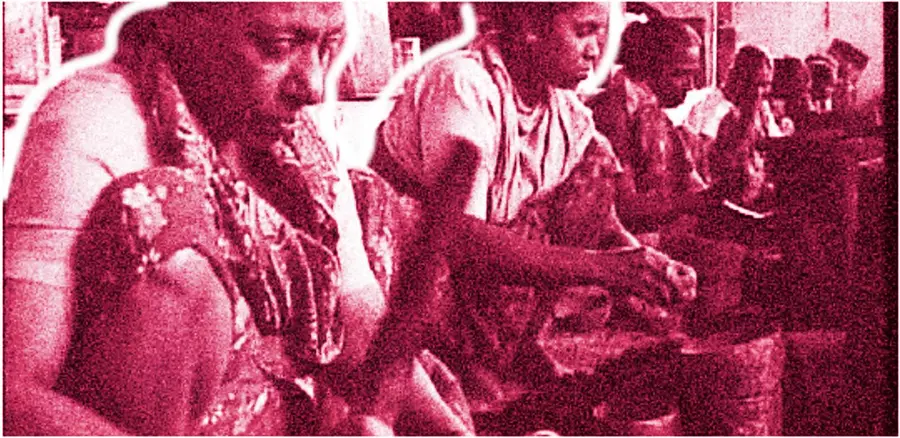
At the heart of this struggle was the cashew nut industry, the lifeblood of Kollam’s economy. It was here that the workers, predominantly women, laboured under harsh conditions with no benefits, no social security, and no recognition of the value they brought to the industry. Despite the cashew industry’s booming success, the workers were denied a fair portion of the wealth they helped generate. This glaring injustice sparked a wave of protests and strikes in other sectors as well.
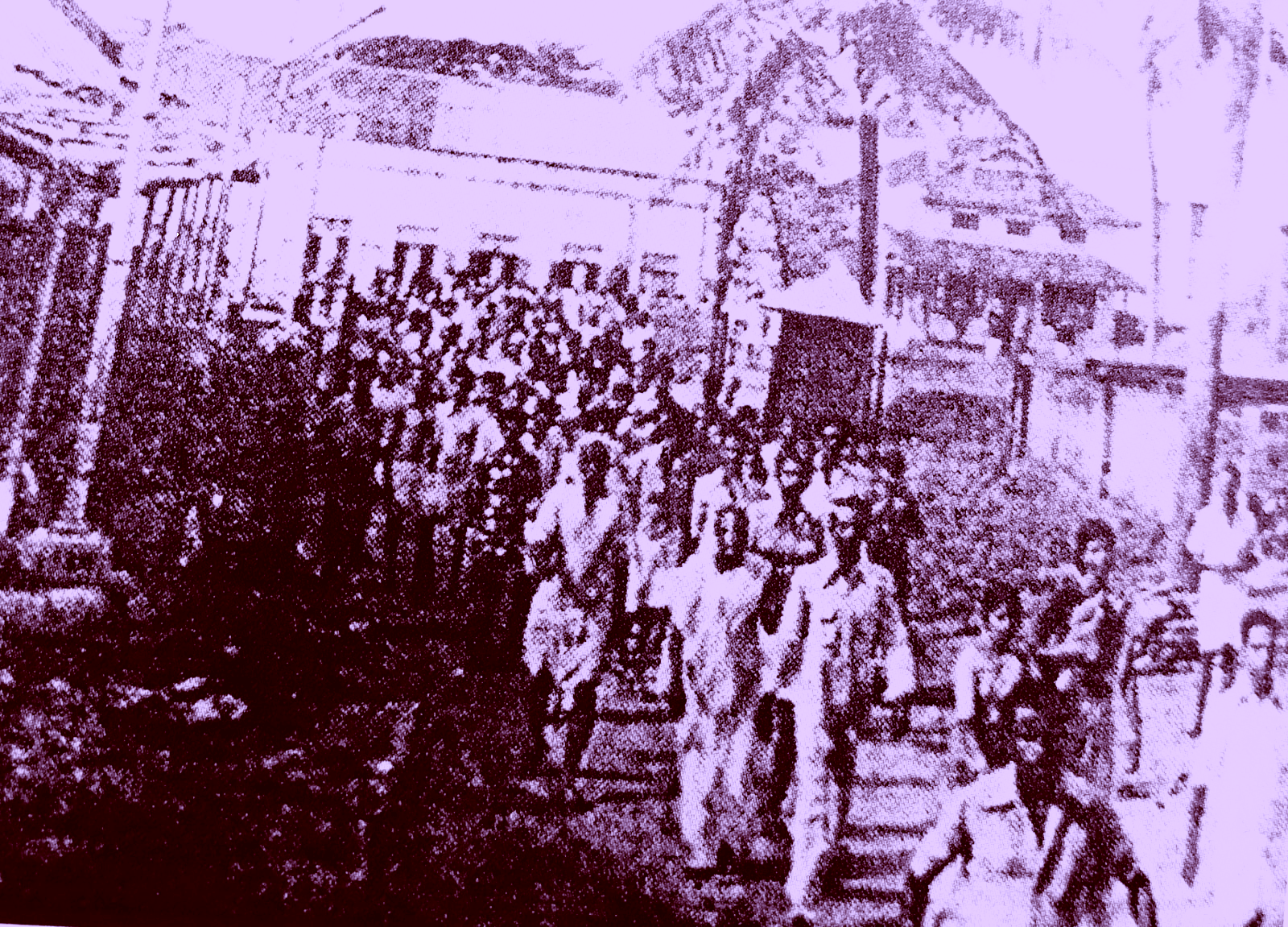
In 1942, the workers of Kollam rose in defiance, taking to the streets in a powerful demonstration of their collective strength. Workers from AD Cotton Mill and Harrison crossfield Companies declared an indefinite strike, demanding justice. Harrison, a British-owned conglomerate involved in sectors like tile, wood, printing, shipping, and engineering, epitomized the imperialist exploitation that the workers had long endured.
The harsh realities of the Second World War—food scarcity and plummeting wages—had pushed the workers to the brink. Their conditions had become unbearable, and they could no longer accept being starved while the bosses profited. The protests stretched on indefinitely as workers fought for what was rightfully theirs. Trade union leaders inspired by the socialist ideology led the charge, negotiating with the British management, demanding better wages and the long-awaited bonus.
The response from the imperialist bosses was typical: "England is the birthplace of the labour movement," they said, "and even there, we don’t give bonuses, so why should we do it here?" But the workers, unyielding and resolute, had their answer: "The people here are working on empty stomachs, and they deserve more. This is not charity; it is a right earned through our labour."
Under relentless pressure, the imperialist giants were finally forced to bow. Yet their pride remained wounded, and rather than meet the workers' demand for bonus, they offered a meager ration of rice—less than one kilogram, a paltry sum intended to silence the revolt. For seven days, they provided just 2 naazhi (400 grams) of rice each day, an insult to the workers' dignity and struggle. But in the face of this cruel attempt to pacify them, the workers saw the truth—their collective power was undeniable.
(Cotton mill protest, Source: Unknown)
In the following years, the workers' collective strength grew, and through continued struggle, they managed to increase their rice share to 9 idangazhi—9 kilograms, a clear sign of their unwavering unity and power.
However, by 1944-45, the intensifying food crisis and rice scarcity made it clear that mere rations would no longer suffice. The workers’ relentless fight for justice forced the British management to yield once again—but this time, the bonus came not in rice, but in money. The workers had shown that their dignity could not be fed with crumbs; their power would no longer be contained by imperialist chains.
In 1946, Sir CP Ramaswamy Iyer, the Diwan (Chief Administrator to the King) of Travancore, convened a tri-party meeting that marked a significant moment in the workers' struggle. A groundbreaking decision was made: all industrial workers were to receive a universal bonus, irrespective of the profit or loss of the industry. This bonus, known as Deferred Wages, was set at 4%—a step forward, though still far from what the workers truly deserved.
Two years later, on September 23, 1948, another tri-party meeting was held in Travancore, called by then-Labour Minister C. Keshavan. He reaffirmed the decision of 1946, solidifying the gains the workers had made, but still within the narrow confines set by the bourgeoisie.
As the struggle continued, the workers' demand for an annual bonus gained national attention. When Gulzari Lal Nanda became the Union Labour Minister, the workers' call for a more just and consistent bonus was taken seriously. A commission was set up with tri-party representation, tasked with reviewing the issue and submitting a report. The result of this commission’s findings was the landmark Payment of Bonus Act, passed in 1965 by the Indian Parliament.
This legislation marked a turning point, bringing nearly all industrial institutions under the legal framework that guaranteed workers a minimum of a 4% bonus. But the struggle did not end there. Over time, the workers' relentless demand for their rightful share of profits led to further revisions. The bonus, originally a paltry 4%, was gradually increased as the workers’ collective power grew, eventually reaching 8.33%.
The Payment of Bonus Act, while a victory, was a reminder that the workers' fight for justice would never be fully complete until they claimed the full fruits of their labour. With each revision and each increase, the workers demonstrated the strength of their unity and the undeniable power of their struggle for fair wages and a share of the profits they had long been denied.
The workers of Kollam were indeed the trailblazers in India’s bonus movement. Their determination and courage in fighting for their rights set the stage for the wider recognition of workers' entitlements in the country. Today, the bonus is seen not only as a financial incentive but also as a reminder of the collective strength of workers and their ability to effect change. Kollam’s role in this struggle has earned it a prominent place in India’s labour history, and the workers of Kollam are rightfully celebrated as the pioneers of the bonus system in the country.
This is the second part of a series that will explore these remarkable stories of Kollam leading up to the conference. Stay tuned as we delve into these transformative struggles that shaped the land and its legacy.



Related News
Dont Miss it







0 comments